
-
Cart{{item.productEditView.product.productName}} ${{item.productEditView.product.price3}} x {{item.quantity}} Your shopping cart is empty!
| {{item.productEditView.product.productName}} | ${{item.productEditView.product.price3}} x {{item.quantity}} |
07/Dec/2025
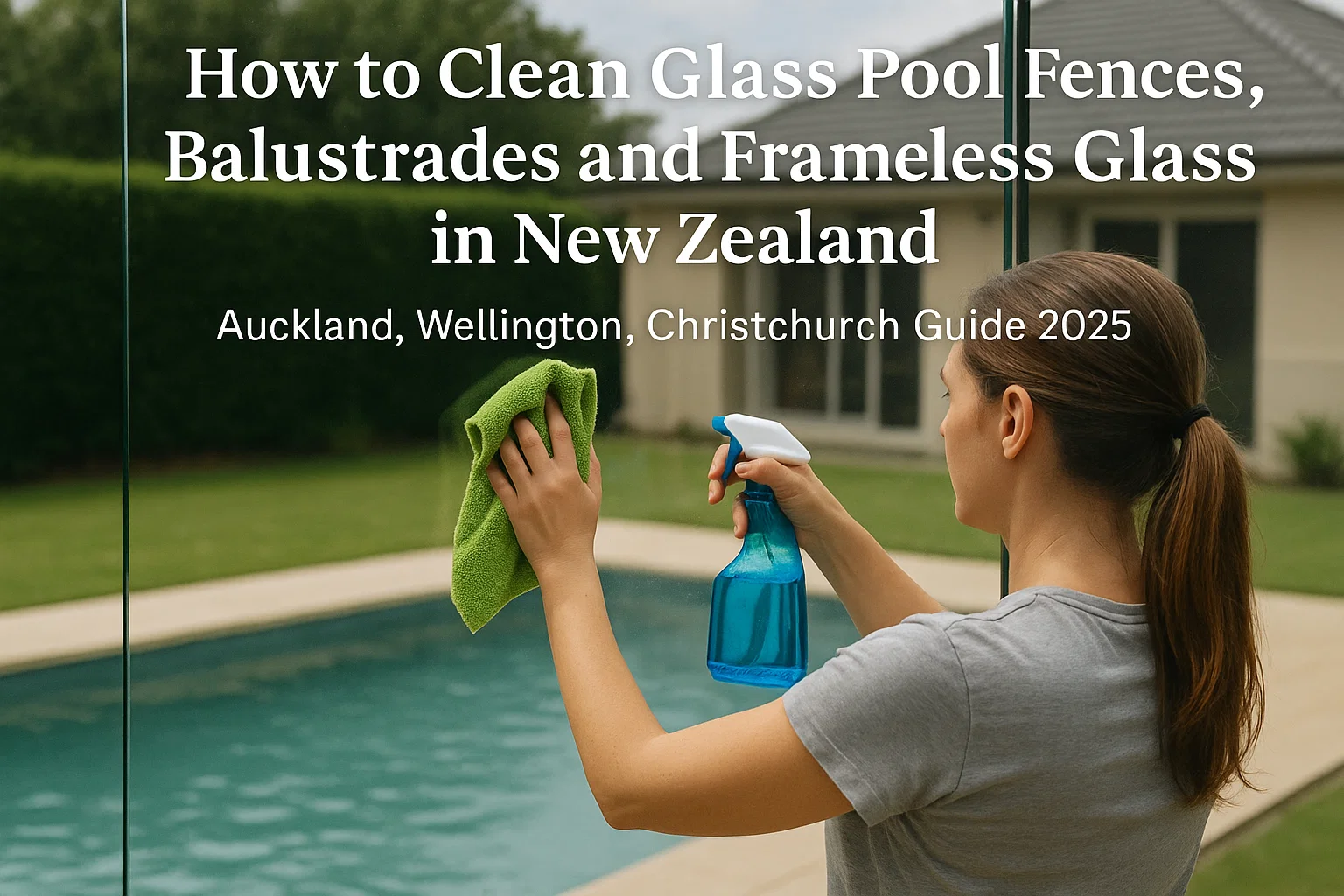
New Zealand glass pool fencing, glass balustrade systems and frameless shower glass panels are designed for long term transparency, durability and weather resistance; however, all frameless glass systems require routine cleaning and stainless hardware maintenance to stay clear over time. In this extensive New Zealand cleaning guide, you will learn how to clean glass pool fencing exposed to chlorine, salt, sunscreen and coastal rain; how to clean a glass balustrade installed in windy Wellington weather conditions; and how to complete frameless glass shower cleaning after everyday New Zealand water exposure. This comprehensive cleaning and maintenance article targets residential homeowners, commercial building owners and glass installation contractors who need reliable step-by-step cleaning methods and long-term glass maintenance scheduling.
Glass pool fences in New Zealand are constantly exposed to swimming pool chemicals, sunscreen residue, airborne dust and salt particles drifting from coastal regions such as Auckland’s North Shore, Wellington Harbour or Christchurch coastal zones. Without routine cleaning, these contaminants attach to glass surfaces and stainless-steel clamps, causing cloudiness, spotting and corrosion. While premium glass pool fencing is engineered for durability, frameless glass cleaning is required because the New Zealand climate exposes panels to variable conditions such as UV, humidity, sea spray and strong regional winds.
Most Auckland glass pool fencing installations located near the coast require frequent rinsing because Auckland coastal winds carry salt particles. Wellington’s well-known wind exposure accelerates airborne dust and water spotting, making regular cleaning essential for glass balustrades installed on balconies or apartment decks. Christchurch coastal suburbs experience corrosive salt exposure and cold seasonal moisture accumulation that can settle on glass and hardware, making long-term cleaning routines particularly important for homeowners and landlords.
For homeowners wondering how often to clean glass pool fencing or how often to clean exterior glass balustrade installations, the answer depends on New Zealand location, pool activity, installation height and local environmental exposure. Residential pool areas with high use and frequent swimming activity require routine rinsing because chlorine particles land directly on exterior frameless glass panels. If sunscreen oils splash onto the panels during summer in Auckland, or salt spray attaches to glass balustrade surfaces in Christchurch, cleaning frequency increases.
Homeowners located inland or in areas with minimal wind exposure may reduce their routine cleaning schedule, but a monthly inspection is still recommended. Regular cleaning prevents long-term residue accumulation, mineral marks, corrosion and bracket staining. Even if your New Zealand glass pool fence appears visually clean, invisible moisture minerals can attach to glass coatings, slowly forming permanent marks.
When cleaning frameless glass, the most important rule is avoiding abrasive cleaning pads and chemical acids that damage protective glass coatings or scratch stainless hardware. Successful cleaning begins with simple, non-abrasive products designed for architectural glass. Many New Zealand homeowners use dish soap and clean water for routine cleaning, followed by a microfiber dry wipe to prevent streaking. Vinegar-based cleaning helps break down minerals found in New Zealand water and chlorine residue from Auckland and Wellington pool installations.
Avoid anything that could scratch the glass including steel wool, scouring pads and abrasive scrubbing surfaces. These products destroy clarity and permanently damage frameless visibility. The best method is gentle cleaning followed by immediate drying, especially for glass balustrade Wellington installations facing strong wind carrying dust and moisture.
After swimming, chlorine water droplets frequently land on glass panels around pool areas. If left uncleaned, these chlorine droplets evaporate and leave chalky white streaks or mineral deposits visible on glass surfaces. This is especially common in glass pool fencing Auckland installations, where outdoor living spaces often include extended pool usage during summer. The simplest method is rinsing with clean water after each swim session, followed by drying with soft microfiber cloths.
You may explore New Zealand compliant glass pool fencing options here: glass pool fencing
Cleaning outdoor glass balustrades can be more challenging than cleaning indoor frameless shower screens because outdoor balustrade panels are directly exposed to wind, airborne dust, coastal salt moisture and UV weathering. In New Zealand cities such as Auckland, tall apartment balconies may experience heavy salt spray carried inland from the Hauraki Gulf and North Shore coastline; in Wellington, inland wind patterns deposit dust and moisture droplets onto glass balustrade surfaces; and in Christchurch, cold southern air drives fast salt accumulation on exposed outdoor glazing. Because of these unique climate differences, glass balustrade cleaning frequency must be adapted to local weather patterns.
For outdoor balustrade areas exposed to heavy sea breeze such as coastal Auckland suburbs including Takapuna, Mission Bay, Torbay and Browns Bay, rinsing with fresh water at least every two weeks is strongly recommended. Wellington hillside suburbs such as Mount Victoria, Karori and Brooklyn are known for strong winds that deliver airborne minerals; therefore, frameless glass cleaning is important for preventing long-term staining. Christchurch east coastal districts including Sumner, Redcliffs and Southshore frequently require corrosion prevention cleaning due to salt-rich airflow that settles on stainless steel clamps and spigots.
Frameless glass balustrade panels should be cleaned with gentle circular motions instead of aggressive scrubbing, because aggressive scrubbing increases risk of micro-abrasion. If you are cleaning glass balustrade Wellington apartments exposed to storm winds, drying promptly reduces streaking because wind deposits dust on wet surfaces extremely quickly. Auckland and Christchurch balcony installations require even more drying if the balustrade receives coastal misting overnight.
Almost every New Zealand frameless glass installation uses stainless steel hardware including hinges, clamps, brackets, mini posts and spigots. These hardware components secure glass to concrete pads, timber framing or commercial building structures. Because these fittings are exposed to sea spray, pool chemical vapour and shower moisture, stainless maintenance is necessary to prevent long-term corrosion. Coastal hardware cleaning involves regular rinsing, wiping, drying and checking for surface oxidation.
While stainless steel is known for corrosion resistance, salt nanoparticles gradually settle into micro-pores on exposed metal surfaces. Over time, these particles cause discoloration and eventually pitting corrosion. Auckland coastal homes are particularly exposed due to sea salt moisture; Wellington high-wind locations accumulate airborne minerals; and Christchurch coastal suburbs experience long periods of moisture-rich cold coastal air. These combined conditions increase the importance of frequent stainless maintenance and frameless glass cleaning routines.
Cleaning frameless shower screens requires a different approach from outdoor glass pool fence cleaning. Indoor showers are exposed to soap residue, calcium deposits from New Zealand hard water, shampoo chemicals, conditioner oils and moisture condensation. These substances attach to the frameless glass surface and require quick removal to prevent etching. Because showers are used daily, frameless shower cleaning should be part of everyday bathroom routines, not monthly cleaning cycles.
Frameless glass shower doors near Auckland and Wellington may show higher water-spot buildup due to varied water mineral content. Christchurch regions known for water hardness may require more frequent vinegar cleaning due to calcium residue commonly observed on older frameless shower installations.
The New Zealand environment is extremely diverse, which is why cleaning routines change based on regional climate exposure. Auckland coastal humidity, Wellington wind and Christchurch ocean air all generate unique cleaning conditions. Along the Auckland shoreline, salt minerals land directly on pool fencing glass, so maintenance frequency increases compared with inland suburbs. In windy Wellington, airborne dust lands on glass balustrade surfaces faster than in sheltered locations. Christchurch coastal districts experience heavy sea breeze containing salt fragments that attach to stainless steel clamps, so hardware polishing and rinsing are required regularly.
Even rainwater can cause marking because rain contains minerals, industrial residues and natural particulates that dry on the glass surface. For this reason, many Auckland coastal homeowners clean glass pool fencing after heavy rainfall. Similarly, Wellington apartment owners wipe outdoor balustrade panels after storms. Christchurch homeowners often rinse glass after windy weather that pushes ocean spray directly onto balconies.
These location-specific cleaning intervals ensure that frameless glass cleaning remains proactive rather than reactive. By cleaning glass early, staining is prevented before it sets permanently, dramatically increasing the lifespan of glass pool fencing, glass balustrade systems and frameless shower installations in New Zealand.
Modern New Zealand swimming pools use chlorine or saltwater chlorination. Both systems generate chemical particles that can settle on glass pool fencing. Even natural saltwater pools deposit crystals that must be removed. In Auckland residential pool areas, sunscreen oils combined with chlorinated splash marks frequently land on glass pool fences. In Wellington, chlorine droplets carried by wind settle quickly onto frameless panels. Christchurch pool areas exposed to cooler air may show slower evaporation, meaning chlorine residue sits longer on the glass surface before drying, increasing streak visibility.
Routine rinsing removes chlorine chemicals and prevents etching of stainless steel hardware including hinges, clamps and glass balustrade spigots. Without rinsing, discolouration gradually develops, especially near pool ladders or splash zones where chemical droplets repeatedly contact the same frameless glass areas.
View corrosion-resistant hinge systems here: glass gate system
New Zealand coastal regions produce high levels of airborne salt, meaning stainless components used in frameless glass systems eventually experience surface oxidation. To prevent corrosion, regular stainless polishing and cleaning is essential for glass pool fencing Auckland installations exposed to coastal spray. Wellington hillside districts facing constant wind require frequent stainless cleaning because airborne minerals land on hardware surfaces. Christchurch oceanfront suburbs require cleaning due to extended cold moisture that rests on stainless hardware overnight and accelerates micro corrosion.
While stainless steel hardware is durable, long-term exposure without maintenance leads to visible discoloration, pitting and hardware weakening. Professional stainless polishing products designed for marine use help protect hardware from harsh environmental conditions across New Zealand coastal areas.
Because New Zealand experiences dramatic seasonal weather changes, cleaning schedules for glass pool fencing and outdoor balustrade installations should adjust throughout the year. Auckland summer seasons require more frequent cleaning due to sunscreen and heavy pool usage, while winter periods may require fewer deep cleans but more preventative moisture checks. Wellington autumn storms create dusty moisture conditions requiring fast drying. Christchurch spring weather produces sea mist that attaches quickly to frameless glass surfaces.
Because Auckland experiences extended warm periods, glass pool fences in Auckland coastal suburbs require weekly rinsing through summer. Wellington’s changing seasonal wind patterns bring airborne particles that attach to glass balustrades installed on elevated decks. Christchurch coastal suburbs may require consistent stainless cleaning even during cooler seasons due to sea spray carried inland by southern airflows.
Residential glass pool fencing requires simple cleaning schedules tailored to household pool usage. Commercial buildings, apartment complexes, retirement villages and hospitality facilities require stricter cleaning management because glass balustrades and frameless glass installations receive higher environmental exposure and require compliance with commercial building standards. Commercial settings may require weekly inspections of stainless hardware, adjustment of glass gate hinges and quarterly corrosion checks for outdoor stainless components.
Commercial coastal Christchurch properties require consistent professional inspection of clamps and spigots as part of long-term building asset management. Coastal Auckland restaurants with outdoor balconies require regular glass polishing to maintain visibility for outdoor dining. Wellington high-rise apartments require routine dust cleaning due to elevated wind exposure, especially on glass balustrade edge installations.
If older glass balustrade installations show visible cloudiness, professional restoration can remove marks, oxidation and mineral residue. Abrasive polishing compounds specifically designed for architectural glass can reduce staining and restore clarity. Heavily marked installations in Auckland coastal districts, Wellington wind-exposed locations or Christchurch beachfront suburbs may require professional service due to deep mineral accumulation inside the glass coating.
DIY restoration is possible if the damage is limited to surface marks; however, severe marks may require polishing tools or professional resurfacing. If your glass balustrade hardware is corroded, stainless replacement may be necessary. Regular cleaning prevents these long-term restoration costs and preserves investment value in frameless glass installations.
If your installation requires hinge adjustment, clamp replacement or complete stainless recovery, contacting a New Zealand glass specialist ensures your frameless glass system remains safe, structurally secure and compliant with building requirements. Professional installers evaluate stainless hardware, identify corrosion risk and recommend hardware upgrades or replacements. Consult local New Zealand glass specialists for detailed inspections, especially for coastal installs across Auckland, Wellington and Christchurch suburbs.
Talk to specialists here: contact
Homeowners who invest in glass pool fencing and glass balustrade installations expect long-term clarity and professional presentation. With consistent cleaning, rinsing and stainless maintenance, frameless glass systems remain visually attractive for decades. The most effective long-term strategy includes location-specific cleaning routines, seasonal scheduling and corrosion prevention protocols based on local environmental conditions across New Zealand coastal regions.
The combination of proactive cleaning, stainless protection and regular inspections ensures that New Zealand frameless glass systems remain modern, secure and visually appealing. Residential homes, commercial buildings and coastal properties benefit from long-term maintenance strategies that protect against aggressive New Zealand coastal weather patterns.
Cleaning glass pool fences, cleaning exterior glass balustrades and completing frameless glass cleaning routines are essential for long-term clarity, stainless protection and corrosion prevention across New Zealand. Auckland coastal homes require frequent rinsing to remove sea spray; Wellington elevated properties require cleaning to remove airborne dust; and Christchurch beach suburbs require anti-corrosion cleaning due to constant salt exposure. With proper location-specific cleaning, frameless glass installations remain premium, modern and durable throughout their service life.
Explore New Zealand pool glass options here: glass pool fencing
Explore compliant hinge systems here: glass gate system
Talk with professionals here: contact
07/Dec/2025
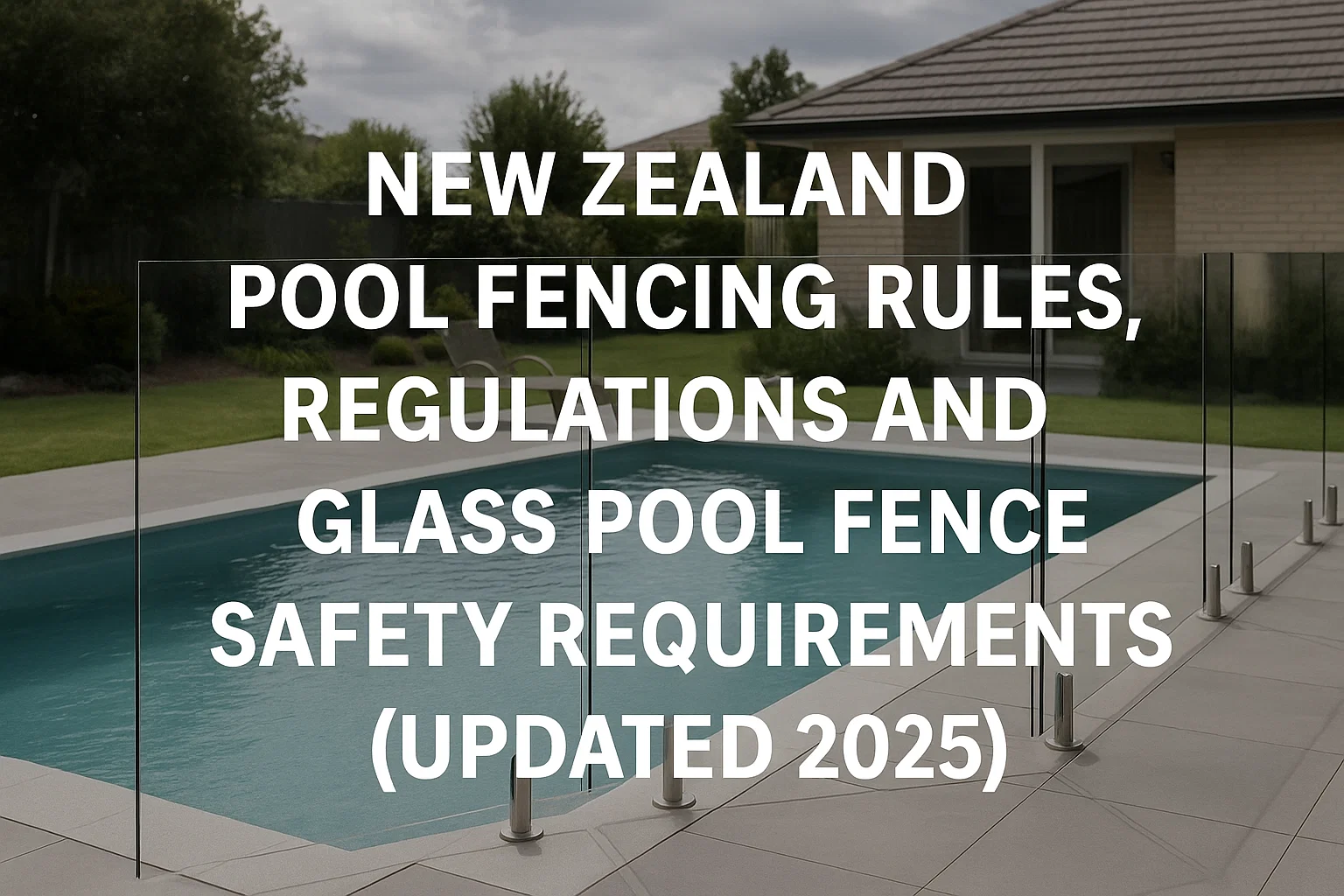
If you own a swimming pool in New Zealand, it is essential to understand the latest New Zealand pool fencing rules and NZ pool fencing regulations to maintain legal compliance and ensure safety around residential swimming pools. All New Zealand residential pools deeper than 400mm require a compliant pool fence and pool gate system that satisfies NZ pool fencing rules under the Building (Pools) Amendment Act. These regulations apply to residential pools, spa pools, portable pools and inflatable pools that exceed the depth threshold. Many homeowners use glass pool fencing because modern glass systems provide strong safety performance and good long term durability, especially in coastal areas of New Zealand.
The primary purpose of New Zealand pool fencing regulations is to prevent accidental drowning incidents, especially involving young children under five. NZ pool fencing rules aim to ensure every pool has a physical barrier, preventing children entering the pool area without adult supervision. The Building (Pools) Amendment Act establishes minimum pool fence requirements and defines obligations for pool owners. Council inspectors in New Zealand conduct regular inspections to confirm pool fences, pool gate latches, self closing hinges and vertical panel spacing meet New Zealand pool safety standards.
NZ pool fencing rules require that pool fences, pool gates and access doors operate correctly at all times. Even minor non compliance such as a low latch height or non closing gate can result in failed inspection notices and potential fines. Professional glass pool fencing installation and certified hardware help ensure long term compliance with New Zealand pool fence legislation.
According to NZ pool fencing standards, the minimum legal pool fence height NZ is 1200mm measured from finished ground level. Gaps under the pool fence must be less than 100mm and vertical gaps between panels must also be less than 100mm. NZ pool fencing rules further require that no climbable structures exist within 1200mm outside the pool perimeter. These climb prevention rules apply to trees, furniture, planters, retaining walls, sculptures and all other structures that help a child climb over a pool barrier.
Modern glass pool fencing achieves excellent compliance with New Zealand pool safety standards while allowing maximum visibility and modern architectural design. You can explore locally supplied systems here: glass pool fencing
New Zealand pool gate rules require:
These NZ pool gate regulations ensure that a child cannot operate the latch or push the gate open into the pool area. In most cases, premium glass pool gate systems with certified hardware provide reliable long term performance that satisfies these NZ pool fencing requirements. You can compare gate hinges and latch systems here: glass gate system
Homeowners across New Zealand increasingly select glass pool fencing because glass systems satisfy New Zealand pool fence compliance requirements and offer far greater visibility around the swimming pool. Many coastal homes in Auckland, Tauranga, Wellington and Christchurch prefer glass pool fencing due to corrosion resistance and weather durability in New Zealand’s coastal climate.
Glass pool fencing enhances pool safety in New Zealand because clear glass panels allow parents to maintain full visual supervision without compromising design style or architectural appearance.
Local councils in New Zealand conduct pool safety inspections every three years to verify pool fencing compliance, correct gate operation and pool fence height NZ requirements. The most common causes of inspection failure include:
If your pool fencing fails an inspection, New Zealand councils will issue a notice requiring corrective action. Modern frameless glass pool fencing and stainless steel hardware often provide the most reliable long term compliance with NZ pool fencing rules.
All new swimming pools must meet NZ pool fencing requirements before the pool can legally be filled with water. New Zealand councils must approve pool fence design, pool gate compliance, glass thickness details and pool hardware specification. If you modify an existing pool or change a pool fence line, the installation must be reassessed under current New Zealand pool safety regulations.
Choosing the correct NZ pool gate hinges and latch hardware ensures that your glass pool gate remains compliant for many years. Certified hinges provide adjustable tension, corrosion resistance and self closing performance required to meet NZ pool fencing rules. Many glass pool fencing suppliers in New Zealand provide stainless steel hinges, marine grade hardware and frameless hinge systems suitable for coastal properties.
Explore heavy duty hinge and latch systems here: glass gate hardware
New Zealand coastal zones require highly corrosion resistant hardware due to salt exposure. Stainless steel and marine grade hardware increase durability and extend pool fence lifespan.
NZ pool safety rules apply nationally, but individual councils may request additional documentation depending on project location and pool design.
The minimum 1200mm pool fence height rule prevents young children from climbing over a pool barrier. This New Zealand pool fencing regulation applies to every residential pool regardless of fencing material. Frameless glass pool fencing, semi frameless glass systems, aluminium pool fencing and metal fencing must all reach the 1200mm barrier height requirement.
Glass pool fencing normally requires minimal maintenance and offers long term stability in New Zealand weather conditions.
If uncertain, contact specialists in New Zealand for advice: get in touch
Understanding New Zealand pool fencing rules and complying with NZ pool fencing regulations is essential for maintaining a safe pool environment and meeting legal requirements. Certified glass pool fencing systems provide reliable safety performance, modern design and full compliance with pool fence height NZ standards, pool gate latch rules and New Zealand pool safety laws. High quality frameless glass pool fencing offers strong durability, clear visibility and long term compliance with New Zealand pool fencing requirements.
Need help selecting NZ compliant systems? contact specialists
04/Dec/2025
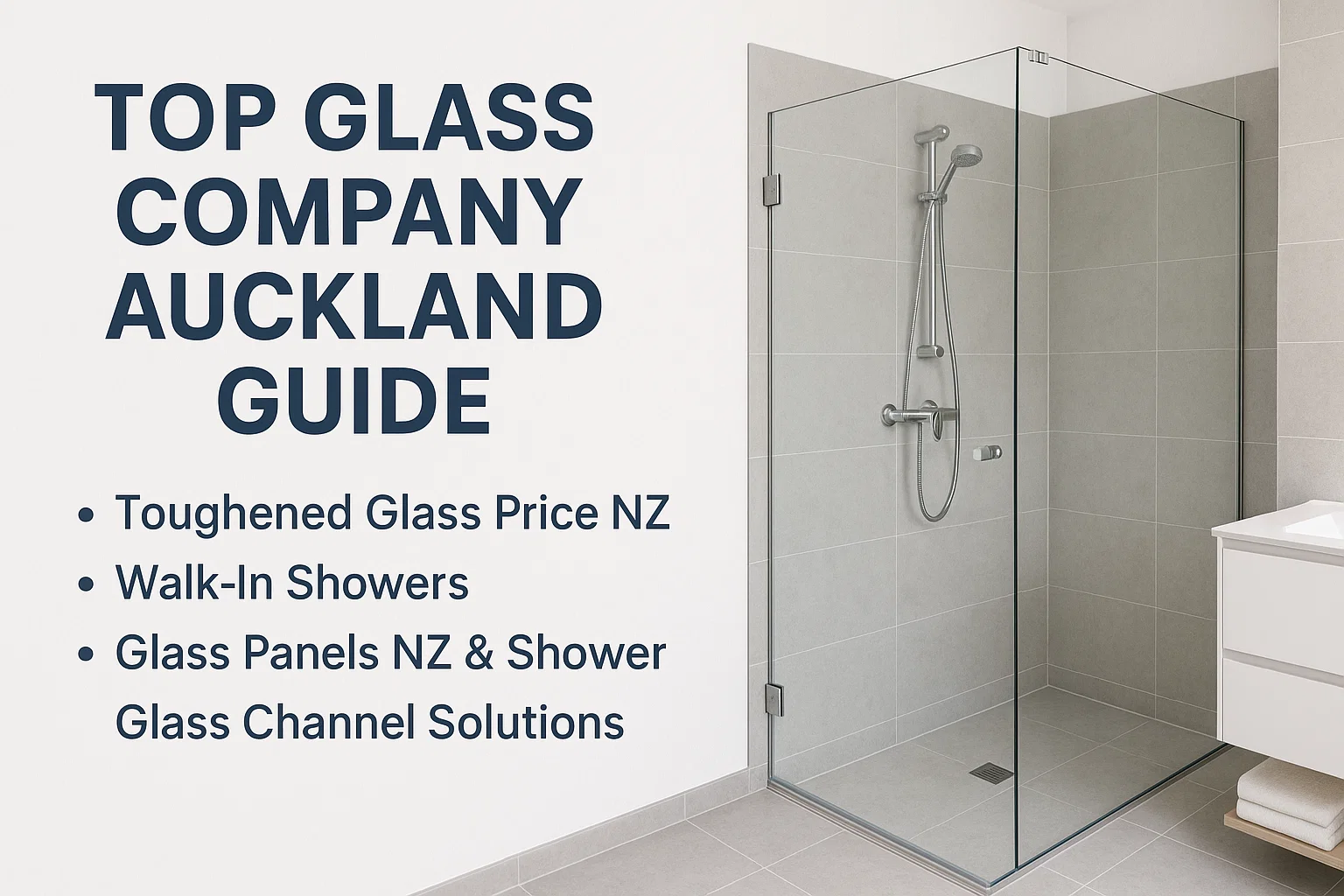
Homeowners across New Zealand are increasingly searching for reliable information about glass company Auckland services, accurate toughened glass price NZ comparisons, modern walk in shower NZ designs, durable glass panels NZ, and installation hardware such as the shower glass channel. These five keywords represent some of the most important decision-making factors for NZ customers upgrading bathrooms, kitchens, balconies, pool fences and renovation projects. This article offers a high-density, comprehensive guide designed to help improve visibility for these crucial NZ search terms.
A high-quality glass company Auckland should provide toughened glass, custom-cut panels, walk-in shower solutions and reliable hardware like the shower glass channel. Auckland customers depend on a glass company that understands the climate, humidity and architectural trends that shape the city’s buildings. A trusted glass company Auckland should also provide NZ-certified glass products for balustrades, pool fences, shower screens and home renovations.
When choosing a glass company Auckland, NZ homeowners should consider:
A premium glass company Auckland is essential for anyone upgrading their home with modern glass features.
Many customers search for toughened glass price NZ when comparing materials for shower screens, walk-in showers, balustrades, pool fences and frameless interior partitions. Because toughened glass is a safety product, the toughened glass price NZ reflects the manufacturing process, heat treatment, certification and compliance with New Zealand building standards.
The most important factors influencing toughened glass price NZ include:
For customers planning walk-in showers, balconies or pool fencing, comparing toughened glass price NZ is essential to selecting the right product.
The term walk in shower NZ has quickly become one of the most popular bathroom renovation searches across Auckland, Christchurch, Tauranga and Queenstown. A walk in shower NZ design typically uses toughened glass, sleek shower glass channel profiles, minimal framing and modern drainage systems to create a luxurious and spacious shower environment.
Benefits of a walk in shower NZ installation include:
NZ homeowners searching for walk in shower NZ options are typically comparing glass styles, toughened glass prices and installation hardware at the same time.
Glass panels NZ are used in a wide range of residential and commercial applications. Whether for balustrades, shower screens, room dividers, pool fencing or walk-in showers, glass panels NZ provide safety, clarity and modern aesthetics. Most glass panels NZ used in homes are made of toughened glass, meeting New Zealand safety standards.
Common uses for glass panels NZ include:
When customers compare glass panels NZ pricing, they also check toughened glass price NZ, channel types and installation costs.
The shower glass channel is a slim aluminium or stainless-steel profile installed at the base or side of shower glass panels. It provides support, stability and waterproofing for walk in shower NZ installations. High-quality shower glass channel hardware enhances safety and creates a cleaner, frameless look compared to bulky brackets.
Most modern NZ bathrooms use a shower glass channel instead of clamps for a clean minimal finish.
These five keywords form a natural customer journey:
By understanding and optimising this journey, we strengthen rankings for all keywords simultaneously.
DIY installations involving toughened glass can be dangerous. Customers researching glass company Auckland or comparing toughened glass price NZ should always consult an expert to ensure their walk in shower NZ or glass panels NZ installation meets NZ building standards.
For assistance with shower channels, walk-in shower units or glass price guidance:
Contact Grand Glass NZ
The rising demand for glass company Auckland, accurate toughened glass price NZ, premium walk in shower NZ designs, durable glass panels NZ, and reliable shower glass channel hardware highlights how New Zealand homeowners are embracing modern, minimalist and long-lasting glass solutions. Understanding these products helps customers make smarter decisions—and this SEO-optimised article ensures these essential keywords regain visibility across search platforms.

04/Dec/2025
Across New Zealand, both homeowners and professional installers are becoming increasingly familiar with essential glass tools and components such as mirror glass cut to size, mirror glass replacement, glazing roller, adjustable glass clamp, fixings for glass balustrades and the heavy-duty lifting arm jack. These items are widely used in the construction industry, especially in projects involving glass balustrades, pool fencing, shower screens, mirrors and custom architectural installations. This article provides a comprehensive, science-based explanation of how these components work, where they are used and why they matter for New Zealand projects.
Many New Zealand customers wonder why mirror glass cut to size is necessary instead of buying pre-made mirrors. Scientifically speaking, mirror glass requires:
A custom-cut mirror guarantees cleaner reflection, perfect fit and better long-term performance. This is why most installers in Auckland, Hamilton and Christchurch prefer mirror glass cut to size for renovations, home gyms and retail stores.
New Zealand’s climate plays a major role in mirror failure. High humidity, temperature changes and cleaning chemicals accelerate mirror oxidation. When the reflective silver backing corrodes, black spots and fogging appear—prompting the need for mirror glass replacement.
Common causes include:
During mirror glass replacement, installers often use tools like the glazing roller to position panels safely, preventing edge chipping and ensuring accurate alignment.
The glazing roller is a must-have for anyone installing mirrors, glass balustrades or shower screens. Although small in size, it performs a vital job—adjusting and shifting glass panels without scratching them.
A glazing roller uses a smooth polymer wheel to distribute pressure evenly across the glass surface. This prevents micro-fractures, which commonly occur when installers use hands or sharp tools to adjust the glass.
The glazing roller also ensures that fixings for glass balustrades, clamps and channels align perfectly during installation.
Not all New Zealand walls and surfaces are perfectly level. This is why the adjustable glass clamp has become a game-changer. It provides flexibility during installation and ensures stability even when the supporting surface isn’t perfectly straight.
Installers commonly pair adjustable clamps with mirror glass replacement or mirror glass cut to size to achieve a flawless fit.
View structural components for clamps here:
Glass Gate System – Browse All Hardware
Fixings for glass balustrades—including spigots, standoffs, clamps and anchor screws—must withstand extreme NZ weather conditions. While wind pressure in Wellington can exceed 150km/h during storms, coastal areas like Tauranga and Northland challenge hardware with high salt content.
Many NZ installers combine fixings for glass balustrades with adjustable clamps and a glazing roller for perfect alignment.
The lifting arm jack is an essential tool for safe lifting and positioning of large glass and mirror panels. Unlike manual handling, which risks cracking the glass or injuring the installer, the lifting arm jack distributes weight evenly and provides controlled elevation.
When combined with a glazing roller, the lifting arm jack allows precise final positioning with millimetre-level accuracy.
A typical New Zealand mirror or balustrade project might use all the tools mentioned above. For example:
These components create a stable, safe and visually stunning result for balconies, bathrooms, gyms and pool areas across New Zealand.
For product enquiries or NZ-wide support:
Contact Grand Glass NZ
From mirror glass cut to size to mirror glass replacement, and from glazing rollers to adjustable glass clamps, fixings for glass balustrades and the powerful lifting arm jack, these tools and components define the modern glass industry in New Zealand. Understanding how they work—and why they matter—helps installers and homeowners alike achieve safe, durable and visually striking glass installations.
04/Dec/2025
Across New Zealand—including Auckland, Hamilton, Wellington, Tauranga, Christchurch, Dunedin, Queenstown, Rotorua, Palmerston North and the entire South Island—modern construction increasingly depends on high-quality glass hardware NZ. From sleek balcony designs using glass balustrade systems, to premium backyard safety installations such as glass pool fencing, to secure glass gate system setups in residential and commercial properties, the durability and reliability of glass hardware New Zealand components influence both safety and appearance.
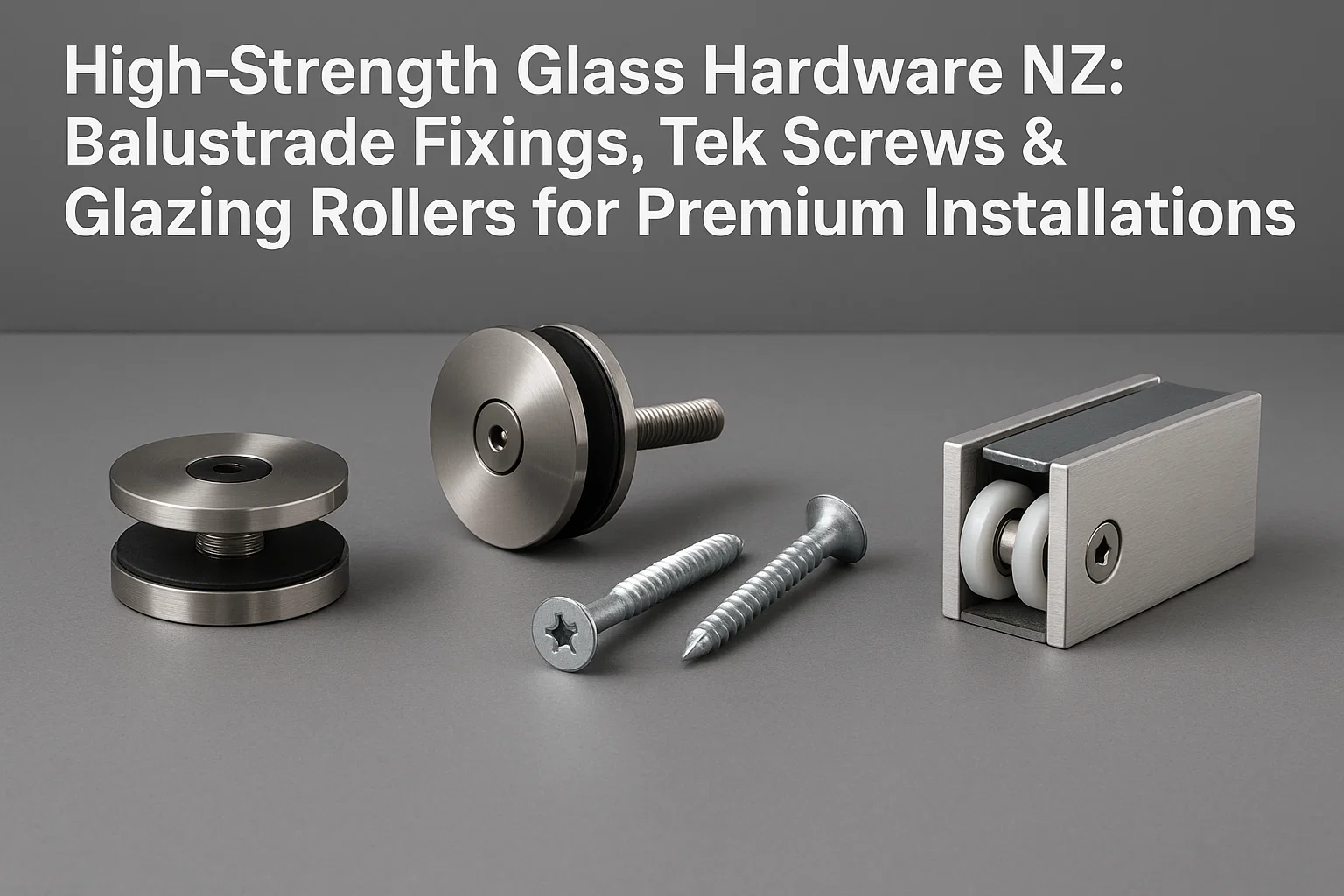
As NZ homeowners pursue contemporary architecture, installers and builders consistently rely on essential components: the glazing roller, heavy-duty glass balustrade fixings, corrosion-resistant 120mm tek screws, and all categories of professional-grade glass hardware NZ. This in-depth guide explores how these components perform across different regions of New Zealand, how they integrate into glass systems, and why the right hardware determines long-term performance.
A glazing roller is one of the most frequently used tools in the entire New Zealand glass sector. Whether an installer is setting up glass balustrade panels in Auckland, measuring pool enclosures in Tauranga, or constructing lake-view glass pool fencing in Queenstown, the glazing roller is used to position, align and adjust toughened glass safely.
The primary advantages of using a glazing roller in glass hardware NZ installations include:
New Zealand’s architectural trend toward frameless designs makes the glazing roller extremely valuable. Heavy 10–12mm glass, especially for glass balustrade and glass pool fencing, requires precise handling to achieve seamless edges and consistent spacing.
Explore compatible fencing products here:
Glass Pool Fencing – Browse all
The structural integrity of a glass balustrade system depends heavily on the quality of its glass balustrade fixings. Across New Zealand—whether on Wellington’s windy hill suburbs, Tauranga’s coastal decks, or Christchurch’s elevated balconies—these fixings must withstand high winds, salt air, UV exposure and long-term pressure from heavy glass panels.
Common glass balustrade fixings in NZ include:
High-quality fixings ensure that every glass balustrade installation remains secure for decades. In coastal regions such as North Shore, Mount Maunganui and Dunedin, stainless steel 316 balustrade fixings are critical to preventing corrosion. In high-wind areas such as Wellington, reinforced channels and heavy-duty clamps offer improved structural performance.
Browse NZ-certified fixings and gate components:
Glass Gate System – View all hardware
Every professional installer in New Zealand understands the importance of strong, corrosion-resistant 120mm tek screws. Used across Hamilton deck installations, Wellington balustrade upgrades and Christchurch pool fencing projects, these screws secure the base structure supporting glass hardware NZ.
The benefits of 120mm tek screws include:
Without proper stainless steel 120mm tek screws, even the strongest glass hardware NZ can loosen over time. Their performance is especially important in environments with frequent moisture, sea spray and temperature fluctuations.
New Zealand’s environmental conditions demand robust, well-engineered hardware. Whether the project involves glass pool fencing in Auckland, glass balustrade systems in Tauranga, or custom frameless installations in Queenstown, only premium-grade glass hardware NZ ensures durability.
Challenges specific to New Zealand include:
High-quality glass hardware New Zealand is designed to maintain longevity in these conditions. Components like clamps, hinges, latches, mini posts, channels, standoffs and structural screws play a significant role in the overall stability of every installation.
If you require product advice or recommendations:
Contact Grand Glass NZ
Modern homes use frameless glass balustrade systems, coastal glass pool fencing, corrosion-resistant clamps and precision-aligned glazing roller tools. These installations rely heavily on stainless steel glass balustrade fixings and 120mm tek screws.
Decks commonly integrate glass hardware NZ components such as spigots, clamps and balustrade channels. Installers frequently use glazing rollers and tek screws for secure timber framing.
Due to high salt exposure, marine-grade glass hardware is essential. Stainless steel 316 fixings and weather-resistant screws are standard.
Wind-zone building designs rely on reinforced glass balustrade fixings, secure channel mounts and heavy-duty 120mm tek screws for maximum stability.
South Island temperature swings require strong hardware to prevent material stress. Glass hardware NZ systems ensure reliability across these conditions.
High-end architectural homes use frameless glass balustrade systems to maximize scenic views. Precision glazing rollers, clamps and premium glass hardware ensure flawless installation quality.
New Zealand construction trends show increasing demand for:
These trends emphasize the importance of durable glass hardware NZ—including glazing roller tools, glass balustrade fixings, 120mm tek screws and corrosion-resistant components.
Whether you’re installing glass pool fencing in Auckland, building a glass balustrade in Christchurch, or constructing a secure glass gate system in Wellington, every successful installation relies on the right combination of glazing tools, structural fixings, screws and high-performance glass hardware NZ.
From precision glazing rollers and heavy-duty glass balustrade fixings, to corrosion-resistant 120mm tek screws and engineered glass hardware New Zealand, these essential components form the foundation of modern, safe, and stylish NZ architectural design.
05/Nov/2025
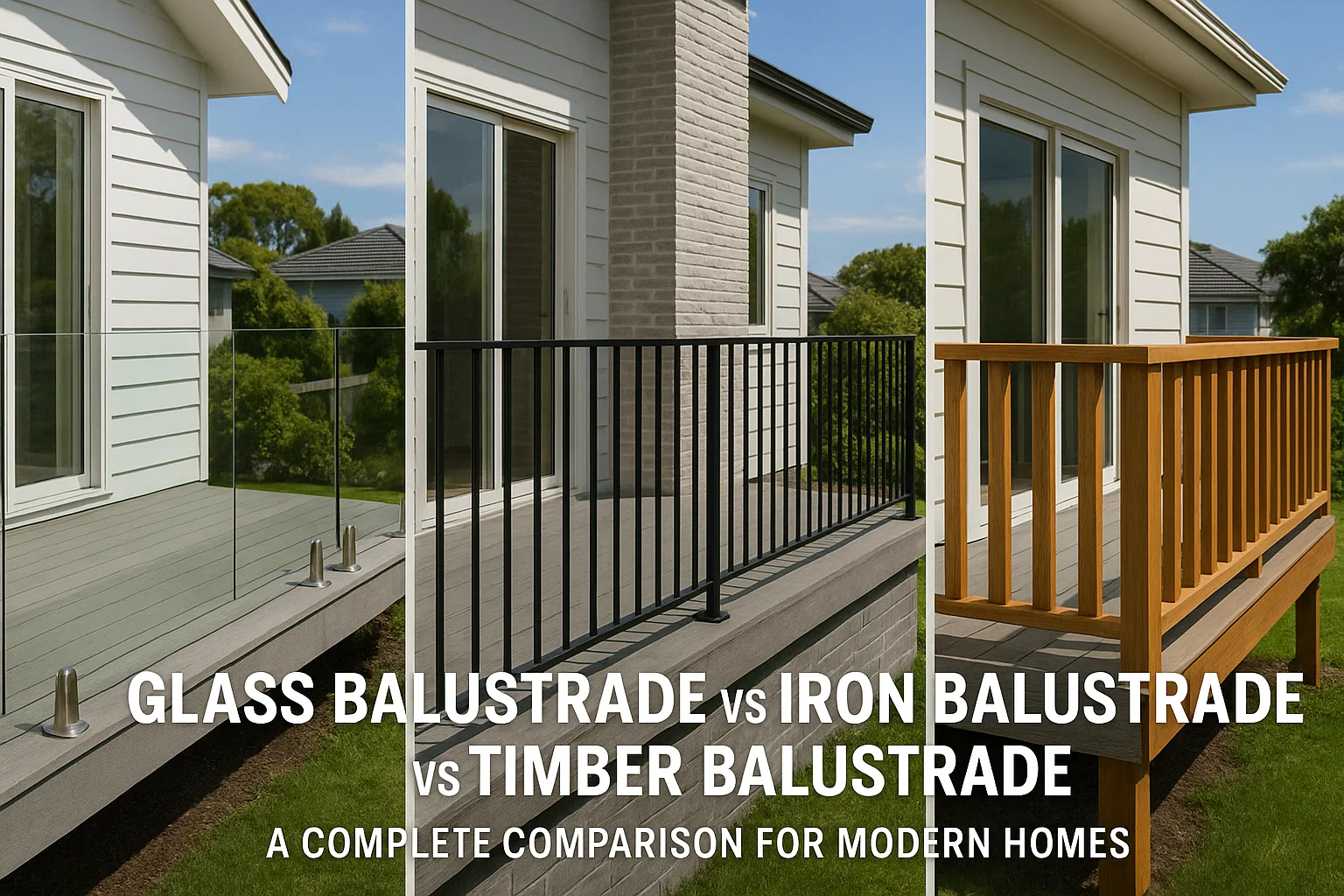
Choosing the right balustrade system is an important decision for any homeowner or designer. Balustrades are not just structural safety barriers; they influence light, space, atmosphere, and the personality of a home. Today, many people find themselves choosing between glass balustrades, iron balustrades, and timber balustrades. Each material carries its own advantages, limitations, and maintenance requirements.
This article provides a clear, detailed comparison to help you decide which balustrade type is best for your space—whether you’re renovating a balcony, staircase, deck, pool area, or mezzanine.
A glass balustrade offers a clean, modern and minimalistic look. It allows natural light to pass through and makes rooms and outdoor spaces feel larger and more open. In places like Auckland, where views and daylight are valuable, glass balustrade Auckland has become a popular design choice for new builds and renovations.
Style Keywords:
Modern
Open and spacious feel
Works with contemporary architecture
Iron balustrades have a traditional, strong presence. They can appear elegant or industrial depending on the style, but they visually block part of the view. They also tend to appear heavier in design.
Style Keywords:
Classic or ornamental
Visual weight
Detailed craftsmanship possible
Timber balustrades feel warm and natural. They suit rustic, cottage, or heritage homes. However, timber visually divides spaces and absorbs more light.
Style Keywords:
Natural and warm
Suits traditional homes
Adds visual solidity to space
Verdict:
If you want openness and visual expansion, glass is the strongest choice.
If your home is traditional or character-style, timber or iron may blend more naturally.
Modern safety glass is extremely strong. It is heat-treated (tempered) or laminated to resist impact. Glass does not rust, warp, or rot, making it ideal for outdoor decks, coastal homes, and pool fencing. With correct installation, it holds up well in wind and salt air environments.
Iron is structurally strong, but it is vulnerable to rust—especially in coastal or humid environments. Regular maintenance and repainting are required to prevent corrosion.
Timber is naturally affected by moisture. Over time it may crack, warp, swell, rot, or fade if exposed to weather without frequent sealing and upkeep.
Verdict:
For coastal or outdoor use, glass withstands environmental changes far better than iron or timber.
Safety glass is engineered to meet building standards. When installed correctly, it is extremely strong and shatter-resistant. Many homeowners choose custom glass or custom cut glass to ensure precise fitting and safe construction.
Iron balustrades are structurally strong but the space between bars must comply with safety regulations to prevent falls or climbing hazards.
Timber can be safe when properly constructed, but its long-term stability depends heavily on maintenance, especially outdoors.
Verdict:
All can be safe, but glass offers standardized, engineered safety performance that is reliable and measurable.
| Material | Maintenance Level | Issues Over Time |
|---|---|---|
| Glass | Low | Water spots, fingerprint cleaning |
| Iron | High | Rust, paint peeling, requires sanding & repainting |
| Timber | High | Rot, swelling, warping, cracking, needs resealing |
Verdict:
If you want low maintenance, glass is the most practical option.
Cost varies depending on design complexity, local labor, and material type.
Glass balustrades may cost more initially than basic timber but require far less maintenance over time.
Iron balustrades range widely depending on detailing; custom ornate patterns increase cost.
Timber balustrades may be inexpensive initially, but ongoing sealing and repairs can make it more expensive over time.
Verdict:
Glass provides the best long-term value because it maintains its appearance with minimal upkeep.
Glass enhances natural daylight, improves visibility, and reduces the feeling of enclosed space.
Iron can create a sense of separation and visual boundaries.
Timber contributes warmth but can make areas feel smaller or darker.
If your goal is to make a home feel bigger, brighter, or more connected to outdoor views, glass is the most effective choice.
| Best Choice For | Recommended Balustrade |
|---|---|
| Modern architecture & open visual space | Glass balustrade |
| Traditional or ornamental homes | Iron balustrade |
| Warm, rustic, character-style houses | Timber balustrade |
However, when considering light flow, durability, long-term maintenance, and property value, glass balustrades provide the strongest balance of performance and design benefits. This is especially true in coastal regions, urban apartments, and contemporary houses where maximizing space and openness is a priority.
Whether you choose glass balustrade Auckland, a custom glass design feature, or custom cut glass for precise installation, understanding these material differences helps ensure that your balustrade not only looks beautiful but also performs well for many years.