PHONE: 09-4789778
Frameless vs Framed Shower NZ (2026 Cost, Style & Pros and Cons Guide)

Frameless vs Framed Shower NZ (2026 Cost, Style & Pros and Cons Guide)

12/May/2026

If you are renovating your bathroom in New Zealand, one of the biggest decisions is whether to choose a frameless or framed shower. Both are popular, both are compliant under the NZ Building Code, and both have their place — but they differ significantly in cost, appearance, cleaning, and long-term value.

This guide compares frameless vs framed shower units in NZ across price, glass thickness, durability, maintenance, installation, and resale value — so you can pick the right system for your bathroom and budget.

1. The Quick Answer: Which Should You Choose?

Here is the short version before we get into detail:

  • Choose a framed shower if you want the lowest cost, a traditional look, or you are renovating on a tight budget. Expect to pay $400 – $900 fully installed.
  • Choose a semi-frameless shower if you want a modern look at a mid-range price, with a bit more structural support. Expect to pay $700 – $1,300 fully installed.
  • Choose a frameless shower if you want a premium, minimalist appearance with maximum visual space and the highest property value uplift. Expect to pay $1,000 – $1,800+ fully installed.

The right choice depends on your bathroom size, design style, and how long you plan to stay in the home.

2. What Is a Framed Shower?

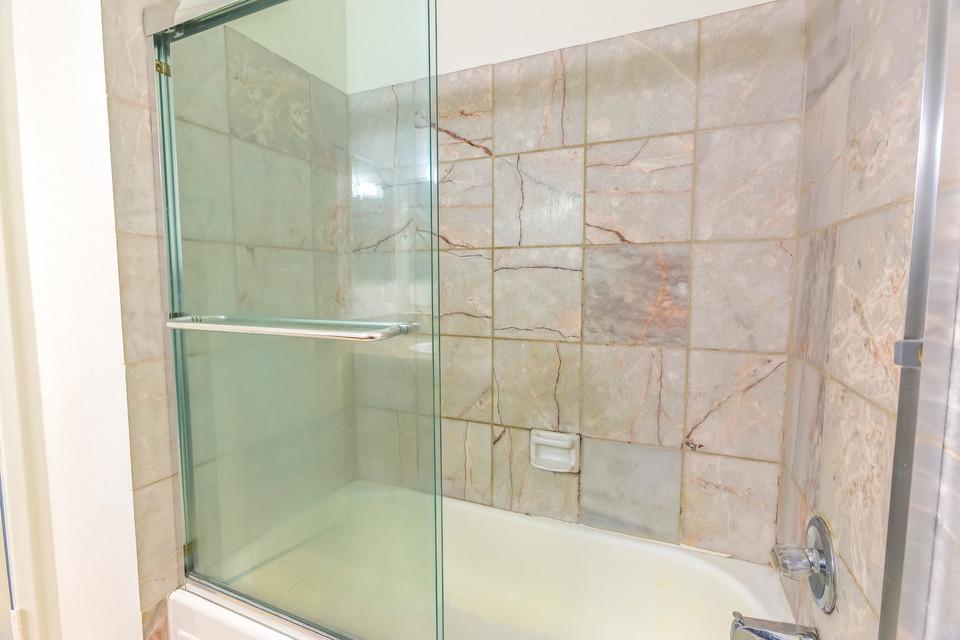
A framed shower has aluminium frames around every glass panel — typically the door, side panels, and sometimes the top and bottom edges.

Key features:

  • Glass thickness: usually 6mm toughened safety glass
  • Frame material: powder-coated aluminium (silver, black, matte black, or white)
  • Door types: hinged, sliding, or pivot
  • Style: traditional, structured, more visible hardware

Framed showers are popular in rental properties, family homes, and budget renovations because they are durable, affordable, and easy to install.

3. What Is a Frameless Shower?

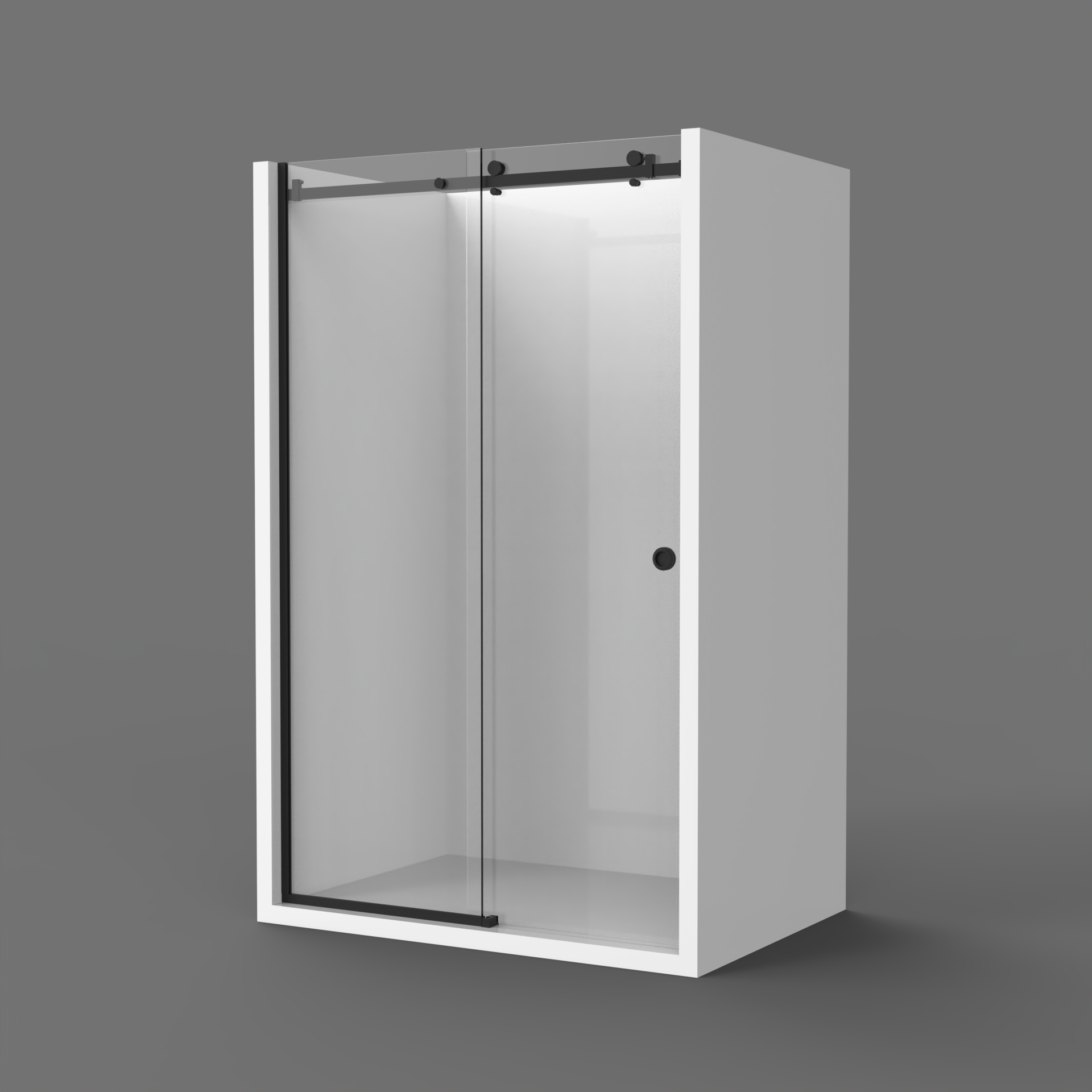
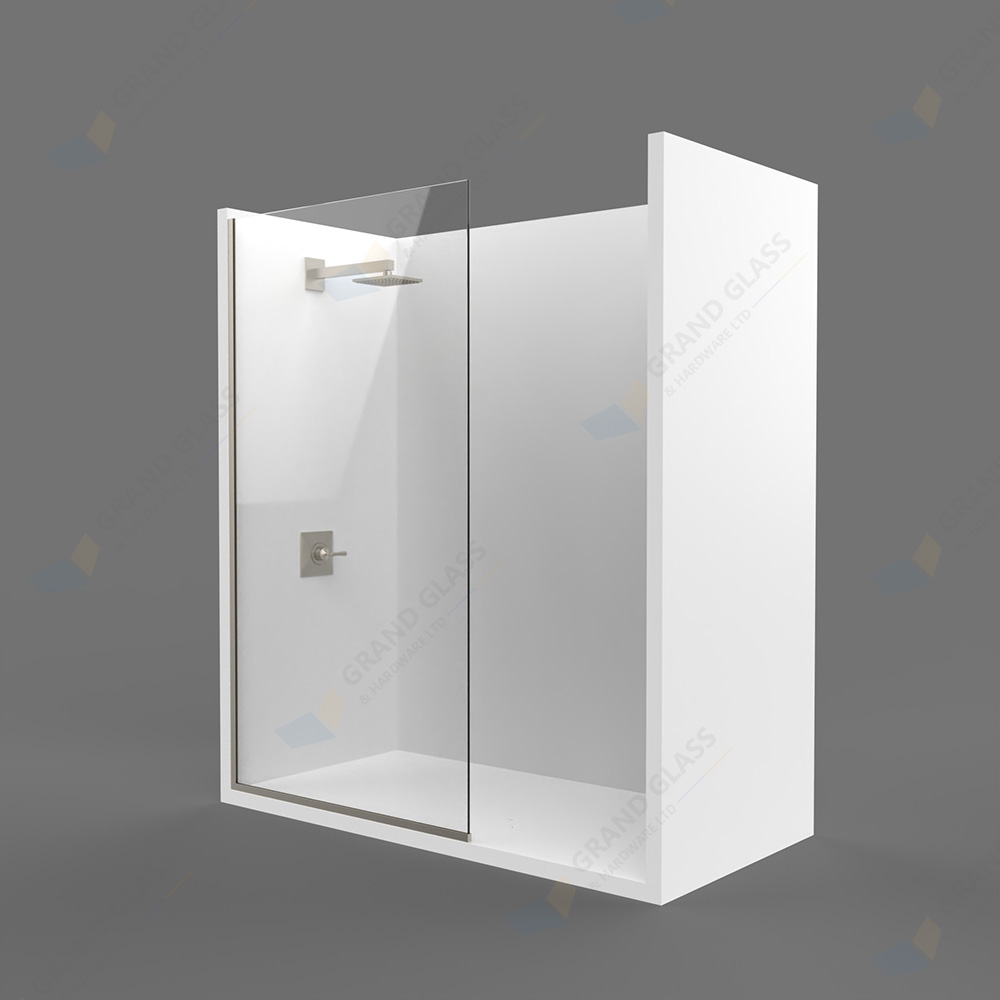
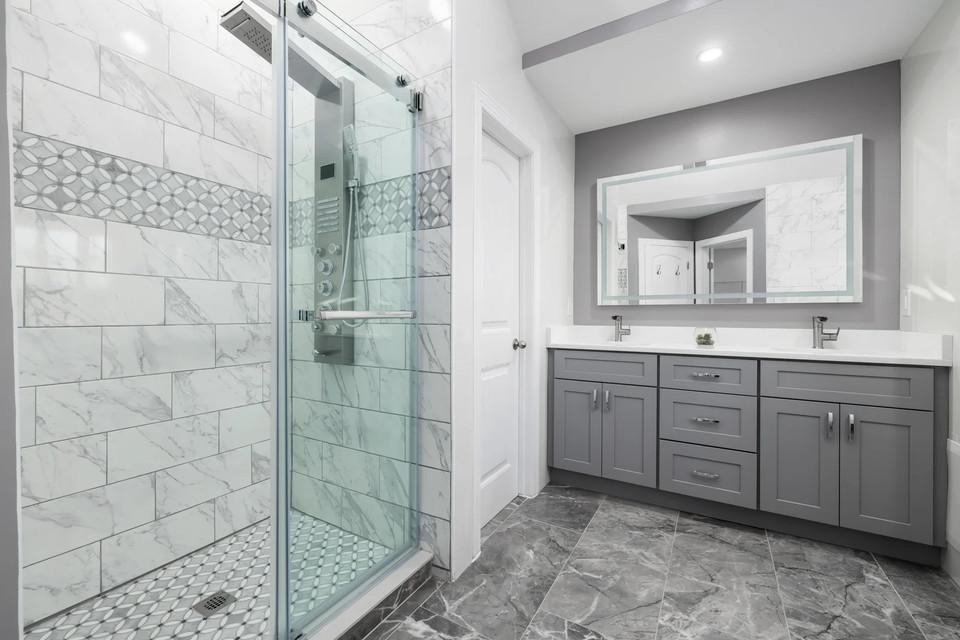
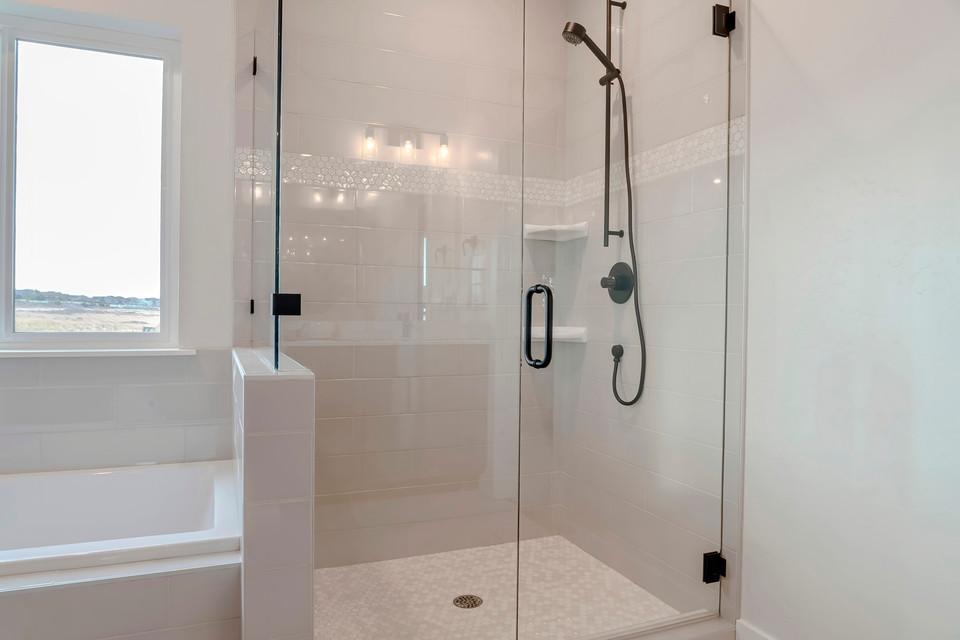
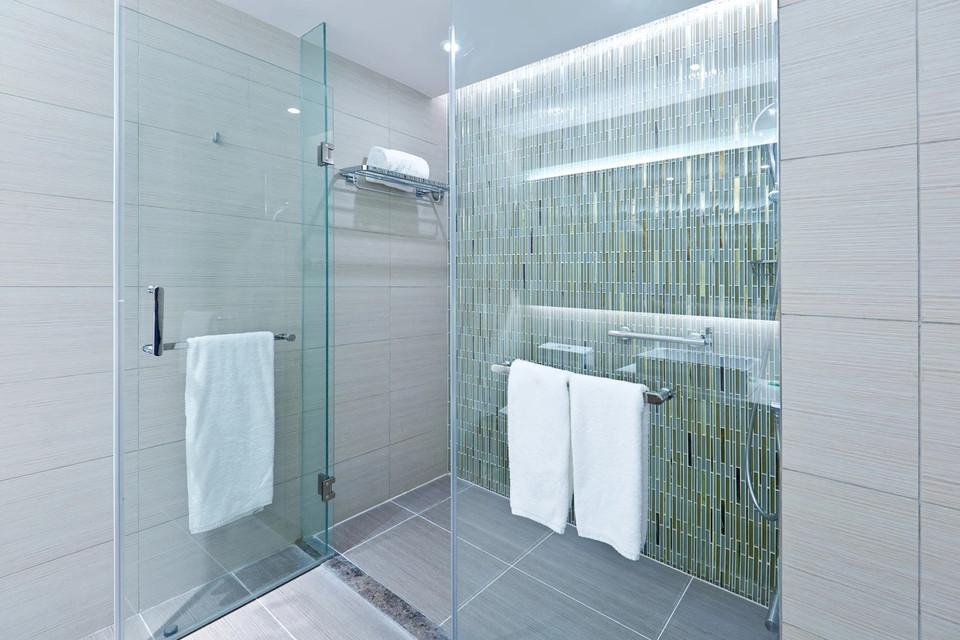
A frameless shower uses thick toughened glass with no surrounding frame. The glass is held in place by discreet hinges, clamps, or channels.

Key features:

  • Glass thickness: 8mm or 10mm toughened safety glass
  • Hardware: stainless steel hinges and clamps
  • Door types: hinged or pivot (sliding less common in fully frameless)
  • Style: sleek, modern, minimal visual obstruction

Frameless showers are the premium option, often chosen for master bathrooms, en-suites, and high-end renovations.

If you are considering compliant frameless systems, view our Shower Units range here: https://grandglass.co.nz/shower-units/category/list

4. What About Semi-Frameless?

Semi-frameless showers sit between the two — typically with a slim frame around the outer edges for structural support, but minimal or no framing on the door itself.

  • Glass thickness: usually 8mm
  • Cost: mid-range
  • Look: modern but with some visible hardware
  • Best for: family bathrooms where durability matters but you still want a modern look

5. Cost Comparison: Frameless vs Framed Shower NZ (2026)

Here are typical NZ prices for residential shower units in 2026:

Framed shower

  • Supply only: $300 – $600
  • Fully installed: $400 – $900

Semi-frameless shower

  • Supply only: $500 – $900
  • Fully installed: $700 – $1,300

Frameless shower

  • Supply only: $700 – $1,400
  • Fully installed: $1,000 – $1,800+

Custom-sized or curved frameless units can exceed $2,500 fully installed. Installation cost depends on bathroom size, tile condition, and whether plumbing modifications are required.

Framed showers typically cost 30% – 50% less than frameless equivalents.

6. Glass Thickness: 6mm vs 8mm vs 10mm

Glass thickness is the single biggest factor affecting cost, weight, and feel.

  • 6mm glass — standard in framed showers. Strong enough when supported by an aluminium frame. Lighter and cheaper.
  • 8mm glass — common in semi-frameless and some frameless systems. Better visual weight and durability.
  • 10mm glass — standard for premium frameless showers. Heavy, structurally stiff, premium feel.

All shower glass in NZ must be toughened safety glass under NZ Building Code Clause F2 (Hazardous Building Materials). For more detail, see our full Shower Glass Regulations NZ guide.

7. Durability and Long-Term Performance

Framed showers:

  • Frame supports the glass, reducing stress on the panels
  • Less risk of glass damage from misuse
  • Frames can corrode or discolour over time, especially in coastal areas
  • Rubber seals may need replacement every 5 – 7 years

Frameless showers:

  • Thicker glass is more resistant to chips and stress
  • No frame to corrode or discolour
  • Hinges and clamps must be high-quality stainless steel
  • Properly installed, can last 20+ years with minimal issues

Frameless showers age better visually because there is no frame to fade, peel, or rust. However, the hardware quality matters enormously — cheap hinges can fail.

8. Cleaning and Maintenance

This is where frameless wins clearly.

Framed showers:

  • Frames trap water, soap scum, and mould
  • Bottom track collects grime
  • Rubber seals discolour over time
  • Require regular cleaning of frame channels

Frameless showers:

  • Minimal hardware = minimal places for grime
  • Easy to squeegee dry after each shower
  • No tracks or channels to scrub
  • Less risk of mould and mildew

Applying a glass coating to frameless shower glass further reduces water stains and cleaning effort. For more info on glass coating, see: https://grandglass.co.nz/page/glass-coating

9. Style and Bathroom Aesthetics

Framed showers suit:

  • Traditional or classic bathrooms
  • Family homes and rental properties
  • Bathrooms where the frame becomes a design feature (e.g. matte black framing)
  • Tight budgets

Frameless showers suit:

  • Modern, minimalist bathrooms
  • Small bathrooms (the lack of frame makes the space feel larger)
  • High-end renovations and master en-suites
  • Properties where resale value matters

Frameless installations also let natural light flow through the bathroom more freely, which is a noticeable benefit in compact NZ bathrooms.

10. Installation: Difficulty and Time

Framed showers:

  • Easier and faster to install
  • DIY-friendly with basic tools
  • Typically installed in half a day
  • Forgiving of slightly out-of-square walls

Frameless showers:

  • Require precise measurement
  • Walls must be square and plumb
  • Heavy glass panels need two installers
  • Typically take a full day to install
  • Less forgiving of installation errors

For DIY-friendly installation accessories and shower hardware, view our range here: https://grandglass.co.nz/diy-accessories/category/list

11. Resale Value and Property Appeal

Frameless showers consistently add more perceived value to a property than framed ones. Real estate agents in Auckland and Wellington frequently highlight "frameless glass shower" as a selling feature in listings.

If you plan to sell within 5 years, frameless can deliver a higher return on investment despite the higher upfront cost. For long-term family homes, framed or semi-frameless often makes more practical sense.

12. Common Mistakes When Choosing

  • Buying cheap frameless hardware that corrodes within 2 years
  • Choosing 6mm glass for a frameless system (too thin)
  • Ignoring waterproofing under the shower base (causes leaks later)
  • Selecting a hinged door that swings into a wall or fixture
  • Forgetting to check that the chosen system fits standard NZ bathroom dimensions

If you are unsure which system suits your bathroom, contact our team for advice: https://grandglass.co.nz/contact-us

FAQs About Frameless vs Framed Shower NZ

Q1: Is a frameless shower worth the extra cost? For most homeowners, yes — especially in master bathrooms or smaller spaces where the open look adds value. For budget renovations or rental properties, framed is the smarter choice.

Q2: Do frameless showers leak more than framed? Properly installed frameless showers should not leak. Good seals, precise measurement, and correct slope of the shower base are essential. Poor installation is the leading cause of leaks in both types.

Q3: What glass thickness should I choose for a frameless shower? 8mm minimum, 10mm preferred. Frameless showers rely on the glass itself for structural strength, so thicker glass is essential.

Q4: Can I install a frameless shower myself? It is possible but challenging. Frameless glass panels are heavy, require precise alignment, and need two people to install safely. Most homeowners find the value of professional installation worth the cost.

Q5: Which lasts longer, framed or frameless? Frameless typically lasts longer visually because there is no frame to corrode or discolour. Both can last 20+ years with quality materials and proper care.

Q6: Does shower style affect resale value in NZ? Yes. Frameless showers are increasingly seen as a premium feature in NZ property listings. Framed showers are functional and acceptable but less of a selling point.

Final Thoughts

The frameless vs framed shower decision in NZ comes down to budget, style, and how long you plan to stay in the home. Both options are compliant, durable, and effective when properly specified.

Before choosing, confirm:

  • Your renovation budget
  • Bathroom size and layout
  • Whether walls are square and plumb (matters more for frameless)
  • Glass thickness (6mm framed, 8–10mm frameless)
  • Hardware quality (especially hinges and clamps)
  • Whether you want a hinged, sliding, or pivot door
  • Long-term plans for the property

A well-chosen shower system delivers safety, durability, and visual appeal — whether you spend $500 on a budget framed unit or $1,800 on a premium frameless one. The "best" shower is the one that suits your bathroom, your lifestyle, and your budget.


Read more

Handrail Height Requirements NZ (2026 Building Code Guide)

Handrail Height Requirements NZ (2026 Building Code Guide)

12/May/2026

If you are building or renovating a staircase, ramp, or accessible route in New Zealand, the handrail must comply with the NZ Building Code. Handrails are not just decorative — they are a critical safety feature that prevents falls and supports users moving up and down stairs.

This guide explains the key handrail height requirements in NZ, including the 900–1000mm rule, NZ Building Code Clause D1, grasp profile rules, structural load standards, and where consent is required.

1. When Is a Handrail Required in NZ?

Under NZ Building Code Clause D1 (Access Routes), handrails are required on:

  • All stairways
  • All ramps steeper than 1 in 20
  • Accessible routes in commercial buildings

For typical residential homes, a handrail must be provided on at least one side of every staircase. For stairways wider than 2.0 metres, handrails are required on both sides. Stairways wider than 4.0 metres also need an intermediate handrail in the middle.

For accessible stairways and ramps (commercial, public, or aged-care environments), handrails are required on both sides regardless of width.

2. Minimum Handrail Height: The 900–1000mm Rule

The standard handrail height in New Zealand is between 900mm and 1000mm, measured vertically from the stair pitch line (the line connecting the stair nosings) to the top of the handrail.

Key heights to remember:

  • Stair handrail: 900–1000mm above pitch line
  • Landing handrail (residential): minimum 1000mm
  • Landing handrail (commercial / non-housing): minimum 1100mm

This height range ensures that both tall and short users can comfortably grasp the rail while moving up or down stairs.

The handrail (and barrier) can transition between 1000mm and 1100mm over a 300mm-long zone where a stair meets a landing.

3. Handrail vs Balustrade: What's the Difference?

These terms are often confused. Under the NZ Building Code:

  • Balustrade (or barrier): the full safety barrier preventing falls — typically required where the fall is 1 metre or more (Clause F4)
  • Handrail: the graspable rail providing support on stairs and ramps (Clause D1)

In many residential installations, the top of a balustrade also functions as the handrail. This is allowed only if the rail is at the correct height (900–1000mm above the pitch line), continuous, graspable, and includes the required extensions.

If you are also installing a glass balustrade, view our compliant Glass Balustrade range here: https://grandglass.co.nz/glass-balustrade-495/category/list

4. Handrail Continuity and Extensions

NZ Building Code Clause D1 requires handrails to be:

  • Continuous along the full length of the stairway or ramp
  • Begin no further than the second riser from the lower end of the stairway
  • Extend the full length of the flight they serve

For accessible stairways and ramps, handrails must also include:

  • 300mm minimum horizontal extension at the top and bottom of the rail
  • Continuous handrails on both sides, except where interrupted by doorways

The 300mm extension is one of the most commonly missed compliance details, especially in commercial fit-outs.

5. Handrail Profile and Grasp Requirements

To provide a safe and secure grip, handrails must meet specific profile standards:

  • Circular profiles: 32mm to 50mm in diameter
  • Non-circular profiles: must have a graspable perimeter of 100mm to 160mm
  • Smooth surface with no sharp edges, protrusions, or obstructions
  • Clear space between handrail and wall: between 45mm and 60mm

The handrail must allow a hand to slide along its full length without interruption — important for elderly users and people with mobility issues.

If you are looking for compliant handrail systems, view our Handrail range here: https://grandglass.co.nz/handrail/category/list

6. Structural Load Requirements

Handrails must be designed to resist the forces of someone leaning, pushing, or pulling on them. Under AS/NZS 1170.1 Table 3.3, typical residential handrail loads are:

  • Horizontal line load: 0.75 kN per metre (residential)
  • Concentrated point load: 0.6 kN at the top edge
  • Public / commercial areas: often 1.5 kN per metre or higher

Handrail brackets and fixings must transfer these loads safely into the wall or structural framing. Improperly anchored handrails are one of the most common reasons stairways fail council inspection.

7. Handrail Durability Requirements

Under NZ Building Code Clause B2 (Durability), handrails and their support posts must have a durability rating of at least 50 years.

This means:

  • Materials must resist corrosion (especially in coastal Auckland and Northland)
  • Fixings must be stainless steel or otherwise corrosion-resistant
  • Timber handrails must be properly treated
  • Aluminium handrails should be powder-coated or anodised

Choosing the wrong materials for your climate zone is a common cause of premature failure.

8. Types of Handrails for NZ Homes

Several handrail styles are commonly used in NZ, each suiting different applications:

Round handrails (38.1mm or 50.8mm)

  • Classic profile, easy to grip
  • Suitable for both residential and commercial use
  • Often paired with glass balustrades

Slotted top rails (38.1mm or 50.8mm)

  • Doubles as a structural rail for glass infill
  • Cleaner modern appearance
  • Common in frameless and semi-frameless balustrades

Square or flat profile rails

  • Modern minimalist look
  • Must still meet graspable perimeter rules (100–160mm)
  • Often used in architectural feature staircases

Compliance depends on profile dimensions and proper installation, not the visual style.

9. Do You Need Building Consent for Handrails?

In most cases, replacing or installing a handrail on an existing staircase does not require building consent, provided no structural work is involved.

Consent is typically required if:

  • The handrail is part of a new staircase or deck construction
  • Structural elements are altered
  • The work forms part of a larger consented project

Even where consent is not required, the handrail must still comply with the Building Code. Councils can take enforcement action against obviously non-compliant or unsafe installations.

Always confirm with your local council or licensed building practitioner before starting work.

10. Common Handrail Compliance Failures

The most common reasons handrails fail inspection:

  • Height outside the 900–1000mm range
  • Missing 300mm extensions on accessible routes
  • Non-continuous rails (gaps mid-flight)
  • Profile too thick or too thin to grasp safely
  • Inadequate clearance between rail and wall (less than 45mm)
  • Insufficient fixings or wrong anchor type
  • Corroded fixings in coastal zones
  • No handrail at all on stairways requiring one

A pre-installation check against Clause D1/AS1 usually prevents costly rework.

If you need assistance selecting a compliant handrail system, contact our team: https://grandglass.co.nz/contact-us

FAQs About Handrail Height Requirements NZ

Q1: What is the minimum handrail height in NZ? The standard handrail height is between 900mm and 1000mm, measured from the stair pitch line to the top of the handrail.

Q2: Do I need a handrail on both sides of my stairs? For residential homes, one side is usually enough. Stairways wider than 2.0 metres need handrails on both sides, and stairways wider than 4.0 metres need an intermediate handrail in the middle.

Q3: Can my balustrade top rail also be the handrail? Yes, provided it meets the height (900–1000mm above pitch line), is continuous, graspable, and includes the required 300mm extensions on accessible routes.

Q4: Do handrails need building consent in NZ? Usually no, if you are simply replacing or adding a handrail. Consent is required for new staircases or significant structural alterations.

Q5: What diameter should a round handrail be? Between 32mm and 50mm — most NZ handrails are 38.1mm or 50.8mm round profiles.

Q6: How much clearance is needed between the handrail and the wall? Between 45mm and 60mm, to allow a hand to slide along the rail without obstruction.

Final Thoughts

Handrails in New Zealand must comply with strict height, profile, continuity, and structural load requirements under the NZ Building Code Clause D1. A handrail that looks fine visually can still fail inspection if the height is off, the grip is wrong, or the extensions are missing.

Before installation, confirm:

  • Height (900–1000mm above pitch line)
  • Profile (32–50mm round or 100–160mm graspable perimeter)
  • Continuity along the full flight
  • 300mm extensions on accessible routes
  • Wall clearance (45–60mm)
  • Structural load capacity (0.75 kN/m residential)
  • Durability rating (50 years)
  • Corrosion-resistant fixings

Choosing a certified system protects users and ensures smooth council approval — without expensive rework.


Read more

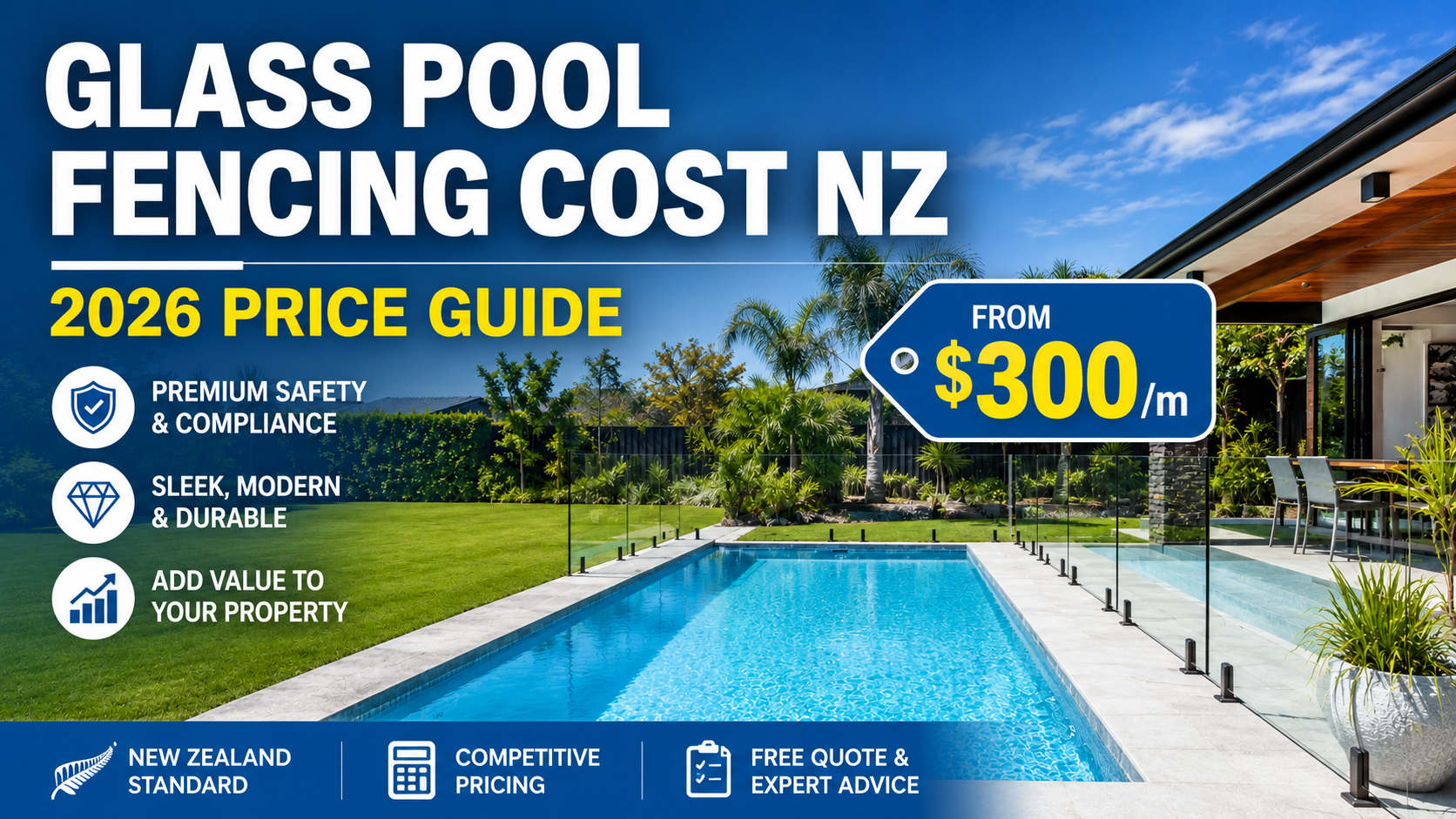
Glass Pool Fencing Cost NZ (2026 Price Guide)

Glass Pool Fencing Cost NZ (2026 Price Guide)

12/May/2026

If you are planning to install glass pool fencing in New Zealand, the first question is almost always the same — how much will it cost?

The honest answer is that prices vary widely depending on the system you choose, the size of your pool area, the hardware, the site conditions, and whether you install it yourself or hire a professional.

This guide breaks down the real 2026 prices for glass pool fencing in NZ, including per-metre rates, installation costs, gate hardware, hidden fees, and how to save money without compromising compliance.

1. Average Glass Pool Fencing Cost in NZ (2026)

As a general guide, expect to pay between NZ$300 and NZ$900 per linear metre for glass pool fencing in 2026, depending on the system.

Typical price ranges:

  • Framed glass pool fencing: $300 – $400 per linear metre
  • Semi-frameless glass pool fencing: $400 – $600 per linear metre
  • Frameless glass pool fencing: $550 – $900 per linear metre

For a standard residential pool needing 20 – 30 metres of fencing, total project costs commonly fall between $5,000 and $20,000 fully installed.

DIY pricing (supply-only) is significantly lower — more on that further down.

2. Cost by System Type

Different fencing systems have different price points because they use different amounts of hardware, glass thickness, and engineering.

Channel System (Frameless)

  • Glass slots directly into an aluminium base channel
  • Cleanest modern look
  • Uses 12mm toughened safety glass
  • Higher hardware cost, but fewer visible fixings

Mini Post System (Frameless or Semi-Frameless)

  • Small stainless steel or aluminium posts hold the glass
  • Lower hardware cost than channel
  • 10mm or 12mm toughened glass

Spigot System (Frameless)

  • Stainless steel spigots clamp the glass at the base
  • Very popular for residential pools
  • Strong and visually minimal

If you are comparing systems, view our compliant Glass Pool Fencing range here: https://grandglass.co.nz/glass-pool-fencing/category/list

3. Glass Thickness and How It Affects Price

Glass pool fencing in NZ typically uses 10mm or 12mm toughened safety glass. Thicker glass costs more but is required for frameless systems and longer panel spans.

  • 10mm toughened glass — common in semi-frameless systems
  • 12mm toughened glass — standard for frameless systems and most NZ pool fencing
  • 15mm toughened glass — used for premium or extra-tall installations

Thicker glass = stronger structural performance, but also higher manufacturing and freight cost.

4. Installation Cost in NZ

Professional installation usually adds $100 – $250 per linear metre on top of materials.

Installation pricing depends on:

  • Site access (flat vs sloped sections)
  • Substrate type (concrete, timber deck, paving, or grass)
  • Curve or step requirements
  • Local labour rates (Auckland tends to be higher)

A 25-metre frameless glass pool fence in Auckland could realistically cost:

  • Materials: $15,000
  • Installation: $4,500
  • Gate + hardware: $700 – $1,500
  • Total: around $20,000 – $22,000

Smaller pools or simpler systems can come in closer to $7,000 – $12,000.

5. Pool Gate and Hardware Costs

Pool gates are priced separately and typically cost between $400 and $1,500 depending on quality and style.

Hardware costs include:

  • Self-closing hinges (D&D TruClose or similar)
  • Magnetic latch (D&D MagnaLatch or similar)
  • Glass clamps or hinge plates

Under NZ pool fencing regulations, gates must self-close and self-latch, so cutting costs on hardware is risky — non-compliant gates are one of the most common reasons pool fences fail council inspection.

If you are looking for compliant gate hardware, view our D & D Hardware range here: https://grandglass.co.nz/d-d-hardware/category/list

6. DIY Glass Pool Fencing Costs (Supply Only)

If you install the fence yourself, you can save significantly on labour. DIY supply-only pricing typically falls in this range:

  • Framed system: $150 – $250 per metre
  • Semi-frameless system: $200 – $350 per metre
  • Frameless system: $300 – $500 per metre

For a 25m fence, DIY supply might total $7,500 – $12,500 — compared to $15,000+ when installed professionally.

DIY is legally allowed in NZ, but the finished fence must still comply with the Building Code and Fencing of Swimming Pools Act. Improperly installed DIY fences will fail council inspection and need rework.

For DIY-friendly systems and tools, view our DIY Accessories range here: https://grandglass.co.nz/diy-accessories/category/list

7. Hidden Costs to Budget For

The per-metre rate is rarely the full picture. Most homeowners get caught by these extra costs:

  • Site preparation — $10 – $50 per metre for uneven ground
  • Old fence removal — $50 – $200 per metre
  • Delivery to rural areas — $100 – $400
  • Council inspection — varies by region
  • Custom curved or stepped panels — 20% – 30% premium
  • PS1 engineering certificate (required in extra-high wind zones) — $400 – $1,200

Always ask for an itemised quote rather than a single lump sum so you can compare suppliers fairly.

8. Auckland vs Regional NZ: Price Differences

Auckland is generally the most expensive market in NZ for glass pool fencing due to higher labour costs, stricter wind zone requirements, and competitive demand.

Typical Auckland pricing:

  • Semi-frameless: $400 – $600 per metre
  • Frameless: $600 – $900 per metre

Regional NZ pricing is often 10% – 20% lower, although freight on glass panels can offset some savings in remote areas.

Coastal Auckland properties may also need extra-high wind zone engineering, which adds to the cost.

9. Why Glass Pool Fencing Costs More Than Aluminium

Aluminium pool fencing is usually 30% – 60% cheaper than glass, with prices starting around $150 per metre installed.

Glass costs more because:

  • Toughened safety glass is more expensive to manufacture
  • Glass panels are heavier and harder to transport
  • Stainless steel hardware costs more than aluminium
  • Installation requires more skill and precision

However, glass offers unobstructed views, premium aesthetics, and typically adds more value to your property — which is why many homeowners still choose it despite the higher upfront cost.

10. How to Get the Best Value on Glass Pool Fencing

Smart ways to keep costs down without sacrificing quality or compliance:

  • Buy direct from an importer rather than a reseller
  • Choose standard panel sizes rather than custom-cut
  • Use a mini post or spigot system instead of full channel for slightly lower cost with similar looks
  • Do the prep work yourself (clearing old fence, levelling)
  • Combine DIY supply with hiring an installer only for the gate and final compliance check
  • Bundle pool fencing with deck balustrade if you are doing both, to save on freight and labour

If you need help selecting a system that fits your budget and complies with NZ regulations, contact our team: https://grandglass.co.nz/contact-us

FAQs About Glass Pool Fencing Cost NZ

Q1: How much does glass pool fencing cost per metre in NZ? Prices range from $300 per metre for framed systems up to $900 per metre for premium frameless installations. Most residential projects fall between $400 and $700 per metre installed.

Q2: Is glass pool fencing worth the extra cost over aluminium? For many homeowners, yes. Glass offers unobstructed views, a premium look, and often adds property value. Aluminium is cheaper upfront but doesn't provide the same aesthetic.

Q3: Can I save money by installing glass pool fencing myself? Yes. DIY supply-only can save 30% – 50% compared to a fully installed project. However, your fence must still pass council inspection, so proper installation is critical.

Q4: Are glass gates included in pool fence quotes? Not always. Gates and hardware are usually quoted separately and typically add $400 – $1,500 to the total cost.

Q5: Do I need a PS1 engineering certificate? Only in extra-high wind zones, or where council specifically requests one. Most standard residential installations in Auckland do not need a PS1.

Final Thoughts

Glass pool fencing in New Zealand is a premium investment, but the price range is wide enough that most homeowners can find a compliant option that suits their budget.

Before getting quotes, confirm:

  • The system type you want (framed, semi-frameless, frameless)
  • Total fencing length in metres
  • Number and type of gates required
  • Whether you are installing professionally or DIY
  • Wind zone and site conditions
  • Whether council compliance inspection is included

A clear specification helps you compare quotes fairly and avoid hidden costs. With the right system and supplier, glass pool fencing delivers safety, style, and long-term value — without unnecessary overspend.


Read more

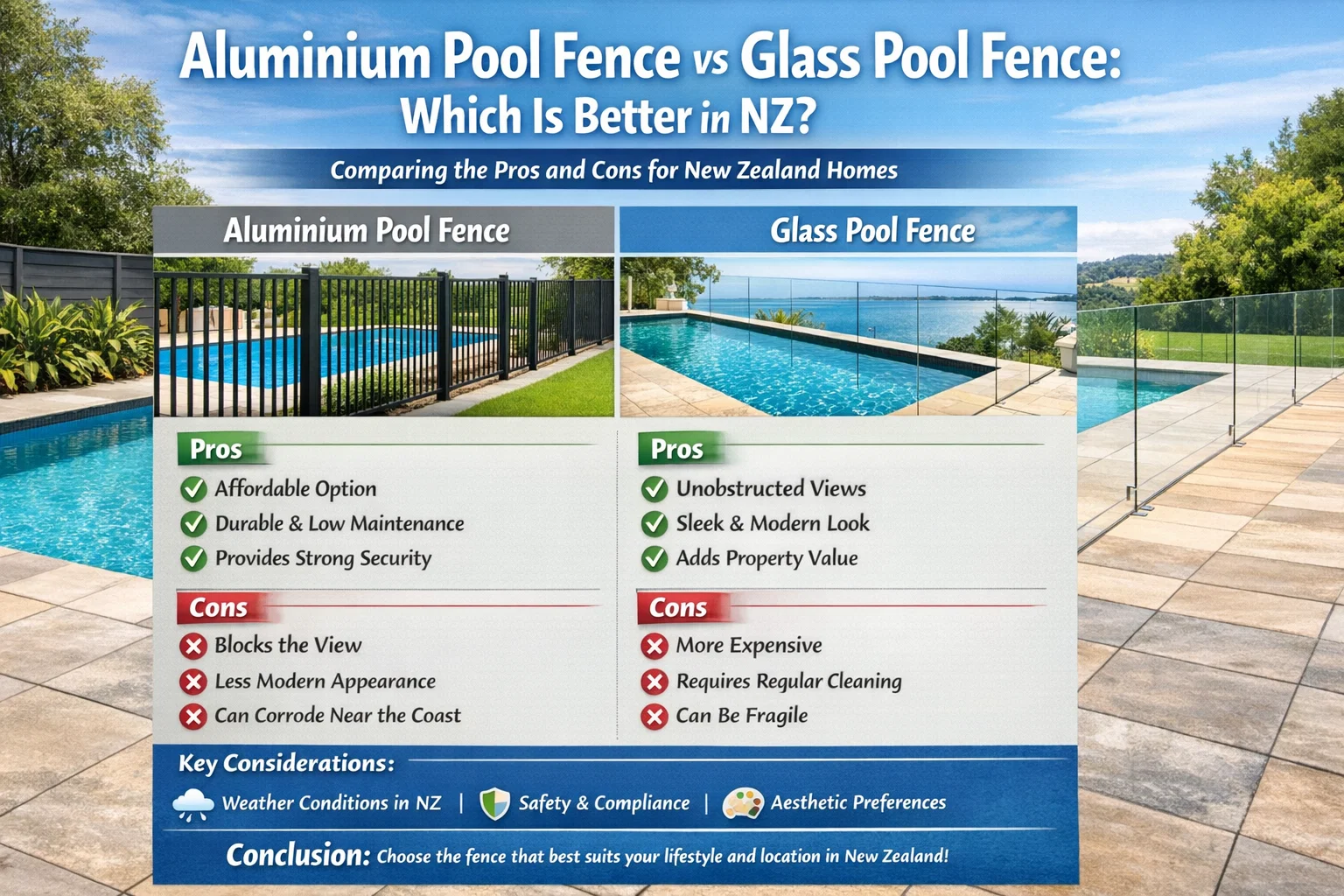
Aluminium Pool Fence vs Glass Pool Fence: Which Is Better in NZ?

Aluminium Pool Fence vs Glass Pool Fence: Which Is Better in NZ?

20/Apr/2026

Choosing between aluminium and glass pool fencing can be difficult. Both are popular in New Zealand, but they serve different needs.

Here’s a clear comparison.

1. Cost Comparison

Aluminium pool fencing is generally cheaper than glass.

  • Aluminium: budget-friendly
  • Glass: premium pricing

2. Visibility

Glass fencing offers:

  • Clear, unobstructed views

Aluminium fencing offers:

  • Privacy
  • Defined boundaries

3. Maintenance

Glass requires regular cleaning to stay clear.

Aluminium:

  • Minimal maintenance
  • No fingerprints or water marks

4. Safety

Both meet NZ safety standards if installed correctly.

However:

  • Aluminium is harder to climb
  • Glass requires correct panel installation

5. Best Use Cases

Choose aluminium if:

  • You want a low-cost solution
  • You prefer privacy
  • You want low maintenance

Choose glass if:

  • You want luxury aesthetics
  • You want uninterrupted views

View aluminium fencing options:
https://grandglass.co.nz/product/category/aluminum-fence

Learn more about glass pool fencing:
https://grandglass.co.nz/glass-pool-fencing/category/list


Read more

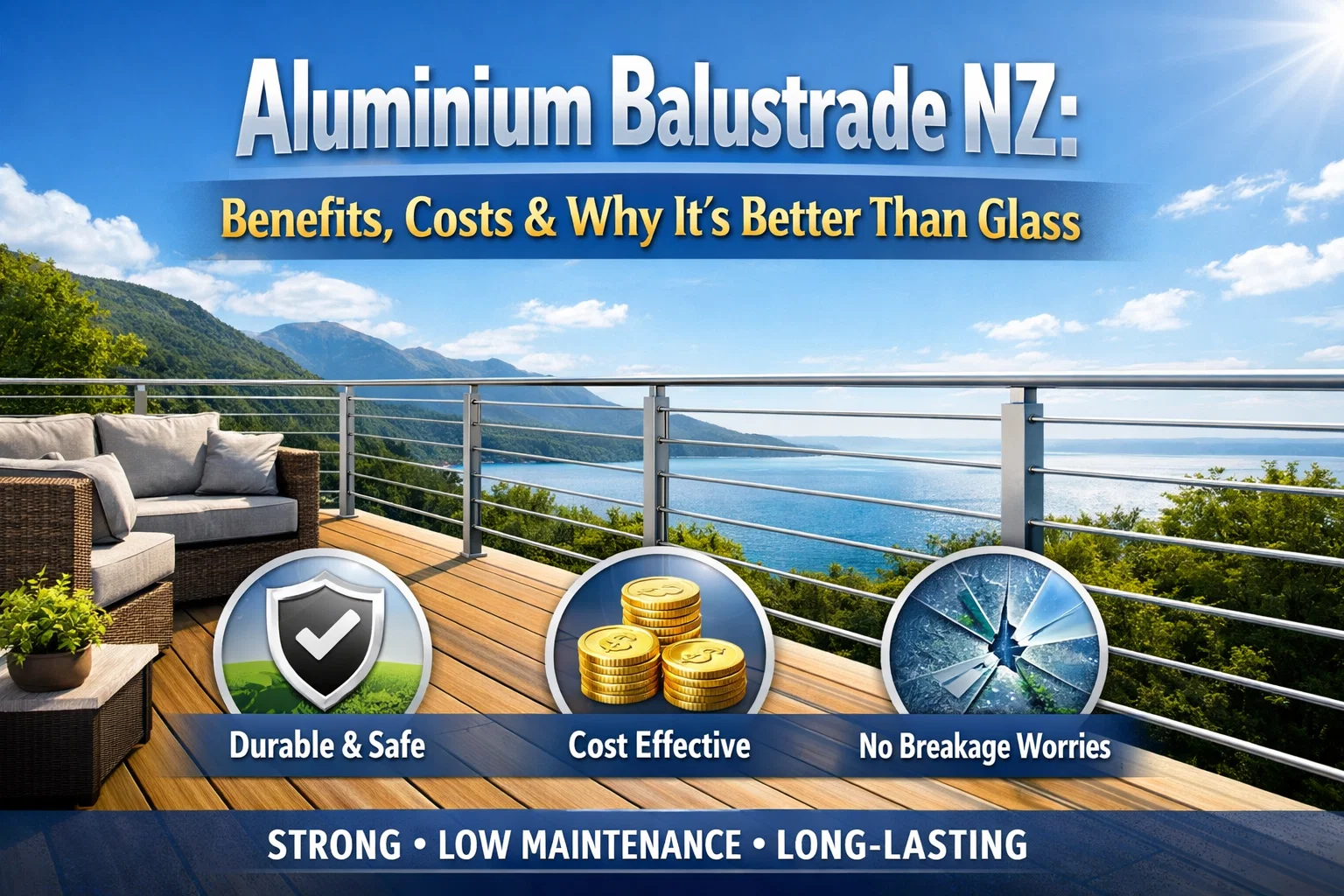
Aluminium Balustrade NZ: Benefits, Costs & Why It’s Better Than Glass

Aluminium Balustrade NZ: Benefits, Costs & Why It’s Better Than Glass

20/Apr/2026

When choosing a balustrade for your home, aluminium is becoming one of the most popular alternatives to glass.

Here’s why more New Zealand homeowners are switching to aluminium balustrades.

1. Durability in NZ Conditions

New Zealand weather can be harsh, especially in coastal areas.

Aluminium balustrades are:

  • Corrosion-resistant
  • Weatherproof
  • Long-lasting

2. Lower Cost Compared to Glass

Glass balustrades are premium, but aluminium is more budget-friendly.

Typical advantages:

  • Lower installation cost
  • Easier transport
  • Less breakage risk

3. Safety & Strength

Aluminium balustrades provide strong structural support, making them ideal for:

  • Decks
  • Stairs
  • Balconies

4. Minimal Maintenance

Unlike timber:

  • No painting
  • No staining
  • No rot

5. Modern Design Options

Today’s aluminium balustrades come in:

  • Powder-coated finishes
  • Custom colours
  • Slimline profiles 

Looking for aluminium solutions?
https://grandglass.co.nz/product/category/aluminum-fence

Or explore glass balustrade options:
https://grandglass.co.nz/glass-balustrade-495/category/list


Read more

Aluminium Pool Fence Regulations NZ 2026: Height, Spacing & Compliance Guide

Aluminium Pool Fence Regulations NZ 2026: Height, Spacing & Compliance Guide

20/Apr/2026

If you're installing an aluminium pool fence in New Zealand, understanding the latest regulations is essential. Failing to meet compliance standards can lead to fines or even forced removal of your fence.

In this 2026 guide, we break down everything you need to know about aluminium pool fence regulations in NZ.

1. Minimum Height Requirements

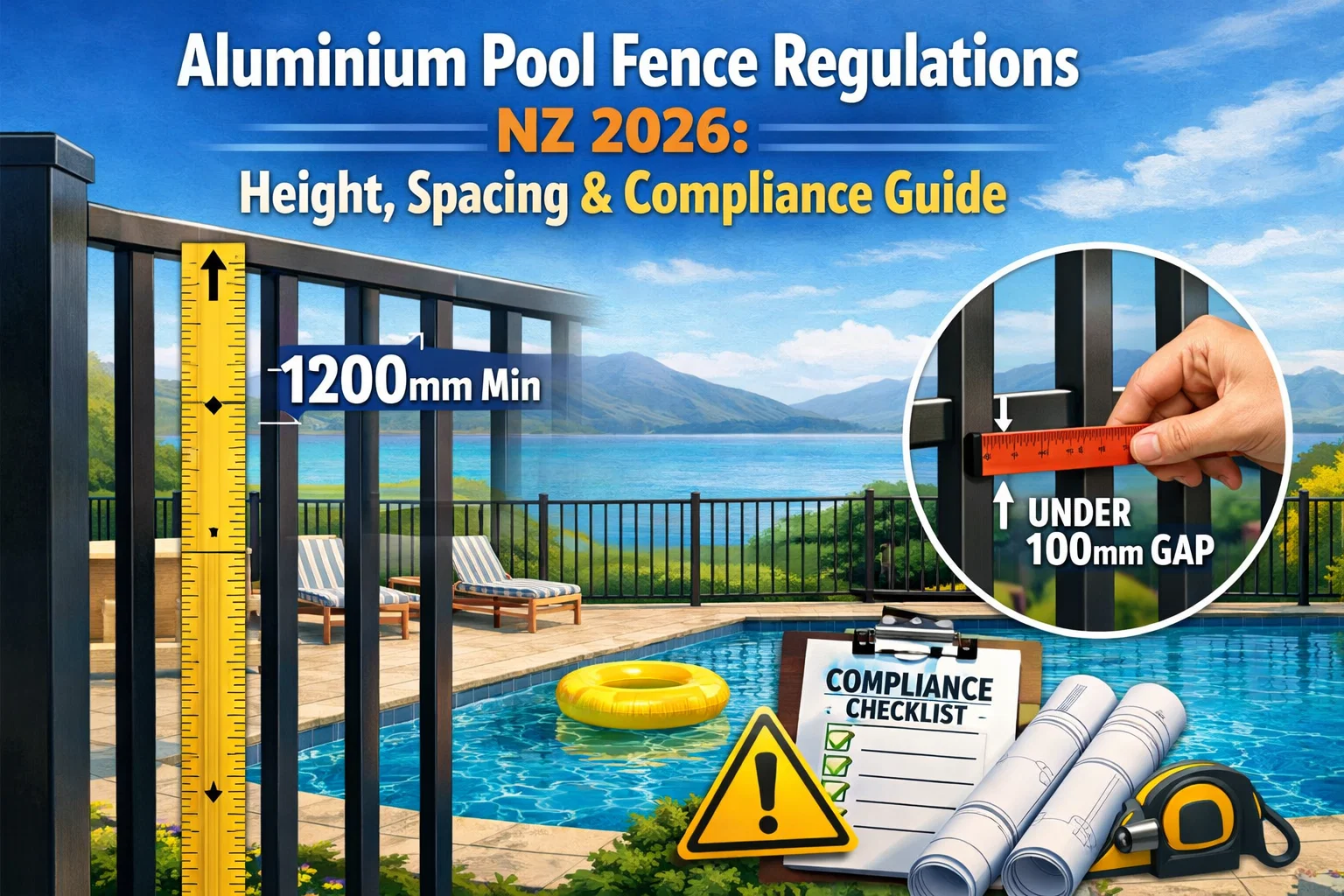
In New Zealand, pool fences must be at least 1200mm high from ground level.

This applies to all aluminium pool fence installations, whether residential or commercial.

2. Gap and Spacing Rules

To prevent children from climbing through:

  • Gaps between vertical bars must be less than 100mm
  • Ground clearance must not exceed 100mm
  • Horizontal rails must not be climbable

Aluminium pool fencing is popular because it can easily meet these spacing requirements.

3. Gate Compliance

All pool gates must:

  • Open outward (away from the pool)
  • Be self-closing and self-latching
  • Have latches positioned at least 1500mm above ground

4. Non-Climbable Zone

There must be a non-climbable zone of 900mm around the fence.

This means:

  • No furniture nearby
  • No trees or structures children can climb

5. Why Choose Aluminium Pool Fence

Compared to other materials, aluminium pool fencing offers:

  • Rust resistance (perfect for coastal NZ)
  • Low maintenance
  • Strong compliance performance

For compliant systems, explore our aluminium fence range:
https://grandglass.co.nz/product/category/aluminum-fence

Or contact our team for advice:
https://grandglass.co.nz/contact


Read more

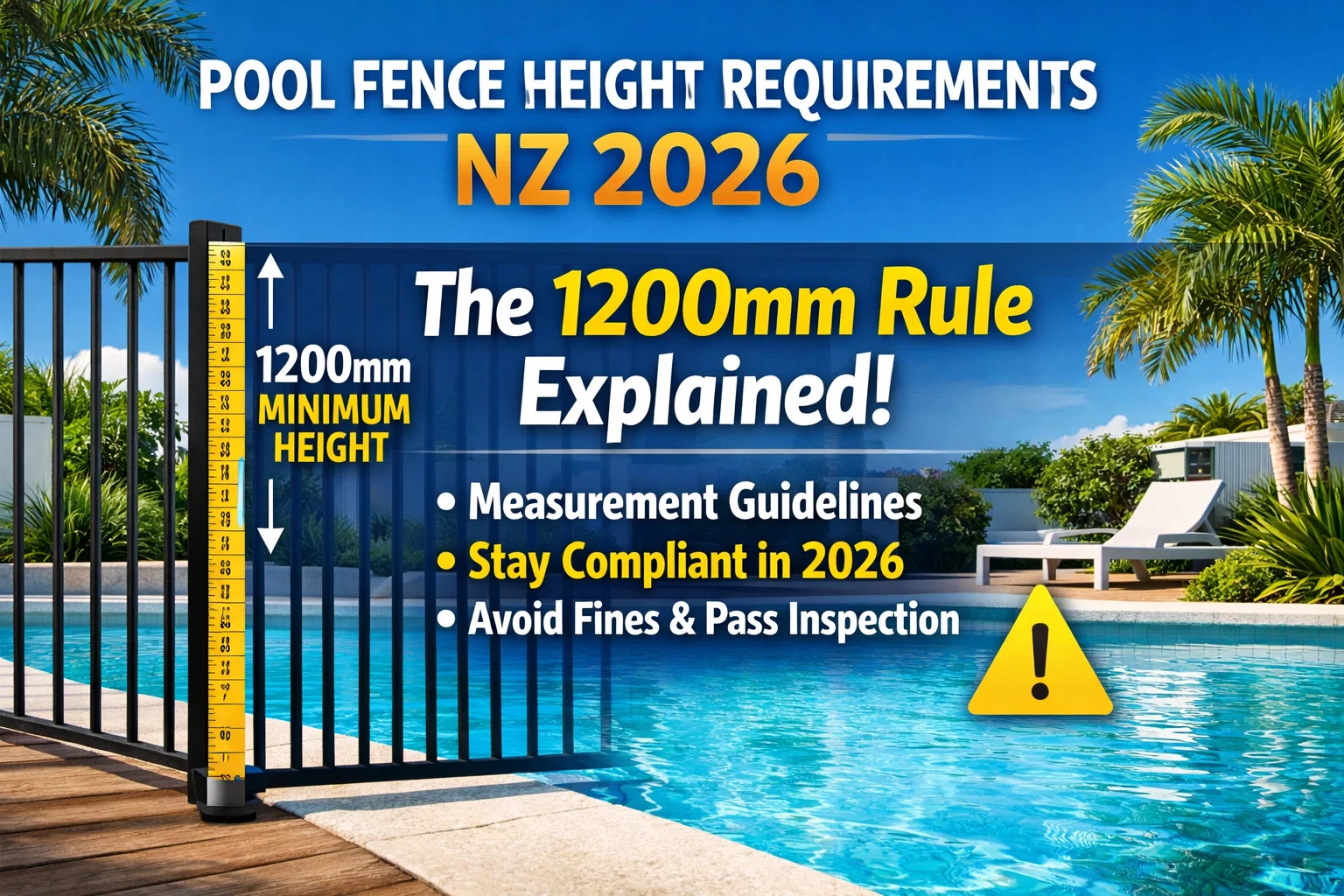
Pool Fence Height Requirements NZ (2026 Guide)

Pool Fence Height Requirements NZ (2026 Guide)

25/Mar/2026

If you own a swimming pool in New Zealand, understanding the minimum pool fence height requirements is essential.

Failing to meet the correct height can result in failed inspections, fines, and safety risks. This guide explains exactly what height your pool fence must be in NZ and how to stay compliant in 2026.


What Is the Minimum Pool Fence Height in NZ?

In New Zealand, the standard requirement is:

Minimum height: 1200mm (1.2 metres)

This measurement is taken from:

  • The ground level outside the pool area

  • Any climbable surface near the fence


Important Height Rules You Must Follow

1. Ground Clearance

  • The gap under the fence must not exceed 100mm


2. No Climbable Zones

  • No objects within 900mm – 1200mm of the fence

  • Includes:

    • Outdoor furniture

    • BBQs

    • Trees or branches


3. Boundary Fence Considerations

If using a boundary fence as part of your pool barrier:

  • It must still meet 1200mm minimum height

  • Must not be climbable from outside


4. Gate Height & Latch Position

  • Gate latch must be:

    • At least 1500mm above ground, OR

    • Located inside and child-proof


Why 1200mm Height Is Required

The 1200mm height requirement is designed to:

  • Prevent young children from climbing over

  • Reduce accidental drowning risks

  • Ensure consistent national safety standards


Common Mistakes That Cause Non-Compliance

Many homeowners fail inspection due to:

  • Fence installed slightly below 1200mm

  • Landscaping changes reducing effective height

  • Decking built too close to fence level

  • Objects placed near fence creating climbable access


Best Way to Ensure Compliance

Measure Correctly

Always measure from the highest adjacent surface outside the pool.


Choose the Right System

Glass pool fencing is one of the easiest ways to meet height requirements:

  • Clean vertical panels (no climb points)

  • Precise installation

  • Strong and durable

View compliant systems:
https://grandglass.co.nz/glass-pool-fencing/category/list


Use Certified Gate Hardware

A compliant gate system is just as important as fence height:

Explore gate systems:
https://grandglass.co.nz/product/category/glass-gate-system


Do Councils Check Fence Height?

Yes. Local councils regularly inspect pool barriers and will:

  • Measure fence height

  • Check for climbable risks

  • Test gate function

If your fence is too low, you may:

  • Fail inspection

  • Be required to fix immediately

  • Face fines

Learn about fines:
https://grandglass.co.nz/post/blog/pool-fence-fine-nz


Final Thoughts

The minimum pool fence height in NZ is clear — 1200mm is non-negotiable.

Ensuring your fence meets this requirement not only keeps you compliant but also protects your family and avoids costly penalties.

If you’re unsure about your setup, upgrading to a compliant glass pool fencing system is a smart and long-term solution.


Read more

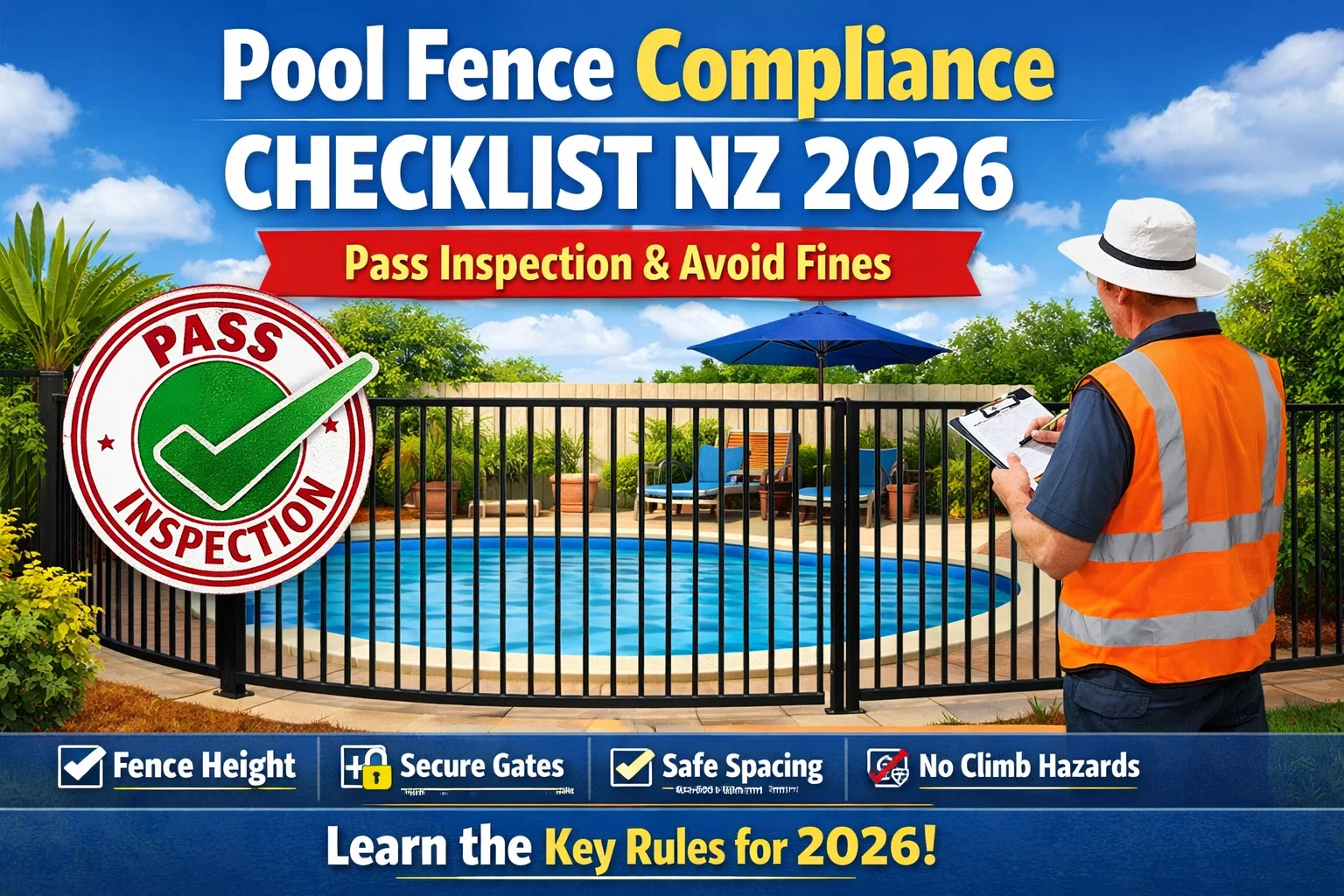
Pool Fence Compliance Checklist NZ (2026 Guide for Homeowners)

Pool Fence Compliance Checklist NZ (2026 Guide for Homeowners)

25/Mar/2026

Making sure your pool fence is compliant in New Zealand is not just about avoiding fines — it’s about keeping your family safe.

If you're unsure whether your pool fence meets current regulations, this simple compliance checklist will help you identify any issues quickly and fix them before inspection.


 Pool Fence Compliance Checklist (NZ)

Use this checklist to ensure your pool fencing meets NZ requirements:

Fence Height

  • Minimum height must be 1200mm from ground level

  • No ground gaps exceeding 100mm


Gaps & Spacing

  • Openings between vertical elements must be less than 100mm

  • No gaps that a child could squeeze through


Climbable Objects

  • No climbable objects within 1.2m of the fence

  • Includes:

    • Outdoor furniture

    • BBQs

    • Trees or shrubs

    • Planters or storage boxes


Pool Gate Requirements

Your pool gate must:

  • Open outwards (away from pool)

  • Be self-closing

  • Be self-latching

  • Automatically latch from any open position


Gate Latch Height

  • At least 1500mm above ground, OR

  • Positioned on the inside, out of reach of children


Fence Structure

  • No horizontal rails that can be used for climbing

  • Strong and rigid construction

  • No loose panels or damage


What Happens If You Fail This Checklist?

If your pool fence does not meet compliance standards:

  • You may fail council inspection

  • You could be issued a compliance notice

  • Re-inspection fees may apply

  • Fines may be issued

Read more about penalties:
https://grandglass.co.nz/post/blog/pool-fence-fine-nz


Why Glass Pool Fencing Makes Compliance Easier

Glass pool fencing is one of the easiest ways to meet NZ regulations:

  • No climbable horizontal bars

  • Clear visibility for supervision

  • Precise panel spacing

  • Durable and low maintenance

Explore compliant systems:
https://grandglass.co.nz/glass-pool-fencing/category/list

Gate hardware options:
https://grandglass.co.nz/product/category/glass-gate-system


When Should You Check Your Pool Fence?

You should inspect your fence:

  • Before a council inspection

  • After installation

  • After any landscaping changes

  • At least once every 6–12 months


Final Thoughts

Pool fence compliance in New Zealand is not complicated — but small mistakes can lead to serious consequences.

Using this checklist regularly ensures your pool area stays safe, compliant, and inspection-ready.

If you're unsure about your current setup, upgrading to a compliant glass fencing system can save you time, money, and stress.


Read more

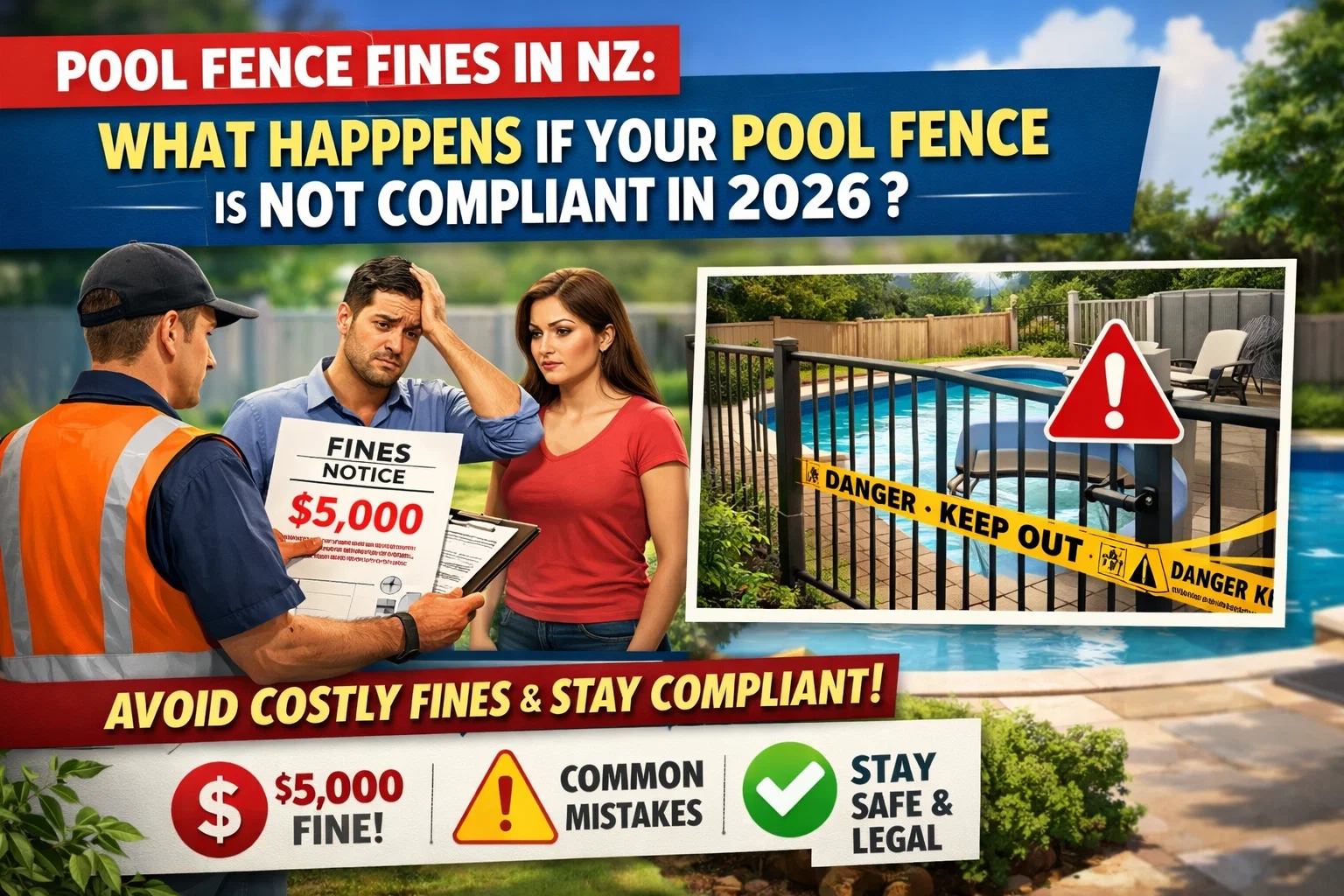
Pool Fence Fine NZ: What Happens If Your Pool Fence Is Not Compliant in 2026?

Pool Fence Fine NZ: What Happens If Your Pool Fence Is Not Compliant in 2026?

24/Mar/2026

If you own a swimming pool in New Zealand, ensuring your pool fence is compliant is not optional — it’s a legal requirement.

Failing to meet pool fencing regulations can result in fines, mandatory inspections, and even legal action. In this guide, we’ll break down pool fence fines in NZ, what causes them, and how to stay compliant in 2026.


How Much Is the Pool Fence Fine in NZ?

In New Zealand, non-compliant pool fencing can result in:

  • Instant fines issued by local councils

  • Re-inspection fees

  • Orders to fix or remove unsafe fencing

  • Potential prosecution in serious cases

 Typical penalties include:

  • Infringement fines: often starting from $300 – $500+

  • Court fines: can go up to several thousand dollars

  • Inspection fees: additional cost for follow-up visits

The exact amount depends on your local council and severity of the issue.


 Common Reasons You Might Get Fined

Most pool fence fines happen due to simple but critical mistakes:

1. Fence Too Low

Minimum height is usually 1200mm from ground level.

2. Climbable Objects Nearby

Items like chairs, BBQs, or trees within 1.2m of the fence can make it non-compliant.

3. Gate Not Self-Closing

Pool gates must:

  • Open outward

  • Self-close

  • Self-latch

4. Incorrect Latch Height

The latch must be:

  • At least 1500mm above ground, OR

  • Located on the inside and not accessible to children

5. Gaps Too Wide

Any gaps (under fence or between panels) must not allow a child to pass through.


 What the NZ Building Code Requires

New Zealand pool fencing falls under strict safety laws designed to prevent child drowning.

To be compliant, your pool barrier must:

  • Be at least 1200mm high

  • Have no climbable features within 900–1200mm

  • Include a compliant gate system

  • Fully restrict access to the pool area

 If you're unsure, it's best to review your setup against a professional standard.


 How to Avoid Pool Fence Fines

Here are practical ways to stay compliant:

 Regularly Check Your Fence

  • Test gate closing and latching

  • Inspect for loose panels or gaps

 Keep the Area Clear

  • Remove climbable objects near the fence

 Use Compliant Hardware

  • High-quality hinges and latches matter

 Explore compliant systems here:
https://grandglass.co.nz/product/category/glass-gate-system


 Why Glass Pool Fencing Helps You Stay Compliant

Glass pool fencing is one of the safest and most compliant-friendly options:

  • No horizontal rails (hard to climb)

  • Clear visibility for supervision

  • Strong and durable materials

  • Easy to meet spacing and height requirements

 View compliant options:
https://grandglass.co.nz/glass-pool-fencing/category/list


 What Happens During a Pool Inspection?

Councils regularly inspect residential pools.

During an inspection, they will check:

  • Fence height

  • Gate functionality

  • Climbable risks

  • Overall barrier integrity

 If your pool fails inspection:

  • You will receive a notice to fix issues

  • A re-inspection will be required (extra cost)

  • Continued non-compliance can lead to fines


Final Thoughts

Pool fence fines in New Zealand are avoidable — but only if you take compliance seriously.

A properly installed and maintained pool fence not only protects you from penalties but also ensures the safety of your family and others.

If you’re unsure about your current setup, it’s always better to upgrade to a compliant system than risk fines.


Read more

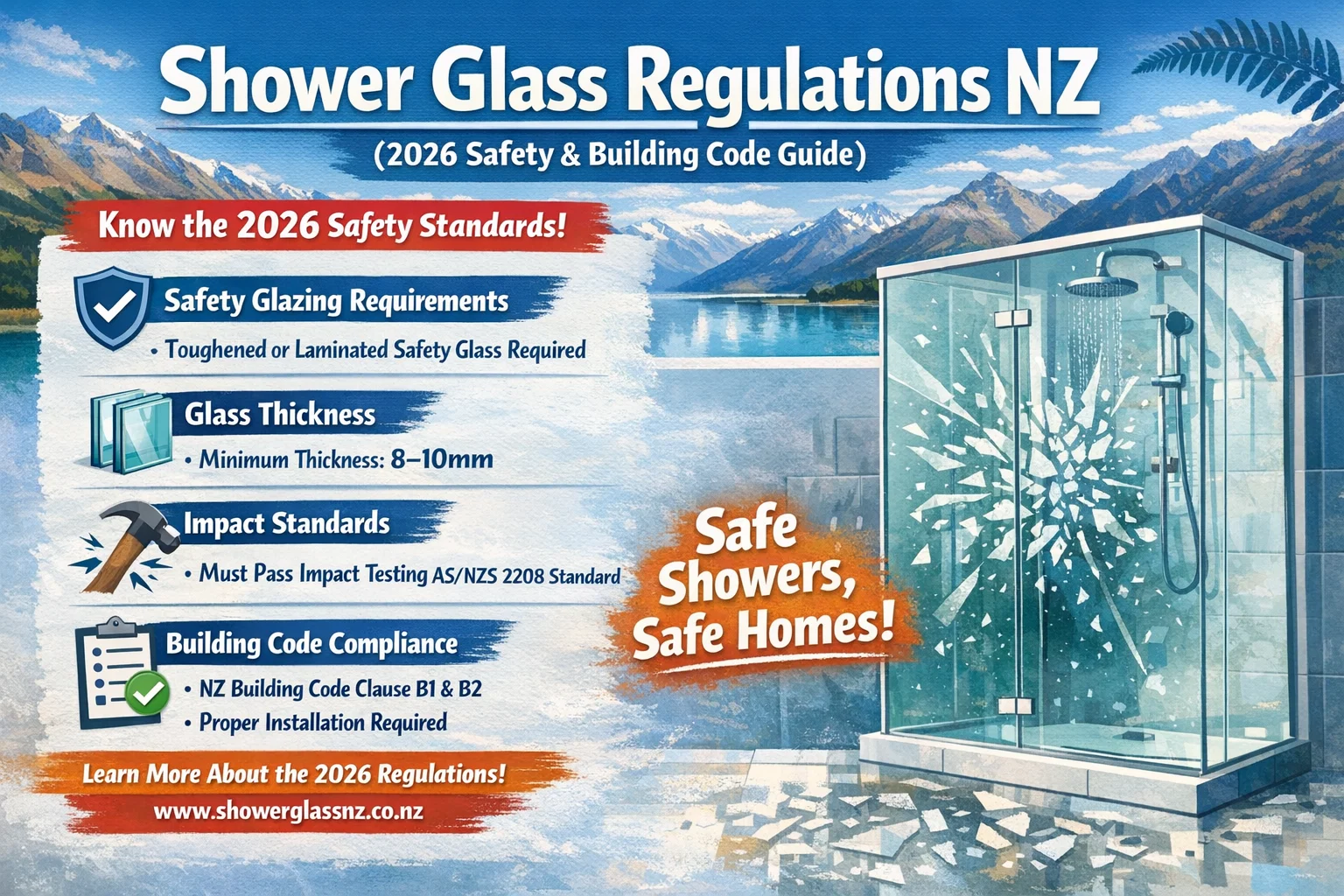
Shower Glass Regulations NZ (2026 Bathroom Safety & Building Code Guide)

Shower Glass Regulations NZ (2026 Bathroom Safety & Building Code Guide)

28/Feb/2026

Installing a shower unit in New Zealand requires more than just choosing a design. Shower glass must comply with the NZ Building Code to ensure safety, durability, and legal compliance.

This guide explains the key shower glass regulations in NZ, including safety glazing requirements, glass thickness, impact resistance, installation standards, and building consent considerations.

  1. Does Shower Glass Need to Comply with the NZ Building Code?

Yes.

Under the NZ Building Code (Clause F2 – Hazardous Building Materials), all shower glass must use safety glazing materials to reduce the risk of injury.

Any glass installed in bathrooms, especially within shower enclosures, must meet recognised safety standards.

  1. What Type of Glass Is Required for Shower Units?

Shower enclosures in New Zealand must use:

  • Toughened safety glass (most common)

  • Or laminated safety glass (in some applications)

Standard float glass is not permitted.

When toughened glass breaks, it shatters into small blunt fragments rather than dangerous shards.

Most residential shower units use:

  • 8mm toughened safety glass

  • 10mm glass for premium frameless systems

All panels must comply with relevant NZ glazing standards.

If you are considering compliant systems, view our Shower Units range here:
https://grandglass.co.nz/shower-units/category/list

  1. Minimum Glass Thickness for Shower Screens

While the Building Code does not always specify exact thickness, industry practice and engineering standards require:

  • 6mm minimum for framed shower screens

  • 8mm or 10mm for frameless or semi-frameless systems

Frameless shower units typically use thicker glass to ensure structural stability.

Glass must be properly edge-finished and free of defects.

  1. Impact and Human Safety Requirements

Shower glass must withstand human impact.

Glass installed in “critical locations” (such as bathrooms and areas within 1500mm of floor level) must comply with impact safety standards.

This ensures that if someone slips in the shower, the glass will not cause severe injury.

Improperly installed or uncertified glass can fail inspection and create liability risks.

  1. Fixings and Hardware Compliance

It is not only the glass that must comply.

Shower hinges, clamps, channels, and fixings must:

  • Be corrosion-resistant

  • Be suitable for wet environments

  • Support the weight of the glass panel

  • Be installed according to manufacturer specifications

Improper hardware installation is one of the most common causes of shower glass failure.

  1. Waterproofing and Installation Standards

Under NZ Building Code Clause E3 (Internal Moisture), bathroom installations must prevent water penetration.

Shower units must:

  • Be installed over compliant waterproofing systems

  • Use appropriate seals

  • Be properly aligned to prevent leakage

Incorrect installation can cause structural damage behind walls and floors.

  1. Do You Need Building Consent for Shower Units?

In most standard bathroom renovations, replacing a shower unit does not require building consent.

However, consent may be required if:

  • Structural elements are altered

  • Waterproofing systems are modified significantly

  • Plumbing layout is changed

Always confirm with your local council or licensed building practitioner.

  1. Frameless vs Framed Shower Units

Both are allowed under NZ regulations if compliant.

Frameless shower units:

  • Modern appearance

  • Typically 8–10mm toughened glass

  • Minimal visual obstruction

Framed shower units:

  • Often more cost-effective

  • 6mm safety glass common

  • Additional structural support from framing

Compliance depends on safety glass certification and proper installation.

  1. Common Compliance Issues with Shower Glass

  • Use of non-safety glass

  • Glass thickness below recommended standard

  • Poor hinge or clamp installation

  • Inadequate waterproofing

  • Lack of documentation

Choosing certified products reduces risk.

  1. Choosing a Compliant Shower Unit in NZ

When selecting a shower unit, ensure:

  • Certified toughened safety glass

  • Proper glass thickness

  • Corrosion-resistant hardware

  • Professional installation

  • Compliance with NZ Building Code

If you need advice on selecting the right system, contact our team here:
https://grandglass.co.nz/contact

FAQs About Shower Glass Regulations NZ

Q1: Is toughened glass required for showers in NZ?
Yes. Safety glazing is mandatory in shower enclosures.

Q2: What thickness glass is used for frameless showers?
Usually 8mm or 10mm toughened safety glass.

Q3: Do I need building consent to replace my shower?
Usually no, unless structural or waterproofing systems are altered.

Q4: Can laminated glass be used in shower units?
Yes, provided it meets safety glazing requirements.

Final Thoughts

Shower glass in New Zealand must comply with strict safety glazing and moisture protection requirements. Using certified toughened glass, compliant hardware, and proper installation ensures safety and long-term durability.

Before installation, confirm:

  • Safety glazing compliance

  • Proper glass thickness

  • Suitable hardware

  • Waterproofing integrity

  • Whether building consent is required

Choosing compliant systems protects your home and ensures peace of mind.


Read more

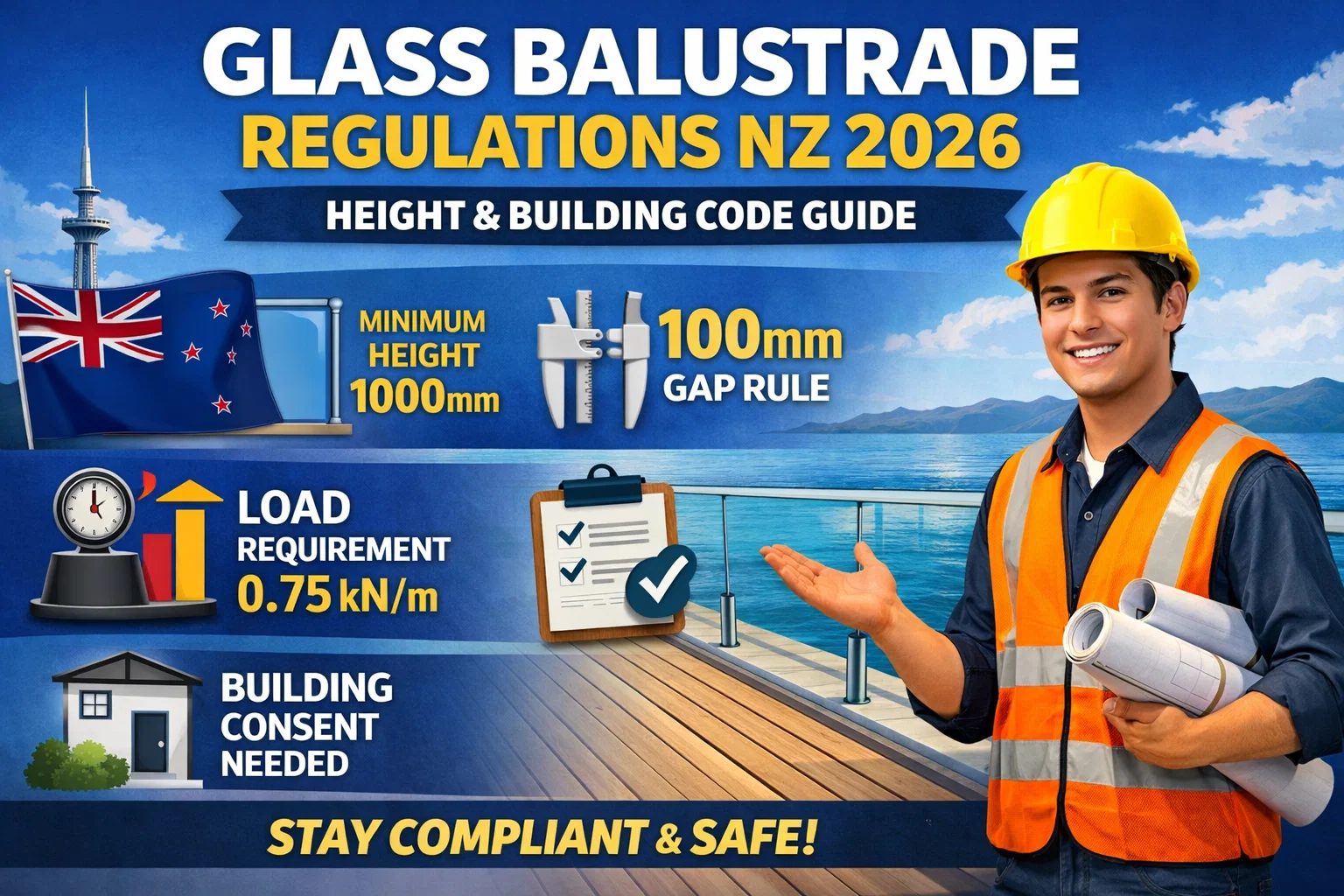
Glass Balustrade Regulations NZ (2026 Height & Building Code Guide)

Glass Balustrade Regulations NZ (2026 Height & Building Code Guide)

28/Feb/2026

If you are installing a glass balustrade in New Zealand, whether for a deck, balcony, or stairway, it must comply with the New Zealand Building Code. Glass balustrades are popular for their modern appearance and unobstructed views, but they are strictly regulated to ensure safety and structural performance.

This guide explains the key glass balustrade regulations in NZ, including height requirements, gap limits, structural loading, safety glass standards, and building consent requirements.

  1. When Is a Balustrade Required in NZ?

Under the New Zealand Building Code Clause F4 (Safety from Falling), a barrier is required when there is a fall of 1 metre or more.

This applies to:

  • Decks

  • Balconies

  • Landings

  • Stairs

  • Mezzanine floors

If the drop is 1 metre or greater, a compliant balustrade must be installed.

  1. Minimum Height Requirements for Glass Balustrades

The required height depends on the location.

Residential decks and balconies:

  • Minimum height: 1000mm

Stairways:

  • Minimum height: 900mm (measured vertically from the stair nosing)

For multi-unit or commercial buildings, higher requirements may apply.

Height is measured from finished floor level on the inside of the balustrade.

  1. Maximum Gap Requirements (100mm Rule)

To prevent children from slipping through, openings must not allow a 100mm sphere to pass through.

This applies to:

  • Gaps between vertical elements

  • Space between glass panels

  • Gap between bottom of glass and floor level

In most residential situations:

  • Maximum opening allowed: 100mm

This is one of the most common compliance failures during inspection.

  1. Structural Load Requirements

Glass balustrades must meet structural load requirements under the Building Code.

Minimum line load requirement:

  • 0.75 kN per metre (residential)

In some situations, higher loads may apply depending on building classification.

The system must be engineered and installed according to manufacturer specifications. Simply using thick glass is not enough — the fixing system must also comply.

  1. Glass Type and Safety Standards

Glass balustrades in NZ must use safety glazing that complies with relevant standards such as NZS 4223 and structural glass requirements.

Typically required:

  • Toughened safety glass

  • Often 10mm or 12mm thick (depending on span and system)

  • Properly edge-finished

  • Installed with compliant spigots, clamps, or channel systems

Frameless systems must be specifically designed for structural performance.

If you are considering compliant systems, view our Glass Balustrade range here:
https://grandglass.co.nz/glass-balustrade-495/category/list

  1. Frameless vs Semi-Frameless Glass Balustrades

Both frameless and semi-frameless glass balustrades are allowed in NZ, provided they meet structural and safety requirements.

Frameless systems:

  • 12mm toughened glass

  • Minimal visual obstruction

  • Modern architectural look

Semi-frameless systems:

  • Glass panels supported by posts

  • Often more cost-effective

  • Easier to engineer for some applications

Compliance depends on installation and engineering, not design style.

  1. Do You Need Building Consent?

In most cases, installing a new glass balustrade requires building consent.

You may need consent if:

  • The balustrade protects a fall of 1 metre or more

  • It is part of a new deck construction

  • It alters structural elements

Auckland Council and other councils require:

  • Building consent approval

  • Inspection after installation

Always confirm with your local council or licensed building practitioner.

  1. Common Reasons Glass Balustrades Fail Inspection

  • Height below 1000mm

  • Gaps exceeding 100mm

  • Incorrect glass thickness

  • Non-compliant fixing hardware

  • Lack of engineering documentation

  • Improper installation

Choosing a certified system reduces risk of rework and delays.

  1. Wind Load Considerations in Coastal Areas

In coastal regions such as Auckland, wind loads can be significant.

Glass balustrade systems must:

  • Be engineered for local wind zones

  • Use compliant fixing methods

  • Meet structural performance requirements

Improper installation can cause compliance failure even if the materials themselves are compliant.

  1. Choosing a Compliant Glass Balustrade in NZ

When selecting a system, ensure:

  • Certified safety glass

  • Engineered structural system

  • Compliant hardware

  • Professional installation

  • Documentation for council approval

If you need assistance selecting a compliant system, contact our team here:
https://grandglass.co.nz/contact

FAQs About Glass Balustrade Regulations NZ

Q1: What is the minimum height for a glass balustrade in NZ?
1000mm for residential decks and balconies, 900mm for stairs.

Q2: What is the maximum gap allowed?
Openings must not allow a 100mm sphere to pass through.

Q3: Can frameless glass meet NZ regulations?
Yes, if engineered and installed according to structural requirements.

Q4: Do I need building consent?
In most cases, yes — especially where fall protection is required.

Final Thoughts

Glass balustrades in New Zealand must comply with strict height, gap, structural load, and safety glazing requirements. Proper planning and selecting a compliant system ensures safety, smooth council approval, and long-term durability.

Before installation, confirm:

  • Height compliance (1000mm)

  • Gap limits (100mm)

  • Structural load performance (0.75 kN/m)

  • Safety glass certification

  • Building consent requirements

A compliant system protects both your property and the people who use it.


Read more

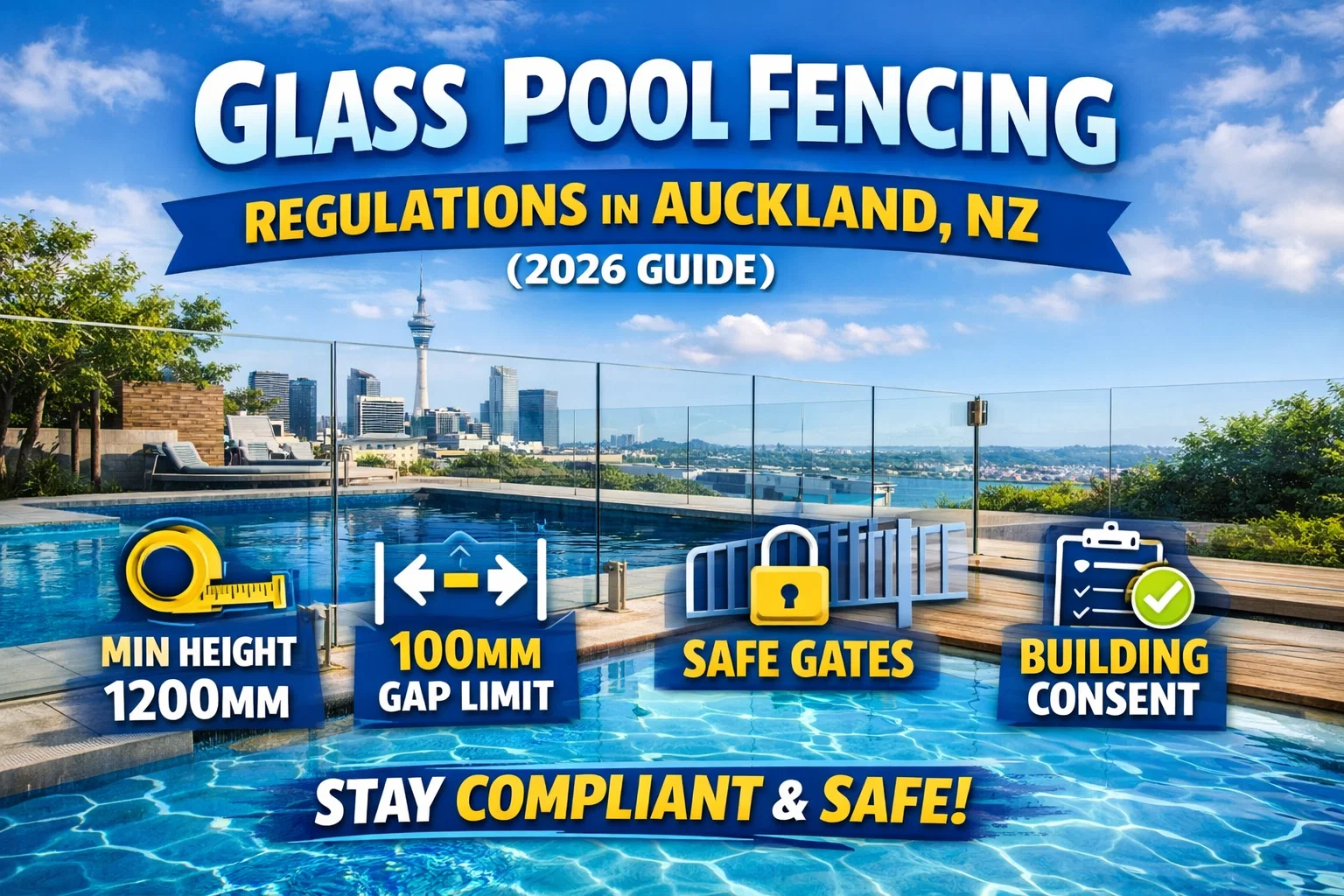
Glass Pool Fencing Regulations in Auckland, NZ (2026 Guide)

Glass Pool Fencing Regulations in Auckland, NZ (2026 Guide)

28/Feb/2026

If you're planning to install glass pool fencing in Auckland, it's essential to understand the current New Zealand safety regulations. Pool barriers are strictly regulated under national law to prevent drowning and ensure child safety.

This guide explains the key glass pool fencing requirements in Auckland, including height, gap limits, gate rules, building consent, and compliance standards.


1. What Law Governs Pool Fencing in New Zealand?

Pool fencing in Auckland is regulated under:

  • Building Act 2004

  • Building Code Clause F9 (Means of Restricting Access to Residential Pools)

  • The Building (Pools) Amendment Act 2016

All residential pools deeper than 400mm must have a compliant barrier.

This applies to:

  • In-ground pools

  • Above-ground pools

  • Spa pools (unless lockable cover compliant)

  • Temporary pools


2. Minimum Height Requirements for Glass Pool Fencing

In Auckland and throughout New Zealand:

  • The minimum height of pool fencing must be 1.2 metres (1200mm).

  • Height is measured from finished ground level outside the pool area.

Important:
There must be no climbable objects within 1.2 metres of the outside of the fence.


3. Maximum Gaps and Spacing Rules

To prevent children from squeezing through, strict spacing rules apply.

Glass panels:

  • No gap greater than 100mm between panels.

  • Gap between the bottom of the glass and ground must not exceed 100mm.

Vertical elements (if used):

  • Openings must not allow a 100mm sphere to pass through.

These requirements are critical for compliance inspection.


4. Glass Requirements – What Type of Glass Is Allowed?

Glass pool fencing must use safety glazing that complies with NZ standards.

Typically required:

  • Toughened safety glass

  • Minimum 10mm or 12mm thick (depending on span)

  • Must comply with NZS 4223 and relevant structural loading standards

All glass panels must be securely fixed using certified spigots, clamps, or channel systems.

If you're considering compliant systems, view our Glass Pool Fencing range here:
https://grandglass.co.nz/glass-pool-fencing/category/list


5. Pool Gate Requirements

Pool gates are one of the most common reasons for failed inspections.

Requirements include:

  • Must open outward (away from pool)

  • Must be self-closing

  • Must be self-latching

  • Latch must be at least 1500mm above ground OR inaccessible to small children

Regular maintenance is required to ensure gates close automatically.

See compliant Glass Gate Systems here:
https://grandglass.co.nz/product/category/glass-gate-system


6. Do You Need Building Consent in Auckland?

In most cases, installing a new pool fence in Auckland requires building consent.

Auckland Council requires:

  • Building consent application

  • Final inspection after installation

  • Mandatory pool barrier inspections every 3 years

Failure to comply may result in fines.

Always confirm requirements with Auckland Council or a licensed building practitioner.


7. Wind Load and Structural Compliance

Auckland's coastal conditions mean wind loads must be considered.

Glass pool fencing systems must:

  • Be structurally engineered

  • Meet load resistance standards

  • Be installed according to manufacturer specifications

Improper installation can cause compliance failure even if materials are compliant.


8. Frameless vs Semi-Frameless Glass Pool Fencing

Both are allowed under NZ regulations if compliant.

Frameless:

  • Clean, modern look

  • 12mm toughened glass

  • Spigot or channel system

Semi-frameless:

  • Uses posts between panels

  • Often more cost-effective

The key factor is compliance, not design style.


9. Common Reasons Pool Fences Fail Inspection in Auckland

  • Gate does not self-close

  • Latch too low

  • Gaps larger than 100mm

  • Climbable objects near fence

  • Fence height below 1200mm

  • Incorrect glass thickness

Pre-inspection checks can save time and rework costs.


10. Choosing a Compliant Glass Pool Fence in Auckland

When selecting a system, ensure:

  • Certified safety glass

  • Compliant hardware

  • Professional installation

  • Documentation for council approval

If you're unsure which system suits your property, get in touch:
https://grandglass.co.nz/contact


FAQs About Glass Pool Fencing in Auckland

Q1: What is the minimum height for glass pool fencing in Auckland?
1200mm from finished ground level.

Q2: What is the maximum gap allowed?
No more than 100mm.

Q3: Does frameless glass meet Auckland regulations?
Yes, if it meets structural and safety glazing standards.

Q4: Do spa pools need fencing?
If not fitted with an approved lockable cover, yes.

Q5: How often are pool fences inspected?
Auckland Council requires inspection every 3 years.


Final Thoughts

Glass pool fencing in Auckland must meet strict safety regulations designed to protect children and comply with national building laws.

Before installation, confirm:

  • Height compliance (1200mm)

  • Gap limits (100mm)

  • Certified safety glass

  • Compliant gate hardware

  • Building consent requirements

Choosing the right system ensures safety, avoids fines, and guarantees smooth council approval.


Read more

Frequently Asked Questions About Glass Pool Fencing in New Zealand

Frequently Asked Questions About Glass Pool Fencing in New Zealand

27/Jan/2026

In New Zealand, installing a pool fence is not just a design choice — it is a legal safety requirement. While glass pool fencing is one of the most commonly approved solutions, many homeowners are surprised to discover that installations can still fail council inspection due to small but critical details.

This guide explains how glass pool fencing is assessed in real New Zealand inspections, the most common compliance mistakes, and how to choose a system that meets both safety and practical requirements.


How Pool Fence Inspections Work in New Zealand

Local councils are responsible for assessing pool fence compliance. While procedures vary slightly between regions, inspectors generally focus on risk prevention, not appearance.

They are looking for one thing:
Can a young child access the pool area without adult supervision?

Glass pool fencing performs well during inspections because it removes many common loopholes found in timber or aluminium fences — but only when installed correctly.


The Most Common Reasons Glass Pool Fencing Fails Inspection

1. Fence Height Reduced After Landscaping or Decking

New Zealand regulations require a minimum fence height of 1.2 metres, measured from the finished ground level.

A frequent failure occurs when:

  • Decking is added after fence installation

  • Ground levels change due to landscaping

  • Sloped areas are measured incorrectly

Inspectors measure from the final surface, not the original build height. Glass panels offer consistent factory heights, but site conditions must be finalised before inspection.


2. Climbable Zones Are Overlooked

One of the most misunderstood inspection rules is the non-climbable zone around the pool fence.

Common issues include:

  • Outdoor furniture placed near glass panels

  • Planter boxes or retaining walls within reach

  • Pool pumps, heat pumps, or filter units too close to the fence line

Because glass fencing is transparent, homeowners often forget that climbable objects still pose a risk — inspectors do not.


3. Pool Gates That Do Not Close Reliably

A pool fence is only as strong as its gate.

Inspectors will test:

  • Whether the gate self-closes from different opening angles

  • If the latch engages every time

  • Whether wind affects the closing mechanism

A gate that closes “most of the time” will fail inspection. Using a certified glass gate system with self-closing hinges is essential.

You can view compliant gate hardware here:
https://grandglass.co.nz/product/category/glass-gate-system


Why Glass Pool Fencing Is Often Easier to Approve

Compared to other fence types, glass pool fencing offers several compliance advantages:

  • Fixed panel heights reduce measurement errors

  • Minimal gaps simplify safety assessment

  • Strong fixing systems perform well in high-wind and coastal environments

  • Clear visibility improves supervision without compromising safety

For homeowners who want to minimise inspection risk, selecting a complete glass pool fencing system designed for New Zealand conditions is often the most reliable approach.

Explore compliant systems here:
https://grandglass.co.nz/glass-pool-fencing/category/list


Frameless vs Semi-Frameless Glass Pool Fencing: Inspection Perspective

Both frameless and semi-frameless systems can pass inspection, but inspectors often favour designs with fewer climbable features.

Frameless glass fencing

  • Fewer footholds

  • Cleaner measurement lines

  • Popular for modern homes and decks

Semi-frameless glass fencing

  • Additional posts for structural support

  • Common in high-wind or uneven ground areas

  • Requires careful post spacing and fixing compliance

The right choice depends on site conditions, not just appearance.


Practical Checklist Before Booking a Council Inspection

Before requesting inspection approval, homeowners should:

  • Test all pool gates repeatedly from different angles

  • Remove furniture and movable objects near the fence

  • Confirm fence height after all landscaping is complete

  • Check that hinges, clamps, and fixings are secure

These steps alone prevent a large percentage of failed inspections.


Is Glass Pool Fencing the Right Choice for Your Property?

For most New Zealand homes, glass pool fencing offers a strong balance of safety, inspection reliability, and long-term durability. When installed correctly, it aligns well with council expectations and modern outdoor living needs.

If you are unsure which system suits your property or want to avoid costly inspection failures, expert advice can make a significant difference.

Get professional support here:
https://grandglass.co.nz/contact


Frequently Asked Questions About Glass Pool Fencing in New Zealand

Do glass pool fences meet New Zealand safety regulations?
Yes. When installed correctly, glass pool fencing fully complies with New Zealand pool safety requirements. The key is meeting minimum height rules, non-climbable zone requirements, and using self-closing, self-latching gates approved for pool use.

Why do some glass pool fences fail council inspection?
Most failures are caused by installation details rather than the glass itself. Common issues include reduced fence height after landscaping, climbable objects placed too close to the fence, and pool gates that do not self-close reliably in all conditions.

Is frameless glass pool fencing easier to approve than other fence types?
In many cases, yes. Frameless glass fencing reduces footholds and visual obstructions, making compliance checks more straightforward for inspectors. However, it still must be installed with compliant fixings and correct spacing.

How high does a glass pool fence need to be in New Zealand?
The minimum required height is typically 1.2 metres, measured from the finished ground or deck level. Any changes to ground levels after installation can affect compliance.

Can furniture or pool equipment cause a failed inspection?
Yes. Items such as outdoor chairs, planter boxes, heat pumps, or pool pumps placed near the fence may be considered climbable objects and lead to inspection failure.

Do glass pool fence gates need to close automatically?
Yes. All pool gates must be self-closing and self-latching. Inspectors will test gates multiple times and from different opening angles to ensure reliable closing.

Is glass pool fencing suitable for coastal or high-wind areas in New Zealand?
Quality glass pool fencing systems designed for New Zealand conditions perform well in coastal and windy areas, provided correct glass thickness and fixings are used.

Do I need council approval before installing a glass pool fence?
Installation itself usually does not require prior approval, but the completed fence must pass council inspection before the pool can be legally used.

Is glass pool fencing worth the investment?
For many New Zealand homeowners, glass pool fencing offers long-term value through compliance reliability, low maintenance, and improved property appeal.


Read more

What Are the Rules for Deck Balustrades in New Zealand?

What Are the Rules for Deck Balustrades in New Zealand?

27/Jan/2026

In New Zealand, ensuring the safety and compliance of deck balustrades is not just a matter of aesthetics but also a legal requirement. Whether you're building a new deck or renovating an existing one, understanding the regulations surrounding deck balustrades is crucial for ensuring safety, as well as meeting legal requirements. New Zealand's building code sets out specific rules for deck balustrades to protect the health and safety of occupants and visitors.

This blog will explore the essential regulations and guidelines for deck balustrades in New Zealand, including key building code requirements, material options, and design considerations.

1. Regulations for Deck Balustrade Height

According to the New Zealand Building Code, deck balustrades must meet specific height requirements to ensure safety. For decks or balconies that are more than 1 meter above ground level, the minimum height for balustrades is set at 1 meter (1000mm). This regulation is crucial to prevent falls and ensure the safety of anyone using the deck.

For certain properties, such as residential decks that face public walkways or where children are likely to play, additional safety considerations may apply. It's essential to verify these details with a licensed builder or contractor familiar with local requirements.

  • Residential Decks (1 meter or more above the ground): Minimum height of 1 meter.

  • Balustrades on decks less than 1 meter high: A balustrade may not be required, but a barrier is necessary to prevent falls if there is any risk.

2. Load Resistance and Wind Requirements

Another key consideration is that deck balustrades must be designed to withstand specific loads, ensuring they are robust enough to handle the force of impacts, wind loads, and other external pressures.

  • Wind Load: Deck balustrades must be able to resist wind pressure according to the building’s location. In coastal areas, for example, where winds are stronger, the load resistance requirements are higher.

  • Load Resistance: The minimum load resistance required for balustrades is 0.75 kN/m (kilonewtons per meter), as specified by the New Zealand Building Code. This is critical to prevent any potential failure of the balustrade due to force exerted by people or other objects.

For glass pool fencing or frameless glass balustrades, it's essential to ensure the material used meets these load resistance standards. These materials are often preferred for their aesthetics, but they must meet the same structural requirements as traditional balustrades.

3. Safety Glass for Deck Balustrades

In New Zealand, toughened safety glass is the most commonly used material for deck balustrades. Not only does it provide a modern and sleek appearance, but it is also strong and designed to prevent injury in the event of a breakage. Safety glass shatters into small, blunt pieces that are less likely to cause serious harm.

The NZS 4211:2008 standard outlines the specific requirements for glass balustrades in terms of impact resistance and safety. If you're considering frameless glass balustrades for your deck, ensure that the glass used is toughened and laminated, as these offer better impact resistance.

Additionally, glass pool fencing must adhere to the same stringent safety glass requirements. This ensures that whether you're building a balustrade for a deck or a pool area, the glass will be safe and durable.

For more details on glass pool fencing and frameless glass balustrades, visit our Glass Pool Fencing and Glass Balustrade Auckland pages.

4. Spacing and Gaps Between Posts

The gap between the balustrade posts is an essential safety feature, particularly when children are present. According to the Building Code, the space between balustrade posts should not exceed 100mm. This regulation helps prevent children from slipping through or getting stuck between the posts.

In addition to post spacing, the glass panels used in balustrades must be properly secured. The NZS 4211:2008 standard specifies that glass balustrades should use high-quality fixings, such as clamps or channel systems, to ensure stability and compliance with safety standards.

5. Design and Aesthetic Considerations

While safety is the top priority, the design and aesthetics of the deck balustrade are also important. Glass balustrades are a popular choice in New Zealand due to their clean, modern look, which allows for unobstructed views of the surroundings.

  • Frameless Glass Balustrades: These provide a sleek, minimalist design and are ideal for properties with scenic views, as they don't block the view while maintaining safety.

  • Timber or Metal Balustrades: These materials are also used for deck fencing, offering a more traditional look. They are often chosen for their durability and the variety of design options available.

For those interested in frameless glass balustrades or glass pool fencing, it’s crucial to ensure that the design complies with the safety regulations while meeting your aesthetic needs.

6. Council Approval and Inspections

Before installing deck balustrades, council approval is often required. This is to ensure that the work complies with the New Zealand Building Code and local council requirements. A building consent application should be submitted, which includes providing details about the design and materials used.

Once the balustrades are installed, a building inspector will conduct an inspection to ensure compliance with the relevant safety regulations. It’s important to choose a reputable contractor who understands the regulatory framework and can guide you through this process to avoid delays or complications.

7. FAQs About Deck Balustrades in New Zealand

Q1: What are the height requirements for deck balustrades in New Zealand?
The minimum height requirement for deck balustrades is 1 meter (1000mm) for decks that are more than 1 meter above ground level. This ensures that the balustrade offers sufficient fall protection.

Q2: Can I use frameless glass for my deck balustrades?
Yes, frameless glass balustrades are a popular choice in New Zealand. However, the glass must meet safety standards, such as being toughened and laminated, and must comply with the NZS 4211:2008 standard for impact resistance.

Q3: What are the requirements for pool fencing in New Zealand?
Glass pool fencing in New Zealand must comply with similar standards as deck balustrades. The fence must be at least 1 meter high, with gaps between posts no larger than 100mm. Additionally, safety glass must be used, and the fence should be designed to resist wind and load pressures.

Q4: Do I need council approval for my deck balustrade installation?
Yes, in most cases, you will need to apply for building consent before installing deck balustrades. Once the installation is complete, a building inspector will verify compliance with safety regulations.


Read more

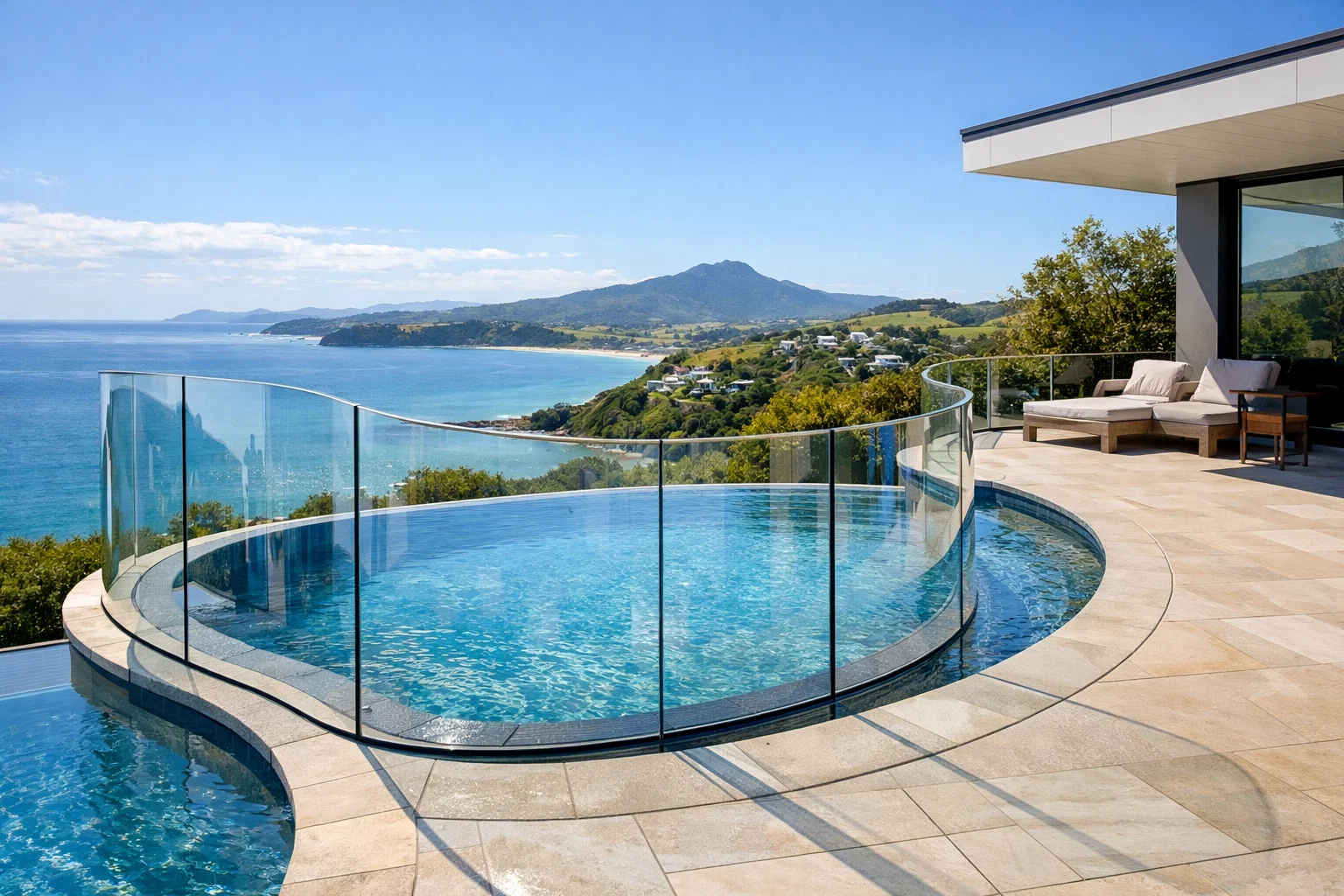
Coated Curved Glass Panels for Pool Fencing and Modern Architecture in New Zealand

Coated Curved Glass Panels for Pool Fencing and Modern Architecture in New Zealand

08/Jan/2026

Why Choose Coated Curved Glass Panels?

If you’re looking to elevate your property with stylish, durable, and safe glass fencing or balustrades, the Coated Curved Glass Panel is the perfect solution. Made from high-quality, NZ-certified safety glass, these panels provide both aesthetic appeal and exceptional functionality for various applications, including pool fencing, glass balustrades, and modern architectural designs. This blog will introduce you to the key features and benefits of this product and help you understand why it's becoming a preferred choice for homeowners and architects in New Zealand.

What Makes the Coated Curved Glass Panel Unique?

The Coated Curved Glass Panel is crafted from 12mm thick, clear NZ-certified safety glass and features a durable nano-coating on both sides. This coating not only enhances the glass's appearance but also adds protection against dirt, fingerprints, and water stains, making it incredibly easy to maintain.

With dimensions of 1200mm height and 1178mm width, and a curvature radius of 750mm, these panels offer a sleek, modern aesthetic that fits seamlessly into any design. The curved glass ensures that your pool area or balcony looks elegant while providing unobstructed views, making them ideal for creating a contemporary look with a timeless appeal.

Key Benefits of the Coated Curved Glass Panel

The Coated Curved Glass Panel is not only a visually striking choice for your home or business, but it also offers several practical benefits that make it stand out among other options. Let’s dive into what makes this product so special:

  • Enhanced Durability: The nano-coating on the glass provides superior protection against environmental elements such as rain, dirt, and UV rays. This ensures that your panels stay clear and vibrant over time, even in New Zealand’s changing weather.
  • Modern and Elegant Aesthetic: The curved design adds a sophisticated, fluid look to your pool fencing or balustrades. It’s a perfect solution for anyone wanting to enhance the appearance of their property with a modern touch.
  • Safety First: Made from NZ-certified safety glass, the panel meets all necessary safety standards for pool fencing and other applications. It provides a secure and sturdy barrier while maintaining an open, airy feel to your space.
  • Easy Maintenance: The nano-coating significantly reduces the accumulation of grime and stains, which means you’ll spend less time cleaning. A simple wipe with a damp cloth is usually enough to keep your panels looking brand new.

Perfect for Pool Fencing and Glass Balustrades

One of the most popular uses of the Coated Curved Glass Panel is in pool fencing. In New Zealand, strict regulations require pool fences to meet specific safety standards. The Coated Curved Glass Panel not only meets those standards but also adds an elegant and contemporary touch to your outdoor area.

Whether you’re designing a new pool area or upgrading an existing one, these panels create a sleek and secure enclosure that doesn’t block the view of your pool. The curved glass design gives your outdoor space a clean, fluid look, while ensuring that the safety and security of your pool are never compromised.

Beyond pool fencing, these panels also work wonderfully as glass balustrades. Ideal for balconies, staircases, or terraces, they provide a modern, open feel to any space while offering a safe barrier. The Coated Curved Glass Panel is a popular choice for homes with stunning views, as the glass doesn’t obstruct sightlines and enhances the overall aesthetic of your property.

If you're looking for additional options, explore our glass balustrades collection for more inspiration.

How to Install Coated Curved Glass Panels

Installing the Coated Curved Glass Panel requires careful planning and professional installation to ensure both safety and longevity. The following steps outline the general process:

  1. Measure the Installation Area: Accurate measurements are essential to ensure the panels fit perfectly. The curved design requires careful attention to the installation area to ensure the glass is securely supported.
  2. Install the Support Frame: A solid frame or support system is needed to secure the glass panels. Ensure that the frame is level and securely anchored to provide the necessary support for the panels.
  3. Position the Glass Panels: Carefully place the panels into the frame, ensuring they align perfectly with the surrounding structure. It’s important that the panels are fitted properly to ensure stability and safety.
  4. Final Check and Adjustment: After installation, check the panels for stability and alignment. Make any necessary adjustments to ensure that the glass is secure and the installation is complete.

We highly recommend working with a professional installer to ensure the panels are safely and correctly installed. If you need help with installation or have any questions, don’t hesitate to contact us for expert guidance.

Coated Curved Glass Panel: Ideal for Various Architectural Designs

In addition to being a fantastic option for pool fencing and glass balustrades, the Coated Curved Glass Panel is also ideal for other architectural and landscaping applications. Its versatile design allows it to be incorporated into a variety of projects, including:

  • Garden Walls: Use the curved glass panels as part of a garden wall to create a visually striking feature that blends with the natural landscape.
  • Terraces and Roof Gardens: For rooftop or terrace gardens, the panels provide safety and a modern look without obstructing the view.
  • Landscaping Features: Incorporate the panels into outdoor spaces to define different areas, such as separating a seating area from a garden or pool.

Thanks to the coated curved glass panel’s durability, ease of maintenance, and aesthetic appeal, it’s the perfect choice for any project that demands a high-quality, stylish, and functional solution.

Order Your Coated Curved Glass Panels Today!

The Coated Curved Glass Panel is available now, with stock currently at 10+ units. Priced at NZ$358.20 + GST, it’s a great investment for anyone looking to upgrade their outdoor space or add modern glass features to their property.

For more information about the Coated Curved Glass Panel or to place an order, visit the product page: Coated Curved Panel 1200mmH-1178mm W - Radius 750mm.

If you have any questions or need assistance with your purchase, don’t hesitate to contact us.

Conclusion

The Coated Curved Glass Panel offers the perfect combination of beauty, safety, and functionality. Whether you’re enhancing your pool area, creating a modern balustrade, or incorporating the panels into your landscaping design, this product will provide a stylish and durable solution. Order yours today and transform your property with this high-quality, contemporary product.


Read more

NZ pool safety warning: All pools over 40cm must be fenced this summer – what homeowners must know (2025)

NZ pool safety warning: All pools over 40cm must be fenced this summer – what homeowners must know (2025)

11/Dec/2025

New Zealand has one of the strictest pool safety standards in the world, and one of the most important rules is also one of the least understood by homeowners. The New Zealand Building Code requires that any pool capable of holding water to a depth of 40 centimetres (40cm) or more must be enclosed by a compliant pool barrier or pool fence. This requirement exists for one clear purpose: preventing children under five from gaining unsupervised access to water.

However, thousands of homeowners are unaware of this requirement, particularly when it comes to inflatable summer pools, temporary backyard pools, framed pools or portable spa pools. Every summer, water-related hospital admissions and tragic drowning accidents are reported across New Zealand, and many of these cases involve shallow water, small pools and backyard settings. That is why the 40cm rule matters. It applies even when the pool is temporary, seasonal, located in a private backyard, or intended only for children’s use.

Why the “40cm Rule” Exists in New Zealand

Many people mistakenly assume that drowning can only happen in deep water. The reality is very different. Toddlers can drown silently in extremely shallow water, especially if they fall in head-first and are unable to climb out. A pool with only 40cm of water creates a drowning hazard for young children, and that risk increases dramatically when a parent or caregiver is distracted even for a short moment.

Research and coronial investigations in New Zealand repeatedly show that drowning in shallow water often involves young children, unexpected circumstances and extremely short timeframes. Because of this, New Zealand law focuses on risk and access rather than the appearance or purpose of the pool.

Which Types of Pools Must Be Fenced?

Under the Building Act, any residential pool that can hold water at a depth of 400mm (40cm) or more must be surrounded by a compliant pool barrier. It does not matter whether the water level is currently below 40cm – what matters is the potential depth of the pool when filled.

This requirement applies to:

  • In-ground swimming pools
  • Above-ground pools
  • Framed or portable backyard pools
  • Inflatable or soft-walled summer pools
  • Outdoor spa pools and hot tubs that do not have secure locking lids
  • Plunge pools and water features deeper than 40cm

The purpose of this law is simple: if a young child could fall into a body of water deeper than 40cm and struggle to get out, the pool must be fenced.

Are Temporary Pools Included?

Yes. This surprises many families in New Zealand, especially during summer. Portable pools, framed pools and inflatable pools are extremely popular, but once they exceed the 40cm depth threshold, they legally become “residential pools” under the Building Act. That means they must be enclosed by a compliant pool fence unless they are immediately drained after each use.

Many families buy a large “temporary pool” from a DIY store, fill it to a comfortable level, and assume that because it is only used for summer, fencing rules do not apply. Unfortunately, this assumption is incorrect and creates compliance risk and child safety risk. The law applies to potential depth, not how long the pool will be installed.

What About Spa Pools and Hot Tubs?

If a spa pool or hot tub can hold more than 40cm of water, a barrier is required unless it has a compliant locking lid that prevents access when the spa is not in use. A secure lid is acceptable only when it meets all safety requirements, including being lockable, non-climbable and always kept closed and locked when not being used.

If your spa pool does not meet these criteria, then it must be fenced like a standard pool.

How Homeowners Accidentally Break the Law

Most non-compliance issues occur because homeowners simply do not realise that the rule applies to temporary pools, seasonal setups or children’s play pools in backyards. Others believe that high above-ground pools do not need fences because the walls appear high. But if a ladder, deck, planter box or furniture allows a child to climb up and fall in, the law treats the pool as requiring a compliant barrier.

In addition, many portable pools marketed online as “summer toys” are actually large enough to exceed 40cm depth when filled. These pools are often inexpensive to purchase, but create major safety obligations as soon as water exceeds the depth threshold.

The safest and most practical solution is to treat all backyard water deeper than 40cm as a serious drowning hazard and plan for compliance before use.

What Is Considered a “Compliant Pool Barrier” Under New Zealand Law?

Many homeowners are surprised to learn that a compliant pool barrier is more than a basic fence. The New Zealand Building Code sets out specific technical requirements designed to prevent young children from climbing over, crawling beneath or opening the barrier without supervision. These requirements apply equally to permanent pools, above-ground pools and temporary pools that exceed the 40cm depth threshold.

To be compliant, a barrier must meet a number of performance criteria, including minimum height, safe gate design, non-climbable surfaces and secure fixing points. The barrier must form a continuous enclosure around the pool area so that children cannot gain access from any direction. When correctly installed and maintained, a pool barrier dramatically reduces drowning risk and satisfies council inspection requirements.

Minimum Height Requirements

All residential pool barriers in New Zealand must be at least 1.2 metres high from finished ground level. In some situations, sloping ground, landscaping or retaining walls may change the effective height, so it is important to verify this measurement from the highest ground level within reach of the barrier.

Glass pool fencing systems are designed to exceed this requirement by using 1200mm or higher toughened safety glass panels. This ensures compliance without relying on additional railing structures, meaning homeowners achieve a clean, frameless appearance while still meeting their legal obligations.

Gate Requirements and Self-Latching Hardware

Pool gates must open away from the pool area, must self-close and must self-latch from any position. A common inspection failure occurs when gates only latch when closed gently, or when hinges become worn and no longer close fully over time.

A compliant gate system must incorporate self-closing hinges and a reliable latch that cannot easily be reached or operated by young children. Latches must be positioned at least 1.5 metres above ground or otherwise located so they are inaccessible to children. This is why dedicated glass gate systems are essential: they are specifically engineered for pool applications rather than adapted from generic door hardware.

Non-Climbable Surfaces

The underside, front and rear of the pool barrier must be free of footholds that enable climbing. This includes horizontal rails, fence ornaments, or protruding elements that a child could step on. Vertical surfaces such as frameless glass naturally discourage climbing because they present smooth, continuous barriers without ledges.

It is also the homeowner’s responsibility to ensure that movable objects such as boxes, outdoor furniture, garden pots, toys or ladders are not placed in positions where they could be used to climb over the barrier. Council inspectors frequently identify this as a preventable hazard in backyards.

Ground Clearance and Gaps

The gap between the bottom of the pool barrier and finished ground level must be small enough to prevent children from crawling underneath. Uneven ground, loose soil or shifting timber decking can increase these gaps over time. Regular inspection is essential to ensure barriers remain compliant throughout their lifespan, especially after landscaping work or prolonged weather exposure.

Common Inspection Failures in New Zealand Backyards

Despite good intentions, many backyard pool setups fail council inspection due to easily avoidable issues. These include:

  • gates not self-latching from fully open positions
  • hinges or latches malfunctioning or installed incorrectly
  • furniture or planter boxes placed near the barrier
  • boundary fences used incorrectly as pool barriers
  • inadequate height due to landscaping changes
  • holes or gaps caused by timber movement or ground erosion
  • non-compliant latch height or easily accessible latches

Parents sometimes wedge pool gates open during social events or maintenance activities. This not only breaches compliance but completely defeats the purpose of the barrier. Temporary disabling of the gate creates the same level of risk as having no fence at all.

How Toughened Glass Supports NZ Pool Compliance

Frameless and semi-frameless glass pool fencing offers several advantages over timber or aluminium systems when it comes to compliance. Because the panels are tall, smooth and mounted vertically without footholds, glass significantly reduces opportunities for children to climb. Glass is also inherently durable, resistant to corrosion and extremely hard to break under normal conditions when correctly installed using toughened safety glass.

Channel systems and mini-post systems not only provide visual elegance but also offer structural stability that meets New Zealand environmental conditions. Unlike timber fences that may warp, rot or provide footholds, glass delivers long-term compliance with minimal maintenance requirements.

How to Check Whether Your Pool or Spa Is Compliant Right Now

If you currently own a pool, spa pool or large portable pool capable of holding more than 40cm of water, a quick inspection can help identify obvious compliance issues. This checklist does not replace council advice or professional installation guidelines, but it will help you decide whether your property may require upgrades.

  • Does the pool area have a continuous barrier at least 1.2 metres high?
  • Is there a dedicated gate that opens away from the pool area?
  • Does the gate fully self-close and self-latch from any position?
  • Is the latch placed high enough and concealed from children?
  • Are there any boxes, chairs, BBQ units, toys or pots near the barrier that could be used for climbing?
  • Is the ground clearance small enough to prevent a child from crawling under the fence?
  • Are there garden walls, retaining edges, or furniture that reduce the effective barrier height?
  • If using a spa pool lid, does it actually lock in place and is it always used?

Even one “no” answer should prompt further action. The requirement to fence pools deeper than 40cm has been repeatedly emphasised by councils and Building Performance NZ because accidental access by young children happens silently, quickly and without warning.

Why DIY Solutions Are Not Always Safe

Some families temporarily block access to pools by using outdoor furniture, garden gates, trellis panels or improvised barriers. Unfortunately, these temporary fixes do not meet building standards and do not prevent climbing or access by young children. Councils treat improvised barriers the same as having no barrier at all, which can result in a notice to fix or enforcement.

For this reason, modern pool gate systems and glass pool fencing solutions are strongly recommended. They provide consistent acoustic and physical closure, while also meeting the required latch height, self-closing operation and climb-resistant design features required for compliance.

How to Make Temporary or Portable Pools Safer

For many households, temporary above-ground pools and inflatable summer pools are convenient and inexpensive. But once they exceed 40cm depth, they require proper fencing. A safer alternative is to use shallow paddling pools that remain well below the 40cm threshold and are drained immediately after use.

If you intend to keep a portable pool filled for extended periods, it must be fenced. If fencing is not practical, it is safer and more compliant to avoid deep temporary pools completely. A better long-term solution is to install a permanent pool barrier that allows safe use all summer without compromise.

Seasonal Safety and Summer Reminders

New Zealand councils and water safety organisations repeatedly remind homeowners that backyard pool safety is a seasonal responsibility. During warmer months, portable pool sales increase, outdoor entertaining becomes frequent and young children spend more time outdoors. These seasonal patterns lead to higher risk, which is why the 40cm rule receives renewed attention each summer.

Homeowners should take action before summer by reviewing barriers, checking hinges, confirming latch operation, clearing climbable objects and upgrading gates if necessary. Waiting until peak season increases both safety risk and the chance of enforcement.

Considering an Upgrade to Modern Glass Pool Fencing

For many homeowners, upgrading to durable frameless glass is not only a compliance decision but also a long-term investment. A compliant glass barrier provides:

  • long-term structural performance
  • strong resistance to corrosion in coastal zones
  • a modern architectural appearance
  • clear visibility for supervision
  • a designer finish that increases property appeal
  • compatibility with self-closing gate systems

Because New Zealand weather conditions vary dramatically across coastal and inland regions, a system-level approach that includes glass, spigots, hinges and latches is essential. Professional glass gate systems ensure reliable closure and safer operation over time.

When to Contact a Specialist

If you are uncertain whether your pool meets the 40cm rule, or if you are considering installing a new pool or upgrading an existing barrier, contacting a specialist supplier is the safest step. A knowledgeable supplier can advise on suitable systems, compliance requirements, installation methods and gate hardware options suited for New Zealand environments.

Grand Glass & Hardware supplies complete pool fencing systems, including toughened glass panels, channel systems, mini posts, glass gate hardware and pool-grade finishes. Our solutions support compliance by pairing modern design with functional engineering and long-term durability.

Final Thoughts: Why the 40cm Rule Matters

New Zealand’s 40cm rule is straightforward in purpose: preventing unsupervised child access to water. It applies to permanent pools, portable pools and spa pools because risk does not depend on price or permanence — only depth and accessibility.

If your pool or spa can hold 40cm of water, it requires a compliant barrier. If your gate does not self-close, it must be upgraded. If your spa does not have a locking lid, fencing is required. These rules are not optional, and the consequences of ignoring them can be devastating.

Now is the best time to review your pool area, make necessary changes and ensure that your outdoor space meets the building code before summer. If you would like advice or a quote, you can get in touch for support and system recommendations tailored to your project and location.


Read more

New Zealand Glass Systems Guide: Pool Fencing, Balustrades, Handrails & Shower Units Explained (2025 Update)

New Zealand Glass Systems Guide: Pool Fencing, Balustrades, Handrails & Shower Units Explained (2025 Update)

11/Dec/2025

New Zealand architecture has evolved dramatically in the last decade. Modern homes in cities like Auckland, Wellington and Christchurch increasingly prefer open views, coastal design, and seamless indoor-outdoor transitions. One of the most visible trends is the fast growth of glass-based building systems—especially glass pool fencing, glass balustrades, walk-in shower units, modern handrails and complete glass hardware systems.

In the past, fencing and balustrades mostly relied on timber, aluminium or steel. Today glass is the dominant choice across new builds and renovations. Property owners want safety without blocking views, especially around pools, balconies and decks. But beyond aesthetics, New Zealand has strict building and pool fencing regulations that shape material choices. High-strength toughened glass, supported by certified hardware, is now considered one of the most compliant, reliable and visually appealing solutions.

Why Glass Is Replacing Traditional Materials in New Zealand

Most homeowners and builders choose glass for three reasons: modern aesthetics, long-term durability and better building code compliance. Timber fencing deteriorates quickly under coastal weather. Steel railings block views and require ongoing painting or powder coating. Aluminium is popular but still visually heavier than frameless glass.

By contrast, glass is:

Modern Glass Shower Systems in New Zealand Homes

One of the fastest growing categories at Grand Glass is the comprehensive glass shower hardware and shower unit range. These complete shower systems are designed to simplify bathroom renovations by supplying matching glass panels, hinges, sliders, clamps and waterproofing accessories in a single order. This ensures compatibility, easier installation and a premium architectural finish.

Bathroom design in New Zealand has changed significantly in recent years. Homeowners increasingly prefer walk-in units, frameless structures and minimalist fittings. Traditional framed shower sets are being replaced with frameless designs that visually enlarge bathrooms, improve light flow and create luxury hotel aesthetics inside residential homes.

Types of Shower Systems Available

Grand Glass provides popular shower configurations including:

  • Hinged shower units – 3 piece
  • Hinged shower units – 4 piece
  • Alcove hinged units
  • Walk-in shower assemblies
  • Angle hinged showers
  • Sliding shower units (rectangle & alcove)

Each of these systems is engineered around practical water sealing, glass strength and durable hinges. The components are coordinated, ensuring the door, panels and clamps match correctly. Many homeowners and builders appreciate this pre-configured approach because it removes installation guesswork.

The Growing Popularity of Walk-In Showers

Walk-in showers are now a primary design trend across Wellington, Auckland and Christchurch. They eliminate step-over frames, improve accessibility and create a seamless bathroom design. More customers are requesting frameless edges, soft-close hinges and high-finish hardware such as matte black and brushed nickel.

Grand Glass responds to these preferences by offering a wide choice of modern finishes that align with contemporary bathroom colour schemes. In addition, the available glass coating solutions help protect shower glass against long-term mineral staining caused by hard water.

Glass Hardware: Why Compatibility Matters

While many general retailers sell basic hardware, the key advantage of Grand Glass is full system compatibility. This is particularly important in New Zealand where toughened safety glass must be supported by correctly rated hinges, clamps, sliders and stainless steel fixing components.

Certain building code guidelines specify load, impact resistance and safe door mechanisms in wet environments. Using hardware designed for shower installations prevents safety issues while achieving architectural quality.

Grand Glass offers:

  • glass shower hinges
  • wall clamps
  • sliding mechanisms
  • waterproof seals
  • pivot systems
  • matching finishing hardware

Rather than mixing hardware brands, customers can rely on fully matched systems designed to support correct alignment, glass thickness tolerance and long-term moisture exposure.

Understanding Glass Coating and Surface Protection

New Zealand water quality varies significantly by region. Many areas contain high mineral content which gradually causes staining on unprotected glass. Glass coating helps preserve clarity and prevent permanent etching caused by mineral deposits, salt exposure and chemical buildup.

Coating is particularly recommended for:

  • showers
  • pool glass
  • balustrades
  • coastal installations

By protecting glass from corrosion and water spotting, coating extends glass lifespan and reduces cleaning time. It also improves long-term appearance—especially in highly visible locations like sea-view decks.

DIY Projects and System-Level Compatibility

Because Grand Glass supplies complete system components, DIY customers can confidently order the correct hardware without worrying about mismatched parts. This is a major advantage compared to buying random hardware components from general retailers or importing unknown brands.

DIY installations are common in:

  • family pool surrounds
  • home bathroom upgrades
  • deck balustrade replacement
  • handrail retrofits

Many customers order complete systems for pool fencing and showers, then purchase matching screws, hinges and seals in the same transaction. This all-in-one approach dramatically improves project reliability.

Why Grand Glass Is Different from Standard Building Merchants

Most building suppliers offer a very limited range of glass-related items, often sourced from general hardware brands that lack specialist engineering. By contrast, Grand Glass is a specialist importer and distributor of glass systems built for New Zealand construction environments.

Instead of selling a small selection of clamps or posts, Grand Glass offers full product families including:

  • glass panels
  • balustrade hardware
  • pool fencing systems
  • handrails
  • shower units
  • accessories
  • DIY tools

This makes Grand Glass New Zealand’s most comprehensive online destination for architectural glass systems and hardware.

Trusted by Homeowners, Builders and Installers Nationwide

Because Grand Glass operates nationwide, the online store is used by:

  • homeowners planning renovations
  • architects and builders specifying glass systems
  • professional installers
  • DIY customers upgrading bathrooms, stairways or pools

The combination of direct importer pricing, nationwide delivery and complete system components creates a major competitive advantage over traditional merchants.

Conclusion: Choosing a True Glass Specialist Leads to Better Results

Whether you are designing a modern shower, upgrading a balcony, installing glass pool fencing, or simply replacing hardware components, choosing a system-based supplier rather than generic hardware retailers ensures better compliance, aesthetics and long-term value.

Grand Glass & Hardware Ltd continues to lead New Zealand’s architectural glass market with complete systems designed for safety, style and durability. Every product is selected with New Zealand environmental conditions in mind and supported by technical documentation and system compatibility.

The result is simple: better looking spaces, stronger hardware, easier installation and reliable compliance backed by a trusted New Zealand-based specialist.

Ready to start your project?

Get in touch today for advice, support or a complete project quote.

  • non-corrosive
  • ideal for coastal wind zones
  • long-lasting
  • low-maintenance
  • fully compatible with NZ pool safety regulations
  • architecturally modern and minimalist

In outdoor applications like pool surrounds and sea-view decks, the clarity of the material is the key selling point. This means homeowners enjoy safety while keeping the landscape readable.

Four Main Types of Glass Pool Fencing Systems Used in NZ

Grand Glass provides the most complete system range available online in New Zealand. These include:

  • Mini post systems
  • Channel systems
  • Glass gate systems
  • Pool-compliant hinges and latches

Every product category forms part of a compatible system. That means the posts, clamps, glass thickness and hardware are designed to work together, not sourced randomly. This is extremely important in a country with strong wind zones, pool compliance rules and high corrosion exposure.

TM Square Mini Post System

The TM Square post option is particularly popular in modern architectural builds. Square profiles create a sharp, elegant visual, suitable for modern homes, luxury pools and high-end landscaping projects. Stainless steel construction provides long-term resistance against sea air, rain and moisture.

TM Round Mini Post System

Round mini posts offer a slightly softer profile while keeping a minimalistic look. Many designers choose round posts when the surrounding environment contains more organic or curved elements. Both TM systems provide strong mechanical strength and meet pool safety requirements when properly installed.

SF Mini Post System

The SF range is known for ease of installation, compatibility and cost efficiency. Many homeowners and installers choose SF systems for DIY pool fencing projects thanks to their flexibility and system compatibility across a broad range of glass panel sizes.

Channel System Pool Fencing

A channel-based installation delivers the cleanest “frameless” look available. With the glass positioned almost flush to the ground, the channel system provides the most premium aesthetic, particularly suitable for luxury outdoor environments, hotels, coastal properties and contemporary new builds.

Each system category is available in multiple finishes—Mirror Polish, Satin Stainless, Matte Black and other architectural colours depending on the hardware configuration.

Understanding New Zealand Pool Fencing Regulations

In New Zealand, pool fencing is not just a design choice—it is a strict safety requirement. Regulations apply to prevent access by children under the age of five.

Typical legal standards include:

  • minimum fence height
  • maximum ground clearance
  • non-climbable zones
  • gate height and latch requirements
  • self-closing mechanisms
  • toughened glass usage

These regulations apply nationwide and are most commonly enforced through council inspection and building consent processes. Choosing compliant glass systems eliminates many approval risks, especially in Auckland and coastal regions where pool usage is common.

Grand Glass specialises in systems that already meet pool fence standards, meaning homeowners can move confidently through the installation and inspection process.

Why Hardware Quality Matters in New Zealand Conditions

New Zealand is one of the most demanding environments for metal hardware. With coastal humidity, salt-rich air and constant outdoor exposure, low-grade metal can corrode rapidly. That is why stainless steel systems—particularly 304 and marine-grade 316—are essential for long-term durability.

Grand Glass selects hardware based on corrosion resistance, load performance and NZ building-code compatibility, rather than generic hardware parts. This is why the brand is trusted by builders, homeowners and installers who require structural reliability over decades rather than short-term appearance.

Choosing the Right Glass Balustrade System for Your Home or Project

Balustrades are one of the most important architectural safety elements used across decks, balconies, staircases and mezzanine levels. Traditionally timber or aluminium were used, but in modern New Zealand construction, glass balustrades have become the leading solution for residential and commercial environments.

A frameless balustrade system allows homeowners to protect elevated areas while maintaining unobstructed views. Whether overlooking gardens, sea views, pool areas or hillsides, glass has become essential for creating premium architectural outcomes that match New Zealand’s outdoor lifestyle.

The Most Common Glass Balustrade Systems Available

Grand Glass offers multiple balustrade systems designed for different construction environments and design preferences:

  • TM square mini post system
  • TM round mini post system
  • SF mini post system
  • SF double pin system
  • Channel balustrade system

All systems are engineered for maximum strength, particularly in high wind zones. In many regions such as Auckland, North Shore and coastal suburbs, higher wind ratings are required. Channel and mini post systems are specifically engineered to handle stronger loading, making them suitable for exposed outdoor locations.

Mini Post Balustrades

Mini post solutions support the glass above the ground, creating a minimal frame profile. Homeowners prefer this system for roofs, balconies and terraces where visual lines matter. There are multiple sizes and configurations depending on the required load rating and preferred appearance.

Channel Balustrades

These create the cleanest frameless aesthetic by recessing the glass into a floor-mounted channel. Many premium new builds, high-end residential projects and penthouse renovations now specify this system as a standard architectural detail. It is one of the fastest growing premium options across the entire New Zealand balustrade market.

Understanding NZ Balustrade Height Requirements

New Zealand building code specifies minimum balustrade heights depending on the installation location. Common standards include:

  • 1000mm minimum height for decks
  • 1000mm for balconies and elevated outdoor areas
  • 1100mm for commercial and certain high-risk installations

These regulations apply nationwide and form a major part of project planning and inspection. All Grand Glass balustrade systems are designed with these standards in mind. Customers can find detailed technical drawings, glass thickness recommendations and installation instructions on each product page, making specification and installation more straightforward.

Why Handrail Systems Matter in Modern Installations

Handrails form a critical part of many balustrade and stair systems. While many suppliers only sell glass panels, Grand Glass provides complete handrail solutions including:

  • 38.1mm slotted rail
  • 50.8mm slotted rail
  • 5010 flat handrail
  • round handrail systems
  • matching joiners, end caps and connectors

These systems ensure structural support while keeping a streamlined profile. Many homeowners choose slotted rails because they allow the safety handrail to connect directly into the glass for a minimalist appearance without external brackets.

Builders also prefer standardised handrail systems because they reduce custom work, speed up installation and maintain compliance.

Popular Locations for Handrail Installations in NZ Homes

Handrails are used in dozens of residential situations including:

  • internal staircases
  • apartment balconies
  • deck railings
  • pool fencing handrails
  • commercial stair systems
  • public buildings

Slotted rail technology continues to expand due to its structural and aesthetic advantages, especially in modern new builds.

DIY-Friendly Glass and Hardware Systems

One of Grand Glass’s biggest strengths is full compatibility across product categories. Instead of mixing different manufacturers’ parts, homeowners can buy complete systems confidently, knowing that the hardware, glass thickness and load performance already match.

This makes DIY glass projects realistically achievable, especially for:

  • backyard pool fencing
  • glass shower upgrades
  • deck balustrade installation
  • handrail retrofits

DIY customers can also order matching screws, pins, channels, clamps and joiners in the same transaction—something traditional glass merchants rarely provide through online ordering.

How NZ Weather Affects Glass Hardware Choices

Humidity, UV exposure, and airborne salt create challenging corrosion conditions throughout New Zealand. For coastal households from Northland and Auckland through Tauranga and Wellington, marine-grade hardware is a practical necessity. That is why Grand Glass selects corrosion-resistant finishes for all major system components.

Coastal wind speed, deck elevation and coastal sea spray all increase material stress, making proper hardware selection extremely important. As a direct importer and specialist, Grand Glass sources hardware that is proven to resist harsh conditions rather than generic retail-grade fittings.

This hardware resilience is one of the biggest differences between specialist suppliers and generic building merchants in New Zealand.

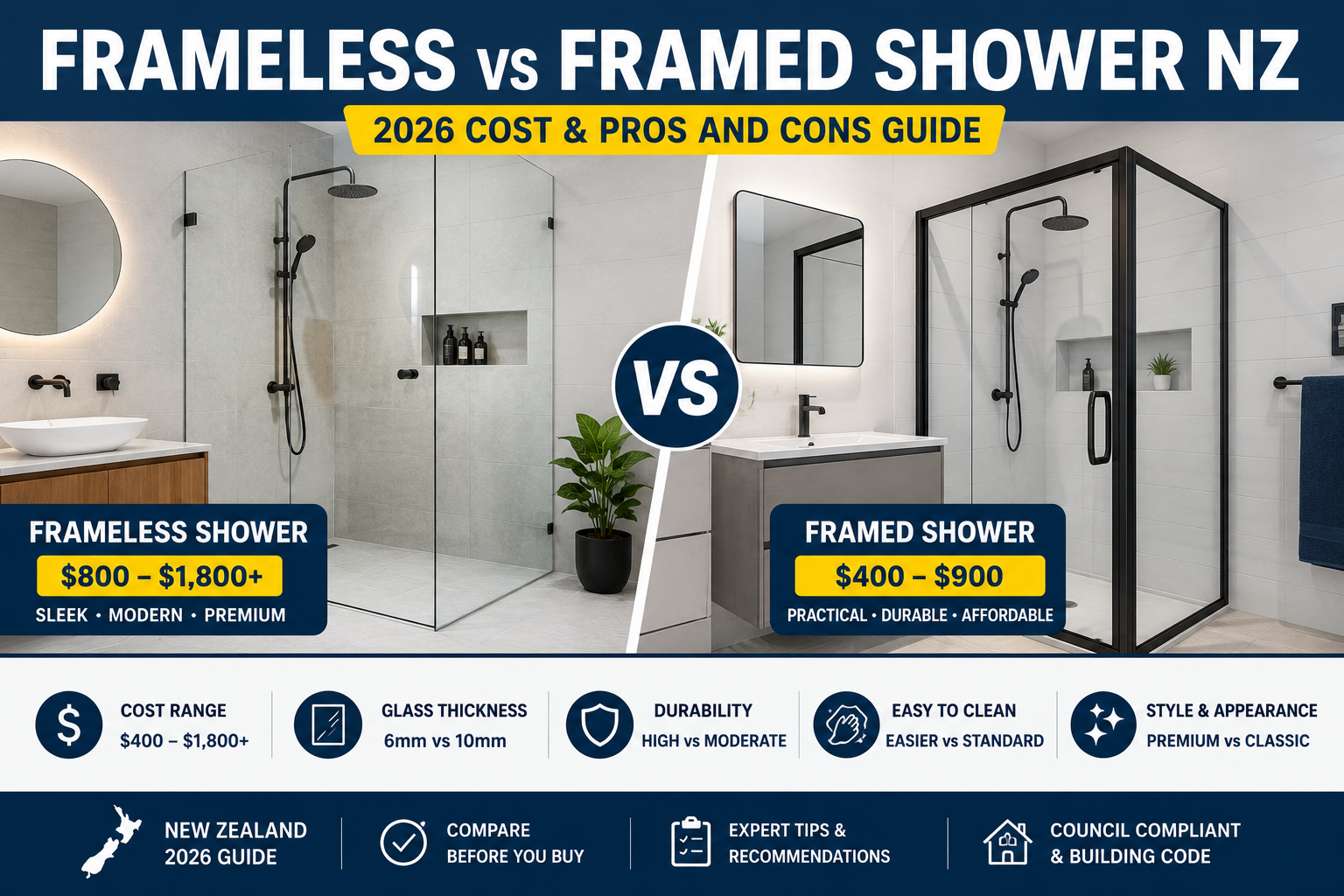
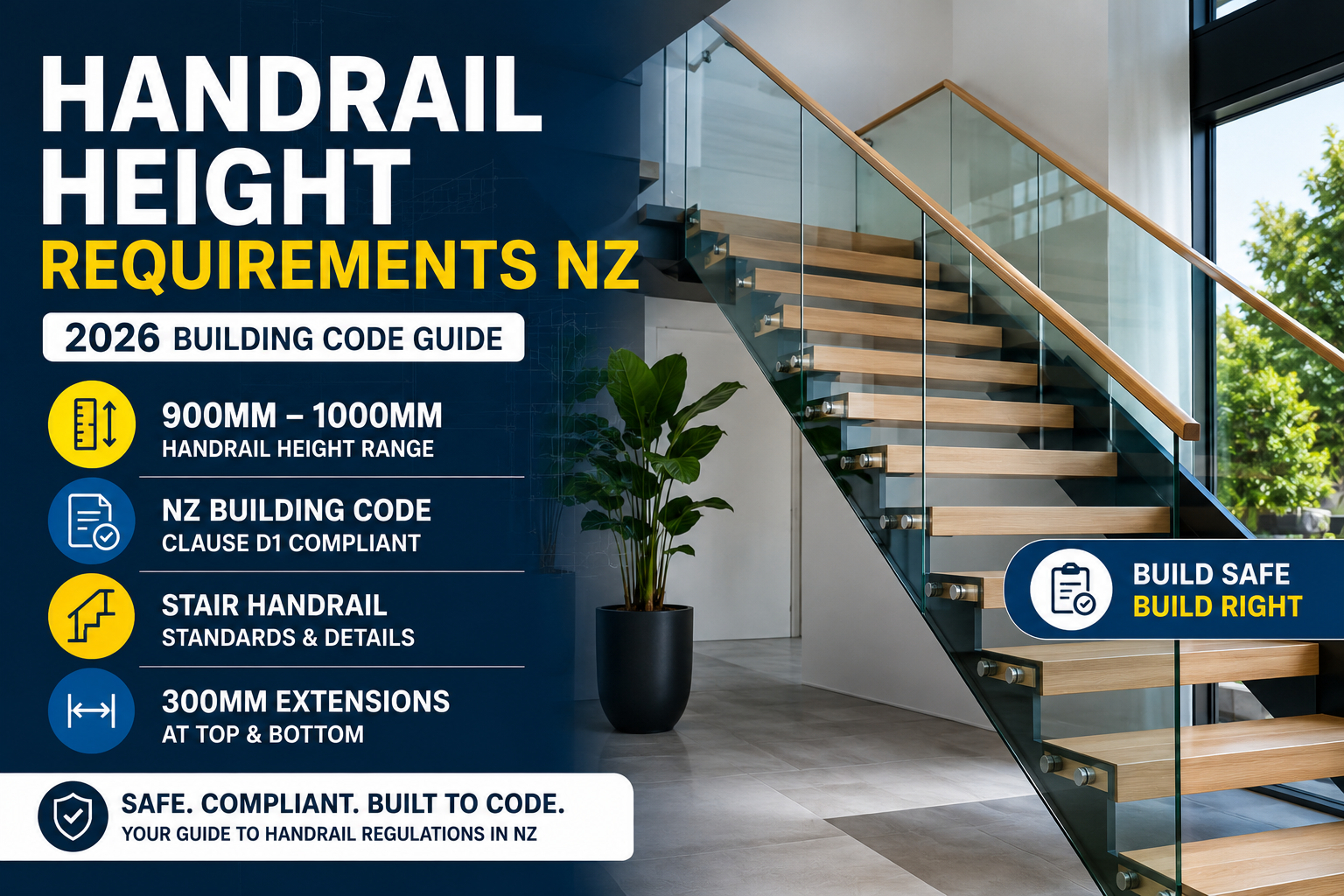
Read more

How to Clean Glass Pool Fences, Balustrades and Frameless Glass in New Zealand (Auckland, Wellington, Christchurch Guide 2025)

How to Clean Glass Pool Fences, Balustrades and Frameless Glass in New Zealand (Auckland, Wellington, Christchurch Guide 2025)

07/Dec/2025

New Zealand glass pool fencing, glass balustrade systems and frameless shower glass panels are designed for long term transparency, durability and weather resistance; however, all frameless glass systems require routine cleaning and stainless hardware maintenance to stay clear over time. In this extensive New Zealand cleaning guide, you will learn how to clean glass pool fencing exposed to chlorine, salt, sunscreen and coastal rain; how to clean a glass balustrade installed in windy Wellington weather conditions; and how to complete frameless glass shower cleaning after everyday New Zealand water exposure. This comprehensive cleaning and maintenance article targets residential homeowners, commercial building owners and glass installation contractors who need reliable step-by-step cleaning methods and long-term glass maintenance scheduling.

Why Glass Pool Fencing Requires Regular Cleaning in New Zealand

Glass pool fences in New Zealand are constantly exposed to swimming pool chemicals, sunscreen residue, airborne dust and salt particles drifting from coastal regions such as Auckland’s North Shore, Wellington Harbour or Christchurch coastal zones. Without routine cleaning, these contaminants attach to glass surfaces and stainless-steel clamps, causing cloudiness, spotting and corrosion. While premium glass pool fencing is engineered for durability, frameless glass cleaning is required because the New Zealand climate exposes panels to variable conditions such as UV, humidity, sea spray and strong regional winds.

Most Auckland glass pool fencing installations located near the coast require frequent rinsing because Auckland coastal winds carry salt particles. Wellington’s well-known wind exposure accelerates airborne dust and water spotting, making regular cleaning essential for glass balustrades installed on balconies or apartment decks. Christchurch coastal suburbs experience corrosive salt exposure and cold seasonal moisture accumulation that can settle on glass and hardware, making long-term cleaning routines particularly important for homeowners and landlords.

How Often Should You Clean Glass Pool Fencing in New Zealand

For homeowners wondering how often to clean glass pool fencing or how often to clean exterior glass balustrade installations, the answer depends on New Zealand location, pool activity, installation height and local environmental exposure. Residential pool areas with high use and frequent swimming activity require routine rinsing because chlorine particles land directly on exterior frameless glass panels. If sunscreen oils splash onto the panels during summer in Auckland, or salt spray attaches to glass balustrade surfaces in Christchurch, cleaning frequency increases.

  • Glass pool fencing Auckland coastline: weekly rinse + fortnight cleaning
  • Glass balustrade Wellington elevated areas: every 2–3 weeks
  • Glass balustrade Christchurch coastal: every 2 weeks
  • Interior frameless shower glass: daily quick clean
  • Commercial aquatic centres: weekly deep cleaning

Homeowners located inland or in areas with minimal wind exposure may reduce their routine cleaning schedule, but a monthly inspection is still recommended. Regular cleaning prevents long-term residue accumulation, mineral marks, corrosion and bracket staining. Even if your New Zealand glass pool fence appears visually clean, invisible moisture minerals can attach to glass coatings, slowly forming permanent marks.

Best Cleaning Products for Frameless Glass

When cleaning frameless glass, the most important rule is avoiding abrasive cleaning pads and chemical acids that damage protective glass coatings or scratch stainless hardware. Successful cleaning begins with simple, non-abrasive products designed for architectural glass. Many New Zealand homeowners use dish soap and clean water for routine cleaning, followed by a microfiber dry wipe to prevent streaking. Vinegar-based cleaning helps break down minerals found in New Zealand water and chlorine residue from Auckland and Wellington pool installations.

  • White vinegar diluted with water
  • Mild dish soap with warm water
  • Glass-specific commercial cleaners
  • Microfibre cloth (non-abrasive)
  • Soft squeegee for exterior use

Avoid anything that could scratch the glass including steel wool, scouring pads and abrasive scrubbing surfaces. These products destroy clarity and permanently damage frameless visibility. The best method is gentle cleaning followed by immediate drying, especially for glass balustrade Wellington installations facing strong wind carrying dust and moisture.

How to Clean Glass Pool Fences After Swimming

After swimming, chlorine water droplets frequently land on glass panels around pool areas. If left uncleaned, these chlorine droplets evaporate and leave chalky white streaks or mineral deposits visible on glass surfaces. This is especially common in glass pool fencing Auckland installations, where outdoor living spaces often include extended pool usage during summer. The simplest method is rinsing with clean water after each swim session, followed by drying with soft microfiber cloths.

You may explore New Zealand compliant glass pool fencing options here: glass pool fencing

How to Clean Outdoor Glass Balustrades Installed in Auckland, Wellington and Christchurch

Cleaning outdoor glass balustrades can be more challenging than cleaning indoor frameless shower screens because outdoor balustrade panels are directly exposed to wind, airborne dust, coastal salt moisture and UV weathering. In New Zealand cities such as Auckland, tall apartment balconies may experience heavy salt spray carried inland from the Hauraki Gulf and North Shore coastline; in Wellington, inland wind patterns deposit dust and moisture droplets onto glass balustrade surfaces; and in Christchurch, cold southern air drives fast salt accumulation on exposed outdoor glazing. Because of these unique climate differences, glass balustrade cleaning frequency must be adapted to local weather patterns.

For outdoor balustrade areas exposed to heavy sea breeze such as coastal Auckland suburbs including Takapuna, Mission Bay, Torbay and Browns Bay, rinsing with fresh water at least every two weeks is strongly recommended. Wellington hillside suburbs such as Mount Victoria, Karori and Brooklyn are known for strong winds that deliver airborne minerals; therefore, frameless glass cleaning is important for preventing long-term staining. Christchurch east coastal districts including Sumner, Redcliffs and Southshore frequently require corrosion prevention cleaning due to salt-rich airflow that settles on stainless steel clamps and spigots.

Cleaning method for New Zealand balustrade installations

  • Rinse entire balustrade with fresh water
  • Apply diluted vinegar or mild soap solution
  • Gently wipe glass with a non-abrasive microfibre cloth
  • Rinse again to remove detergent residue
  • Dry glass with clean microfibre cloth
  • Avoid drying under direct sunlight to reduce streaking

Frameless glass balustrade panels should be cleaned with gentle circular motions instead of aggressive scrubbing, because aggressive scrubbing increases risk of micro-abrasion. If you are cleaning glass balustrade Wellington apartments exposed to storm winds, drying promptly reduces streaking because wind deposits dust on wet surfaces extremely quickly. Auckland and Christchurch balcony installations require even more drying if the balustrade receives coastal misting overnight.

How to Maintain Hardware: Hinges, Clamps, Spigots and Brackets

Almost every New Zealand frameless glass installation uses stainless steel hardware including hinges, clamps, brackets, mini posts and spigots. These hardware components secure glass to concrete pads, timber framing or commercial building structures. Because these fittings are exposed to sea spray, pool chemical vapour and shower moisture, stainless maintenance is necessary to prevent long-term corrosion. Coastal hardware cleaning involves regular rinsing, wiping, drying and checking for surface oxidation.

  • Clean stainless hardware with soft cloth
  • Avoid bleach or acid exposure
  • Rinse to remove pool chlorine after swimming
  • Use stainless polishing cream every few months
  • Check tension for frameless gate hinges

While stainless steel is known for corrosion resistance, salt nanoparticles gradually settle into micro-pores on exposed metal surfaces. Over time, these particles cause discoloration and eventually pitting corrosion. Auckland coastal homes are particularly exposed due to sea salt moisture; Wellington high-wind locations accumulate airborne minerals; and Christchurch coastal suburbs experience long periods of moisture-rich cold coastal air. These combined conditions increase the importance of frequent stainless maintenance and frameless glass cleaning routines.

Cleaning Frameless Shower Glass in New Zealand Conditions

Cleaning frameless shower screens requires a different approach from outdoor glass pool fence cleaning. Indoor showers are exposed to soap residue, calcium deposits from New Zealand hard water, shampoo chemicals, conditioner oils and moisture condensation. These substances attach to the frameless glass surface and require quick removal to prevent etching. Because showers are used daily, frameless shower cleaning should be part of everyday bathroom routines, not monthly cleaning cycles.

Daily frameless shower cleaning plan

  • Squeegee immediately after use
  • Wipe corners and edges
  • Open ventilation to reduce moisture
  • Weekly soft vinegar cleaning
  • Monthly deep cleaning and polishing

Frameless glass shower doors near Auckland and Wellington may show higher water-spot buildup due to varied water mineral content. Christchurch regions known for water hardness may require more frequent vinegar cleaning due to calcium residue commonly observed on older frameless shower installations.

How Climate Impacts Frameless Glass Cleaning Frequency

The New Zealand environment is extremely diverse, which is why cleaning routines change based on regional climate exposure. Auckland coastal humidity, Wellington wind and Christchurch ocean air all generate unique cleaning conditions. Along the Auckland shoreline, salt minerals land directly on pool fencing glass, so maintenance frequency increases compared with inland suburbs. In windy Wellington, airborne dust lands on glass balustrade surfaces faster than in sheltered locations. Christchurch coastal districts experience heavy sea breeze containing salt fragments that attach to stainless steel clamps, so hardware polishing and rinsing are required regularly.

Even rainwater can cause marking because rain contains minerals, industrial residues and natural particulates that dry on the glass surface. For this reason, many Auckland coastal homeowners clean glass pool fencing after heavy rainfall. Similarly, Wellington apartment owners wipe outdoor balustrade panels after storms. Christchurch homeowners often rinse glass after windy weather that pushes ocean spray directly onto balconies.

Recommended cleaning frequency by New Zealand region

  • Auckland coastal: weekly rinse + fortnight deep clean
  • Wellington windy areas: every 2–3 weeks
  • Christchurch beachfront: every 2 weeks
  • Rural inland: every 4–6 weeks

These location-specific cleaning intervals ensure that frameless glass cleaning remains proactive rather than reactive. By cleaning glass early, staining is prevented before it sets permanently, dramatically increasing the lifespan of glass pool fencing, glass balustrade systems and frameless shower installations in New Zealand.
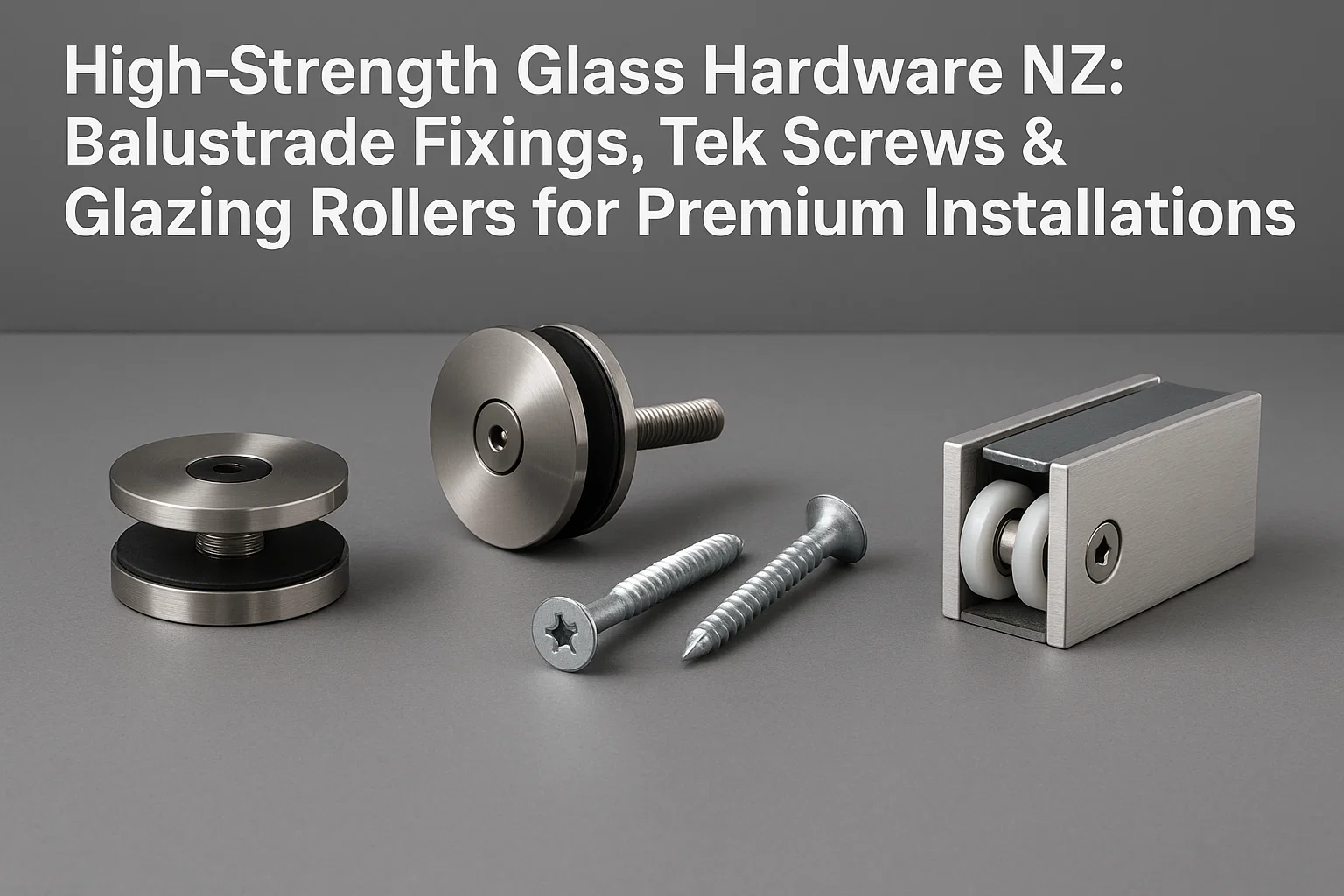
How Pool Chemistry Affects Glass Cleaning Frequency

Modern New Zealand swimming pools use chlorine or saltwater chlorination. Both systems generate chemical particles that can settle on glass pool fencing. Even natural saltwater pools deposit crystals that must be removed. In Auckland residential pool areas, sunscreen oils combined with chlorinated splash marks frequently land on glass pool fences. In Wellington, chlorine droplets carried by wind settle quickly onto frameless panels. Christchurch pool areas exposed to cooler air may show slower evaporation, meaning chlorine residue sits longer on the glass surface before drying, increasing streak visibility.

Routine rinsing removes chlorine chemicals and prevents etching of stainless steel hardware including hinges, clamps and glass balustrade spigots. Without rinsing, discolouration gradually develops, especially near pool ladders or splash zones where chemical droplets repeatedly contact the same frameless glass areas.

View corrosion-resistant hinge systems here: glass gate system

Preventing Long-Term Corrosion on Frameless Glass Hardware

New Zealand coastal regions produce high levels of airborne salt, meaning stainless components used in frameless glass systems eventually experience surface oxidation. To prevent corrosion, regular stainless polishing and cleaning is essential for glass pool fencing Auckland installations exposed to coastal spray. Wellington hillside districts facing constant wind require frequent stainless cleaning because airborne minerals land on hardware surfaces. Christchurch oceanfront suburbs require cleaning due to extended cold moisture that rests on stainless hardware overnight and accelerates micro corrosion.

  • Polish stainless every 2–3 months
  • Rinse after pool chlorine exposure
  • Wipe hinges weekly
  • Inspect brackets every month
  • Replace weathered clamps when necessary

While stainless steel hardware is durable, long-term exposure without maintenance leads to visible discoloration, pitting and hardware weakening. Professional stainless polishing products designed for marine use help protect hardware from harsh environmental conditions across New Zealand coastal areas.

Seasonal Cleaning Strategy for Glass Pool Fencing and Glass Balustrades

Because New Zealand experiences dramatic seasonal weather changes, cleaning schedules for glass pool fencing and outdoor balustrade installations should adjust throughout the year. Auckland summer seasons require more frequent cleaning due to sunscreen and heavy pool usage, while winter periods may require fewer deep cleans but more preventative moisture checks. Wellington autumn storms create dusty moisture conditions requiring fast drying. Christchurch spring weather produces sea mist that attaches quickly to frameless glass surfaces.

New Zealand seasonal cleaning guide

  • Summer: pool splash, sunscreen, chlorine cleaning
  • Autumn: wind-blown dirt + rapid drying requirements
  • Winter: focus on stainless corrosion prevention
  • Spring: coastal moisture build-up and salt rinsing

Because Auckland experiences extended warm periods, glass pool fences in Auckland coastal suburbs require weekly rinsing through summer. Wellington’s changing seasonal wind patterns bring airborne particles that attach to glass balustrades installed on elevated decks. Christchurch coastal suburbs may require consistent stainless cleaning even during cooler seasons due to sea spray carried inland by southern airflows.

Differences Between Residential and Commercial Cleaning Requirements

Residential glass pool fencing requires simple cleaning schedules tailored to household pool usage. Commercial buildings, apartment complexes, retirement villages and hospitality facilities require stricter cleaning management because glass balustrades and frameless glass installations receive higher environmental exposure and require compliance with commercial building standards. Commercial settings may require weekly inspections of stainless hardware, adjustment of glass gate hinges and quarterly corrosion checks for outdoor stainless components.

Commercial coastal Christchurch properties require consistent professional inspection of clamps and spigots as part of long-term building asset management. Coastal Auckland restaurants with outdoor balconies require regular glass polishing to maintain visibility for outdoor dining. Wellington high-rise apartments require routine dust cleaning due to elevated wind exposure, especially on glass balustrade edge installations.

How to Restore Older Glass Balustrade Panels

If older glass balustrade installations show visible cloudiness, professional restoration can remove marks, oxidation and mineral residue. Abrasive polishing compounds specifically designed for architectural glass can reduce staining and restore clarity. Heavily marked installations in Auckland coastal districts, Wellington wind-exposed locations or Christchurch beachfront suburbs may require professional service due to deep mineral accumulation inside the glass coating.

DIY restoration is possible if the damage is limited to surface marks; however, severe marks may require polishing tools or professional resurfacing. If your glass balustrade hardware is corroded, stainless replacement may be necessary. Regular cleaning prevents these long-term restoration costs and preserves investment value in frameless glass installations.

When to Call a Glass Specialist

If your installation requires hinge adjustment, clamp replacement or complete stainless recovery, contacting a New Zealand glass specialist ensures your frameless glass system remains safe, structurally secure and compliant with building requirements. Professional installers evaluate stainless hardware, identify corrosion risk and recommend hardware upgrades or replacements. Consult local New Zealand glass specialists for detailed inspections, especially for coastal installs across Auckland, Wellington and Christchurch suburbs.

Talk to specialists here: contact

Long-Term Coastal Glass Maintenance in New Zealand

Homeowners who invest in glass pool fencing and glass balustrade installations expect long-term clarity and professional presentation. With consistent cleaning, rinsing and stainless maintenance, frameless glass systems remain visually attractive for decades. The most effective long-term strategy includes location-specific cleaning routines, seasonal scheduling and corrosion prevention protocols based on local environmental conditions across New Zealand coastal regions.

New Zealand long-term care checklist

  • Clean glass regularly using gentle solutions
  • Rinse after chlorine exposure
  • Polish stainless steel periodically
  • Monitor hardware for corrosion
  • Apply seasonal cleaning routines

The combination of proactive cleaning, stainless protection and regular inspections ensures that New Zealand frameless glass systems remain modern, secure and visually appealing. Residential homes, commercial buildings and coastal properties benefit from long-term maintenance strategies that protect against aggressive New Zealand coastal weather patterns.

Final Thoughts

Cleaning glass pool fences, cleaning exterior glass balustrades and completing frameless glass cleaning routines are essential for long-term clarity, stainless protection and corrosion prevention across New Zealand. Auckland coastal homes require frequent rinsing to remove sea spray; Wellington elevated properties require cleaning to remove airborne dust; and Christchurch beach suburbs require anti-corrosion cleaning due to constant salt exposure. With proper location-specific cleaning, frameless glass installations remain premium, modern and durable throughout their service life.

Explore New Zealand pool glass options here: glass pool fencing

Explore compliant hinge systems here: glass gate system

Talk with professionals here: contact


Read more

New Zealand Pool Fencing Rules, Regulations and Glass Pool Fence Safety Requirements (Updated 2025)

New Zealand Pool Fencing Rules, Regulations and Glass Pool Fence Safety Requirements (Updated 2025)

07/Dec/2025

If you own a swimming pool in New Zealand, it is essential to understand the latest New Zealand pool fencing rules and NZ pool fencing regulations to maintain legal compliance and ensure safety around residential swimming pools. All New Zealand residential pools deeper than 400mm require a compliant pool fence and pool gate system that satisfies NZ pool fencing rules under the Building (Pools) Amendment Act. These regulations apply to residential pools, spa pools, portable pools and inflatable pools that exceed the depth threshold. Many homeowners use glass pool fencing because modern glass systems provide strong safety performance and good long term durability, especially in coastal areas of New Zealand.

Why Pool Fencing is Required in New Zealand

The primary purpose of New Zealand pool fencing regulations is to prevent accidental drowning incidents, especially involving young children under five. NZ pool fencing rules aim to ensure every pool has a physical barrier, preventing children entering the pool area without adult supervision. The Building (Pools) Amendment Act establishes minimum pool fence requirements and defines obligations for pool owners. Council inspectors in New Zealand conduct regular inspections to confirm pool fences, pool gate latches, self closing hinges and vertical panel spacing meet New Zealand pool safety standards.

NZ pool fencing rules require that pool fences, pool gates and access doors operate correctly at all times. Even minor non compliance such as a low latch height or non closing gate can result in failed inspection notices and potential fines. Professional glass pool fencing installation and certified hardware help ensure long term compliance with New Zealand pool fence legislation.

Minimum Pool Fence Height in New Zealand

According to NZ pool fencing standards, the minimum legal pool fence height NZ is 1200mm measured from finished ground level. Gaps under the pool fence must be less than 100mm and vertical gaps between panels must also be less than 100mm. NZ pool fencing rules further require that no climbable structures exist within 1200mm outside the pool perimeter. These climb prevention rules apply to trees, furniture, planters, retaining walls, sculptures and all other structures that help a child climb over a pool barrier.

Modern glass pool fencing achieves excellent compliance with New Zealand pool safety standards while allowing maximum visibility and modern architectural design. You can explore locally supplied systems here: glass pool fencing

NZ Pool Gate Requirements and Pool Latch Height Rules

New Zealand pool gate rules require:

  • Gate opens away from the pool area
  • Gate closes automatically
  • Gate latches automatically
  • Pool gate latch height minimum 1500mm above ground
  • Gate hinges must resist corrosion and weather exposure
  • Gate must never be left propped open

These NZ pool gate regulations ensure that a child cannot operate the latch or push the gate open into the pool area. In most cases, premium glass pool gate systems with certified hardware provide reliable long term performance that satisfies these NZ pool fencing requirements. You can compare gate hinges and latch systems here: glass gate system

Glass Pool Fencing Compared with Other NZ Fencing Options

Homeowners across New Zealand increasingly select glass pool fencing because glass systems satisfy New Zealand pool fence compliance requirements and offer far greater visibility around the swimming pool. Many coastal homes in Auckland, Tauranga, Wellington and Christchurch prefer glass pool fencing due to corrosion resistance and weather durability in New Zealand’s coastal climate.

NZ Pool Fence Comparison

  • Timber fencing: medium compliance, low visibility
  • Metal fencing: high compliance, medium visibility
  • Glass pool fencing: very high compliance, excellent supervision

Glass pool fencing enhances pool safety in New Zealand because clear glass panels allow parents to maintain full visual supervision without compromising design style or architectural appearance.

Council Pool Fence Inspections in New Zealand

Local councils in New Zealand conduct pool safety inspections every three years to verify pool fencing compliance, correct gate operation and pool fence height NZ requirements. The most common causes of inspection failure include:

  • Pool gate not self closing
  • Pool gate latch too low
  • Climbable objects near the fence
  • Corroded hinges preventing safe closing
  • Incorrect hinge installation
  • Trees or plant boxes acting as climbing access

If your pool fencing fails an inspection, New Zealand councils will issue a notice requiring corrective action. Modern frameless glass pool fencing and stainless steel hardware often provide the most reliable long term compliance with NZ pool fencing rules.

NZ Pool Fence Rules for New Swimming Pools

All new swimming pools must meet NZ pool fencing requirements before the pool can legally be filled with water. New Zealand councils must approve pool fence design, pool gate compliance, glass thickness details and pool hardware specification. If you modify an existing pool or change a pool fence line, the installation must be reassessed under current New Zealand pool safety regulations.

New Zealand Pool Gate Hardware and Hinges

Choosing the correct NZ pool gate hinges and latch hardware ensures that your glass pool gate remains compliant for many years. Certified hinges provide adjustable tension, corrosion resistance and self closing performance required to meet NZ pool fencing rules. Many glass pool fencing suppliers in New Zealand provide stainless steel hinges, marine grade hardware and frameless hinge systems suitable for coastal properties.

Explore heavy duty hinge and latch systems here: glass gate hardware

Best Materials for Glass Pool Fencing in New Zealand

  • Toughened safety glass
  • 12mm frameless glass panels
  • Stainless steel spigots
  • Marine grade stainless steel fixings
  • Self closing hinge kits
  • Weather resistant glass clamps

New Zealand coastal zones require highly corrosion resistant hardware due to salt exposure. Stainless steel and marine grade hardware increase durability and extend pool fence lifespan.

Local Council Requirements Across New Zealand

  • Pool location plan
  • Pool fence height documentation
  • Gate self closing testing
  • Latch height measurement
  • Glass thickness certification for frameless panels

NZ pool safety rules apply nationally, but individual councils may request additional documentation depending on project location and pool design.

Pool Fence Height NZ Explained

The minimum 1200mm pool fence height rule prevents young children from climbing over a pool barrier. This New Zealand pool fencing regulation applies to every residential pool regardless of fencing material. Frameless glass pool fencing, semi frameless glass systems, aluminium pool fencing and metal fencing must all reach the 1200mm barrier height requirement.

Practical Pool Safety Tips for New Zealand Homes

  • Keep pool gates closed at all times
  • Test gate hinges weekly
  • Remove outdoor furniture near pool fence
  • Trim trees and plants forming climbing access
  • Never wedge a gate open
  • Supervise children constantly

Pool Fencing Maintenance in New Zealand

  • Check latch height periodically
  • Adjust hinge tension when required
  • Prevent corrosion on metal components
  • Keep latch free from dirt and obstruction
  • Ensure objects do not lean against pool fencing

Glass pool fencing normally requires minimal maintenance and offers long term stability in New Zealand weather conditions.

Choosing a Compliant Glass Pool Fence in NZ

  • Certified New Zealand pool hardware
  • Toughened frameless glass
  • Minimum height 1200mm
  • Self closing hinge systems
  • Weather resistant stainless steel components
  • Tested pool gate latch designs

If uncertain, contact specialists in New Zealand for advice: get in touch

Final Thoughts

Understanding New Zealand pool fencing rules and complying with NZ pool fencing regulations is essential for maintaining a safe pool environment and meeting legal requirements. Certified glass pool fencing systems provide reliable safety performance, modern design and full compliance with pool fence height NZ standards, pool gate latch rules and New Zealand pool safety laws. High quality frameless glass pool fencing offers strong durability, clear visibility and long term compliance with New Zealand pool fencing requirements.

Need help selecting NZ compliant systems? contact specialists


Read more

Top Glass Company Auckland Guide: Toughened Glass Price NZ, Walk-In Showers, Glass Panels NZ & Shower Glass Channel Solutions

Top Glass Company Auckland Guide: Toughened Glass Price NZ, Walk-In Showers, Glass Panels NZ & Shower Glass Channel Solutions

04/Dec/2025

Homeowners across New Zealand are increasingly searching for reliable information about glass company Auckland services, accurate toughened glass price NZ comparisons, modern walk in shower NZ designs, durable glass panels NZ, and installation hardware such as the shower glass channel. These five keywords represent some of the most important decision-making factors for NZ customers upgrading bathrooms, kitchens, balconies, pool fences and renovation projects. This article offers a high-density, comprehensive guide designed to help improve visibility for these crucial NZ search terms.


1. Why Choosing the Right Glass Company Auckland Matters

A high-quality glass company Auckland should provide toughened glass, custom-cut panels, walk-in shower solutions and reliable hardware like the shower glass channel. Auckland customers depend on a glass company that understands the climate, humidity and architectural trends that shape the city’s buildings. A trusted glass company Auckland should also provide NZ-certified glass products for balustrades, pool fences, shower screens and home renovations.

When choosing a glass company Auckland, NZ homeowners should consider:

  • Experience in supplying glass panels NZ for balustrades and pool fencing
  • Transparent and realistic toughened glass price NZ
  • High-end bathroom solutions like walk in shower NZ units
  • Installation hardware such as shower glass channel profiles
  • NZ-wide delivery and reliable customer service

A premium glass company Auckland is essential for anyone upgrading their home with modern glass features.


2. Understanding Toughened Glass Price NZ

Many customers search for toughened glass price NZ when comparing materials for shower screens, walk-in showers, balustrades, pool fences and frameless interior partitions. Because toughened glass is a safety product, the toughened glass price NZ reflects the manufacturing process, heat treatment, certification and compliance with New Zealand building standards.

The most important factors influencing toughened glass price NZ include:

  • Glass thickness: 6mm, 8mm, 10mm, or 12mm toughened glass
  • Size and shape of the glass panels NZ
  • Cut-outs for hinges, channels and brackets
  • Coatings and finishes (frosted, low-iron, tinted)
  • Installation style, such as walk in shower NZ or balustrade systems

For customers planning walk-in showers, balconies or pool fencing, comparing toughened glass price NZ is essential to selecting the right product.


3. Walk In Shower NZ: The Fastest-Growing Bathroom Trend

The term walk in shower NZ has quickly become one of the most popular bathroom renovation searches across Auckland, Christchurch, Tauranga and Queenstown. A walk in shower NZ design typically uses toughened glass, sleek shower glass channel profiles, minimal framing and modern drainage systems to create a luxurious and spacious shower environment.

Benefits of a walk in shower NZ installation include:

  • Open-concept design with minimal framing
  • Easy to clean and maintain
  • Aesthetic compatibility with modern NZ homes
  • Uses 8–10mm glass panels NZ for stability
  • Secured with durable shower glass channel hardware

NZ homeowners searching for walk in shower NZ options are typically comparing glass styles, toughened glass prices and installation hardware at the same time.


4. Glass Panels NZ: The Most Versatile Glass Solution

Glass panels NZ are used in a wide range of residential and commercial applications. Whether for balustrades, shower screens, room dividers, pool fencing or walk-in showers, glass panels NZ provide safety, clarity and modern aesthetics. Most glass panels NZ used in homes are made of toughened glass, meeting New Zealand safety standards.

Common uses for glass panels NZ include:

  • Balcony balustrades
  • Kitchen splashbacks
  • Walk in shower NZ walls
  • Frameless shower doors
  • Pool fence systems
  • Commercial storefronts

When customers compare glass panels NZ pricing, they also check toughened glass price NZ, channel types and installation costs.


5. Shower Glass Channel: Essential Hardware for Frameless Installations

The shower glass channel is a slim aluminium or stainless-steel profile installed at the base or side of shower glass panels. It provides support, stability and waterproofing for walk in shower NZ installations. High-quality shower glass channel hardware enhances safety and creates a cleaner, frameless look compared to bulky brackets.

Why a shower glass channel is critical:

  • Stabilizes glass panels NZ used in showers
  • Prevents water leaks and improves drainage
  • Supports heavy toughened panels (8mm–10mm)
  • Matches NZ bathroom hardware styles (black, chrome, brushed, gunmetal)
  • Essential for frameless walk in shower NZ designs

Most modern NZ bathrooms use a shower glass channel instead of clamps for a clean minimal finish.


6. How All These Products Work Together in NZ Homes

These five keywords form a natural customer journey:

  1. A homeowner searches for a glass company Auckland.
  2. They compare toughened glass price NZ for their renovation.
  3. They want a modern bathroom and search for walk in shower NZ ideas.
  4. They browse glass panels NZ to choose thickness, size and clarity.
  5. They learn they need a shower glass channel for installation.

By understanding and optimising this journey, we strengthen rankings for all keywords simultaneously.


7. When to Contact a Professional NZ Glass Supplier

DIY installations involving toughened glass can be dangerous. Customers researching glass company Auckland or comparing toughened glass price NZ should always consult an expert to ensure their walk in shower NZ or glass panels NZ installation meets NZ building standards.

For assistance with shower channels, walk-in shower units or glass price guidance:
Contact Grand Glass NZ


Conclusion

The rising demand for glass company Auckland, accurate toughened glass price NZ, premium walk in shower NZ designs, durable glass panels NZ, and reliable shower glass channel hardware highlights how New Zealand homeowners are embracing modern, minimalist and long-lasting glass solutions. Understanding these products helps customers make smarter decisions—and this SEO-optimised article ensures these essential keywords regain visibility across search platforms.


Read more

New Zealand Guide to Mirror Glass Cut to Size, Replacement Solutions, Glazing Rollers & Balustrade Fixings

New Zealand Guide to Mirror Glass Cut to Size, Replacement Solutions, Glazing Rollers & Balustrade Fixings

04/Dec/2025

Across New Zealand, both homeowners and professional installers are becoming increasingly familiar with essential glass tools and components such as mirror glass cut to size, mirror glass replacement, glazing roller, adjustable glass clamp, fixings for glass balustrades and the heavy-duty lifting arm jack. These items are widely used in the construction industry, especially in projects involving glass balustrades, pool fencing, shower screens, mirrors and custom architectural installations. This article provides a comprehensive, science-based explanation of how these components work, where they are used and why they matter for New Zealand projects.


1. The Science Behind Mirror Glass: Why “Mirror Glass Cut to Size” Matters

Many New Zealand customers wonder why mirror glass cut to size is necessary instead of buying pre-made mirrors. Scientifically speaking, mirror glass requires:

  • Accurate dimensional cutting so light reflection remains stable and distortion-free.
  • Edge polishing to prevent micro-fractures that grow over time.
  • Moisture resistance in humid NZ bathrooms, especially in coastal regions like Tauranga and Auckland.
  • Correct thickness—usually 4–6mm for residential use, thicker for gyms and studios.

A custom-cut mirror guarantees cleaner reflection, perfect fit and better long-term performance. This is why most installers in Auckland, Hamilton and Christchurch prefer mirror glass cut to size for renovations, home gyms and retail stores.


2. Mirror Glass Replacement: How Damage Happens (And Why It Must Be Fixed)

New Zealand’s climate plays a major role in mirror failure. High humidity, temperature changes and cleaning chemicals accelerate mirror oxidation. When the reflective silver backing corrodes, black spots and fogging appear—prompting the need for mirror glass replacement.

Common causes include:

  • Moisture creeping behind poorly sealed mirrors
  • Cleaning products containing ammonia
  • Frame pressure cracking the edges
  • Accidental impact from gym equipment or wardrobe doors

During mirror glass replacement, installers often use tools like the glazing roller to position panels safely, preventing edge chipping and ensuring accurate alignment.


3. Glazing Roller: The Most Underrated Tool in NZ Glazing

The glazing roller is a must-have for anyone installing mirrors, glass balustrades or shower screens. Although small in size, it performs a vital job—adjusting and shifting glass panels without scratching them.

How a Glazing Roller Works (Simple Science)

A glazing roller uses a smooth polymer wheel to distribute pressure evenly across the glass surface. This prevents micro-fractures, which commonly occur when installers use hands or sharp tools to adjust the glass.

Where NZ installers use a glazing roller

  • When installing mirror glass cut to size
  • During mirror glass replacement
  • When fitting balustrade panels
  • When aligning pool fence glass

The glazing roller also ensures that fixings for glass balustrades, clamps and channels align perfectly during installation.


4. Adjustable Glass Clamp: Why Adjustable Hardware Is Critical

Not all New Zealand walls and surfaces are perfectly level. This is why the adjustable glass clamp has become a game-changer. It provides flexibility during installation and ensures stability even when the supporting surface isn’t perfectly straight.

Benefits of Adjustable Glass Clamps

  • Fine alignment control for uneven surfaces
  • Strong holding power for mirrors and glass panels
  • Compatible with balustrades, partitions and large mirrors
  • Better long-term safety in NZ homes

Installers commonly pair adjustable clamps with mirror glass replacement or mirror glass cut to size to achieve a flawless fit.

View structural components for clamps here:
Glass Gate System – Browse All Hardware


5. Fixings for Glass Balustrades: How They Hold NZ Balconies Together

Fixings for glass balustrades—including spigots, standoffs, clamps and anchor screws—must withstand extreme NZ weather conditions. While wind pressure in Wellington can exceed 150km/h during storms, coastal areas like Tauranga and Northland challenge hardware with high salt content.

Why Fixings for Glass Balustrades Are So Important

  • They bear the entire load of 12mm toughened safety glass
  • They prevent panels from shifting during earthquakes or strong winds
  • They resist corrosion in New Zealand’s harsh climates
  • They ensure compliance with NZ building standards

Many NZ installers combine fixings for glass balustrades with adjustable clamps and a glazing roller for perfect alignment.


6. Lifting Arm Jack: The Physics of Safe Glass Handling

The lifting arm jack is an essential tool for safe lifting and positioning of large glass and mirror panels. Unlike manual handling, which risks cracking the glass or injuring the installer, the lifting arm jack distributes weight evenly and provides controlled elevation.

Why New Zealand installers use lifting arm jacks

  • Safe handling of oversized mirror panels
  • Accurate positioning of glass balustrades
  • Prevents strain injuries and workplace accidents
  • Ideal for commercial mirror replacements and gym mirrors

When combined with a glazing roller, the lifting arm jack allows precise final positioning with millimetre-level accuracy.


7. How These Tools Work Together in NZ Glass Projects

A typical New Zealand mirror or balustrade project might use all the tools mentioned above. For example:

  • A lifting arm jack lifts the panel safely.
  • A glazing roller adjusts its position.
  • An adjustable glass clamp holds it securely.
  • Fixings for glass balustrades are installed to anchor the glass permanently.
  • If the glass is damaged, a mirror glass replacement is carried out.

These components create a stable, safe and visually stunning result for balconies, bathrooms, gyms and pool areas across New Zealand.

For product enquiries or NZ-wide support:
Contact Grand Glass NZ


Conclusion

From mirror glass cut to size to mirror glass replacement, and from glazing rollers to adjustable glass clamps, fixings for glass balustrades and the powerful lifting arm jack, these tools and components define the modern glass industry in New Zealand. Understanding how they work—and why they matter—helps installers and homeowners alike achieve safe, durable and visually striking glass installations.
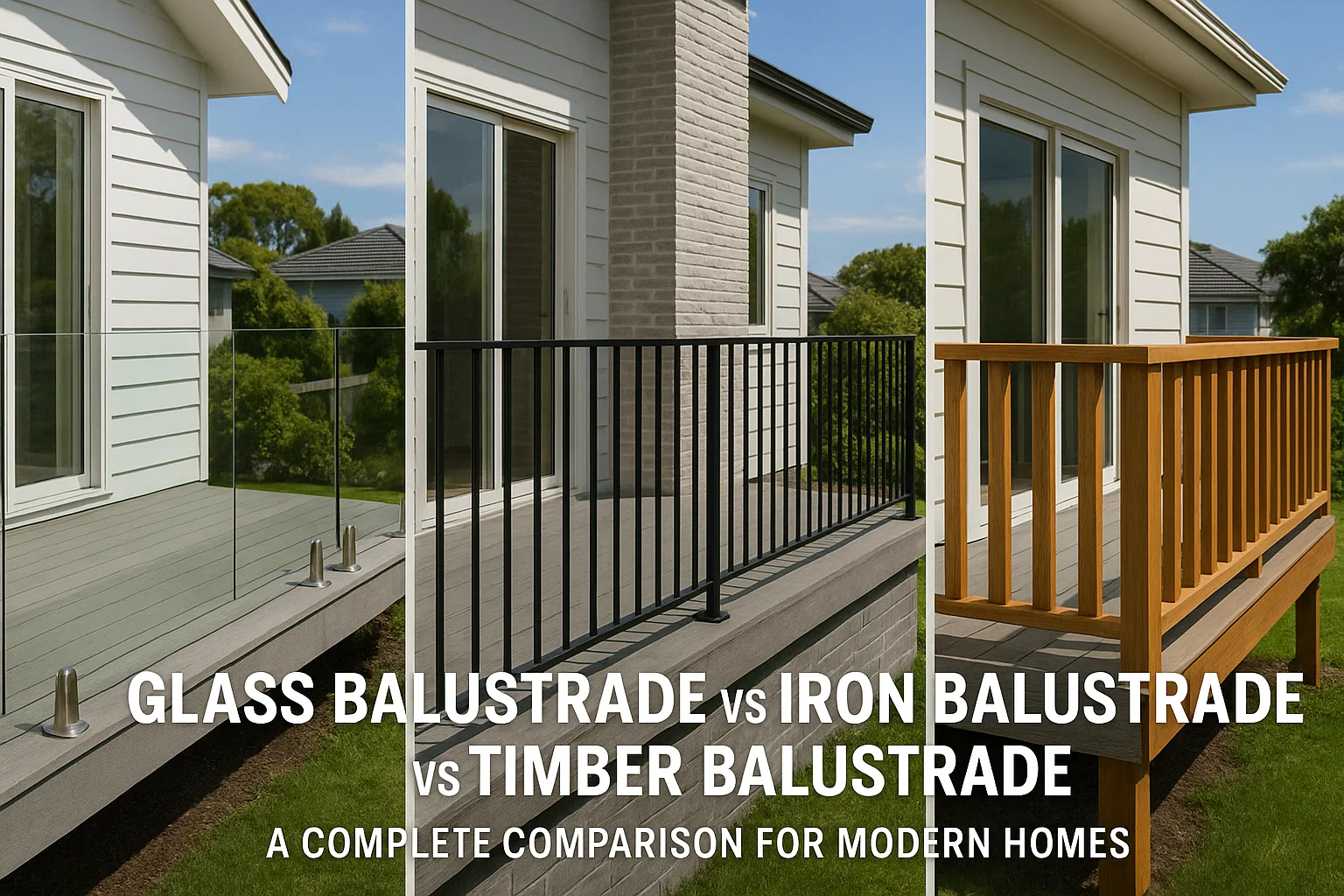

Read more

High-Strength Glass Hardware NZ: Balustrade Fixings, Tek Screws & Glazing Rollers for Premium Installations

High-Strength Glass Hardware NZ: Balustrade Fixings, Tek Screws & Glazing Rollers for Premium Installations

04/Dec/2025

Across New Zealand—including Auckland, Hamilton, Wellington, Tauranga, Christchurch, Dunedin, Queenstown, Rotorua, Palmerston North and the entire South Island—modern construction increasingly depends on high-quality glass hardware NZ. From sleek balcony designs using glass balustrade systems, to premium backyard safety installations such as glass pool fencing, to secure glass gate system setups in residential and commercial properties, the durability and reliability of glass hardware New Zealand components influence both safety and appearance.

As NZ homeowners pursue contemporary architecture, installers and builders consistently rely on essential components: the glazing roller, heavy-duty glass balustrade fixings, corrosion-resistant 120mm tek screws, and all categories of professional-grade glass hardware NZ. This in-depth guide explores how these components perform across different regions of New Zealand, how they integrate into glass systems, and why the right hardware determines long-term performance.


1. Glazing Roller: The Backbone of NZ’s Glass Installation Industry

A glazing roller is one of the most frequently used tools in the entire New Zealand glass sector. Whether an installer is setting up glass balustrade panels in Auckland, measuring pool enclosures in Tauranga, or constructing lake-view glass pool fencing in Queenstown, the glazing roller is used to position, align and adjust toughened glass safely.

The primary advantages of using a glazing roller in glass hardware NZ installations include:

  • Precise alignment when installing large glass panels
  • Reducing friction and minimizing risk of glass edge damage
  • Ensuring even spacing for glass balustrade clamps or channels
  • Improved efficiency for installers in both residential and commercial jobs

New Zealand’s architectural trend toward frameless designs makes the glazing roller extremely valuable. Heavy 10–12mm glass, especially for glass balustrade and glass pool fencing, requires precise handling to achieve seamless edges and consistent spacing.

Explore compatible fencing products here:
Glass Pool Fencing – Browse all


2. Glass Balustrade Fixings: High-Strength Support for NZ Decks & Balconies

The structural integrity of a glass balustrade system depends heavily on the quality of its glass balustrade fixings. Across New Zealand—whether on Wellington’s windy hill suburbs, Tauranga’s coastal decks, or Christchurch’s elevated balconies—these fixings must withstand high winds, salt air, UV exposure and long-term pressure from heavy glass panels.

Common glass balustrade fixings in NZ include:

  • Round and square mini posts
  • Spigots and base plates
  • Glass clamps (D-clamps, square clamps, round clamps)
  • Channel systems
  • Standoff pins

High-quality fixings ensure that every glass balustrade installation remains secure for decades. In coastal regions such as North Shore, Mount Maunganui and Dunedin, stainless steel 316 balustrade fixings are critical to preventing corrosion. In high-wind areas such as Wellington, reinforced channels and heavy-duty clamps offer improved structural performance.

Browse NZ-certified fixings and gate components:
Glass Gate System – View all hardware


3. 120mm Tek Screws: Structural Strength for NZ Glass Hardware Installations

Every professional installer in New Zealand understands the importance of strong, corrosion-resistant 120mm tek screws. Used across Hamilton deck installations, Wellington balustrade upgrades and Christchurch pool fencing projects, these screws secure the base structure supporting glass hardware NZ.

The benefits of 120mm tek screws include:

  • High pull-out strength for timber and steel framing
  • Compatibility with mini posts, spigots and balustrade channels
  • Corrosion resistance—essential in all NZ coastal regions
  • Reliable anchorage for glass gate system hinges and latches

Without proper stainless steel 120mm tek screws, even the strongest glass hardware NZ can loosen over time. Their performance is especially important in environments with frequent moisture, sea spray and temperature fluctuations.


4. Why Premium Glass Hardware NZ Is Critical for New Zealand Installations

New Zealand’s environmental conditions demand robust, well-engineered hardware. Whether the project involves glass pool fencing in Auckland, glass balustrade systems in Tauranga, or custom frameless installations in Queenstown, only premium-grade glass hardware NZ ensures durability.

Challenges specific to New Zealand include:

  • High UV exposure causing material degradation
  • Coastal salt air accelerating corrosion
  • Strong wind zones in Wellington & Canterbury
  • Temperature changes in South Island regions

High-quality glass hardware New Zealand is designed to maintain longevity in these conditions. Components like clamps, hinges, latches, mini posts, channels, standoffs and structural screws play a significant role in the overall stability of every installation.

If you require product advice or recommendations:
Contact Grand Glass NZ


5. Regional Usage of Glass Hardware NZ Across New Zealand

Auckland & North Shore

Modern homes use frameless glass balustrade systems, coastal glass pool fencing, corrosion-resistant clamps and precision-aligned glazing roller tools. These installations rely heavily on stainless steel glass balustrade fixings and 120mm tek screws.

Hamilton & Waikato

Decks commonly integrate glass hardware NZ components such as spigots, clamps and balustrade channels. Installers frequently use glazing rollers and tek screws for secure timber framing.

Tauranga & Bay of Plenty

Due to high salt exposure, marine-grade glass hardware is essential. Stainless steel 316 fixings and weather-resistant screws are standard.

Wellington

Wind-zone building designs rely on reinforced glass balustrade fixings, secure channel mounts and heavy-duty 120mm tek screws for maximum stability.

Christchurch & Canterbury

South Island temperature swings require strong hardware to prevent material stress. Glass hardware NZ systems ensure reliability across these conditions.

Queenstown & Otago

High-end architectural homes use frameless glass balustrade systems to maximize scenic views. Precision glazing rollers, clamps and premium glass hardware ensure flawless installation quality.


6. The Future of Glass Hardware NZ: Trends & Innovations

New Zealand construction trends show increasing demand for:

  • Thicker glass for safety and stability
  • Minimalist frameless edges using premium clamps
  • Self-closing hinges in glass gate system designs
  • Rust-proof stainless steel hardware suitable for all NZ climates
  • Integrated balustrade lighting systems
  • Higher engineering compliance standards

These trends emphasize the importance of durable glass hardware NZ—including glazing roller tools, glass balustrade fixings, 120mm tek screws and corrosion-resistant components.


Conclusion

Whether you’re installing glass pool fencing in Auckland, building a glass balustrade in Christchurch, or constructing a secure glass gate system in Wellington, every successful installation relies on the right combination of glazing tools, structural fixings, screws and high-performance glass hardware NZ.

From precision glazing rollers and heavy-duty glass balustrade fixings, to corrosion-resistant 120mm tek screws and engineered glass hardware New Zealand, these essential components form the foundation of modern, safe, and stylish NZ architectural design.


Read more

Glass opens space, light; iron rusts; timber warps

Glass opens space, light; iron rusts; timber warps

05/Nov/2025

Choosing the right balustrade system is an important decision for any homeowner or designer. Balustrades are not just structural safety barriers; they influence light, space, atmosphere, and the personality of a home. Today, many people find themselves choosing between glass balustrades, iron balustrades, and timber balustrades. Each material carries its own advantages, limitations, and maintenance requirements.

This article provides a clear, detailed comparison to help you decide which balustrade type is best for your space—whether you’re renovating a balcony, staircase, deck, pool area, or mezzanine.


1. Aesthetic Appeal & Style

Glass Balustrade

A glass balustrade offers a clean, modern and minimalistic look. It allows natural light to pass through and makes rooms and outdoor spaces feel larger and more open. In places like Auckland, where views and daylight are valuable, glass balustrade Auckland has become a popular design choice for new builds and renovations.

Style Keywords:

  • Modern

  • Open and spacious feel

  • Works with contemporary architecture

Iron Balustrade

Iron balustrades have a traditional, strong presence. They can appear elegant or industrial depending on the style, but they visually block part of the view. They also tend to appear heavier in design.

Style Keywords:

  • Classic or ornamental

  • Visual weight

  • Detailed craftsmanship possible

Timber Balustrade

Timber balustrades feel warm and natural. They suit rustic, cottage, or heritage homes. However, timber visually divides spaces and absorbs more light.

Style Keywords:

  • Natural and warm

  • Suits traditional homes

  • Adds visual solidity to space

Verdict:
If you want openness and visual expansion, glass is the strongest choice.
If your home is traditional or character-style, timber or iron may blend more naturally.


2. Durability & Weather Resistance

Glass Balustrade

Modern safety glass is extremely strong. It is heat-treated (tempered) or laminated to resist impact. Glass does not rust, warp, or rot, making it ideal for outdoor decks, coastal homes, and pool fencing. With correct installation, it holds up well in wind and salt air environments.

Iron Balustrade

Iron is structurally strong, but it is vulnerable to rust—especially in coastal or humid environments. Regular maintenance and repainting are required to prevent corrosion.

Timber Balustrade

Timber is naturally affected by moisture. Over time it may crack, warp, swell, rot, or fade if exposed to weather without frequent sealing and upkeep.

Verdict:
For coastal or outdoor use, glass withstands environmental changes far better than iron or timber.


3. Safety and Compliance

Glass Balustrade

Safety glass is engineered to meet building standards. When installed correctly, it is extremely strong and shatter-resistant. Many homeowners choose custom glass or custom cut glass to ensure precise fitting and safe construction.

Iron Balustrade

Iron balustrades are structurally strong but the space between bars must comply with safety regulations to prevent falls or climbing hazards.

Timber Balustrade

Timber can be safe when properly constructed, but its long-term stability depends heavily on maintenance, especially outdoors.

Verdict:
All can be safe, but glass offers standardized, engineered safety performance that is reliable and measurable.


4. Maintenance Requirements

Material Maintenance Level Issues Over Time
Glass Low Water spots, fingerprint cleaning
Iron High Rust, paint peeling, requires sanding & repainting
Timber High Rot, swelling, warping, cracking, needs resealing

Verdict:
If you want low maintenance, glass is the most practical option.


5. Cost Considerations

Cost varies depending on design complexity, local labor, and material type.

  • Glass balustrades may cost more initially than basic timber but require far less maintenance over time.

  • Iron balustrades range widely depending on detailing; custom ornate patterns increase cost.

  • Timber balustrades may be inexpensive initially, but ongoing sealing and repairs can make it more expensive over time.

Verdict:
Glass provides the best long-term value because it maintains its appearance with minimal upkeep.


6. Environmental & Living Experience Impact

  • Glass enhances natural daylight, improves visibility, and reduces the feeling of enclosed space.

  • Iron can create a sense of separation and visual boundaries.

  • Timber contributes warmth but can make areas feel smaller or darker.

If your goal is to make a home feel bigger, brighter, or more connected to outdoor views, glass is the most effective choice.


Final Conclusion

Best Choice For Recommended Balustrade
Modern architecture & open visual space Glass balustrade
Traditional or ornamental homes Iron balustrade
Warm, rustic, character-style houses Timber balustrade

However, when considering light flow, durability, long-term maintenance, and property value, glass balustrades provide the strongest balance of performance and design benefits. This is especially true in coastal regions, urban apartments, and contemporary houses where maximizing space and openness is a priority.

Whether you choose glass balustrade Auckland, a custom glass design feature, or custom cut glass for precise installation, understanding these material differences helps ensure that your balustrade not only looks beautiful but also performs well for many years.


Read more

Custom Glass, Pool Fencing & Balustrades NZ

Custom Glass, Pool Fencing & Balustrades NZ

28/Oct/2025

Looking for premium custom glass cutting and modern glass balustrades in NZ? At Grand Glass, we specialise in providing high-quality glass solutions for homes and commercial properties. Whether you need frameless pool glass fencing, custom cut glass panels, or durable shower channels, our team can craft the perfect fit with precision and style.

1. Custom Cut Glass & Made-to-Measure Panels

Our expert glass cutters handle everything from custom glass cutting to made-to-measure glass panels for residential and commercial use. Perfect for splashbacks, table tops, balustrades, or frameless shower screens. Based in Auckland, we also ship NZ-wide for builders and homeowners. Learn more on our Custom Glass Order Page.

Looking for “glass cutting near me”? Grand Glass offers fast turnaround times, precise edge finishing, and safety-certified glass sheets for all applications.

2. Glass Balustrades NZ – Style Meets Strength

Upgrade your balcony or deck with modern glass balustrades. Our Glass Balustrade Systems are popular across New Zealand for their clean lines, frameless appeal, and durable hardware. Choose from frameless glass balustrades, deck glass railing options, and Square Top Capping Rail Systems for a polished look.

Complete your installation with Matte Black End Caps or explore our SF Channel Glass Balustrade System — perfect for balconies and staircases.

3. Frameless Glass Pool Fencing NZ

Ensure your pool area is both safe and stylish with frameless pool glass fencing. Our Hydraulic Hinge and Magnetic Latch Lock systems are designed for safety and reliability. Whether you’re building a new pool or upgrading, our glass pool fence NZ range provides premium clarity and weather resistance.

We also supply glass pool gates, pool safety glass panels, and marine-grade stainless steel spigots for long-lasting installations.

4. Shower Glass Channels & Bathroom Glass

Transform your bathroom with our elegant shower glass channels and hardware. The Satin Brass 25×18 Shower Channel brings a luxurious look, while our aluminium shower channels provide durability and corrosion resistance. We can also custom-cut 500mm shower glass panels or frameless screens to fit your exact measurements.

Our products, such as the Walk-in Shower Unit, are designed for easy cleaning, watertight installation, and a minimalist design that fits any modern bathroom.

5. Glass Hardware & Aluminium Tracks

Grand Glass & Hardware Ltd Auckland is known for providing reliable glass hardware in NZ. Explore our Glass Clamps, aluminum tracks, hinges, and installation accessories for all types of glass projects. For builders and renovators, we also have glass panels for sale — pre-cut and ready to install.

Popular options include Product 1551, Product 2008, and Product 1950FP-700 Coated — trusted by professionals across New Zealand.

6. Custom Glass for Auckland & NZ-Wide Projects

From Auckland to Christchurch, Grand Glass delivers custom glass cutting NZ-wide. Whether you’re upgrading your kitchen, installing pool fencing, or replacing balcony glass, our expert team ensures precision and safety compliance every time.

Our Custom Order Form allows you to upload drawings or size requirements — we’ll handle the rest with care and accuracy.

7. Contact Grand Glass Today

Need help choosing the right product? Get in touch via our Contact Page to speak with an expert. We’ll help you find the perfect combination of hardware, glass type, and finish for your project.

  • NZ-made glass solutions
  • Fast quotes and installation
  • Trusted by homeowners and builders

Explore our full range at GrandGlass.co.nz — your trusted source for custom cut glass, glass balustrades, and frameless pool fencing in New Zealand.
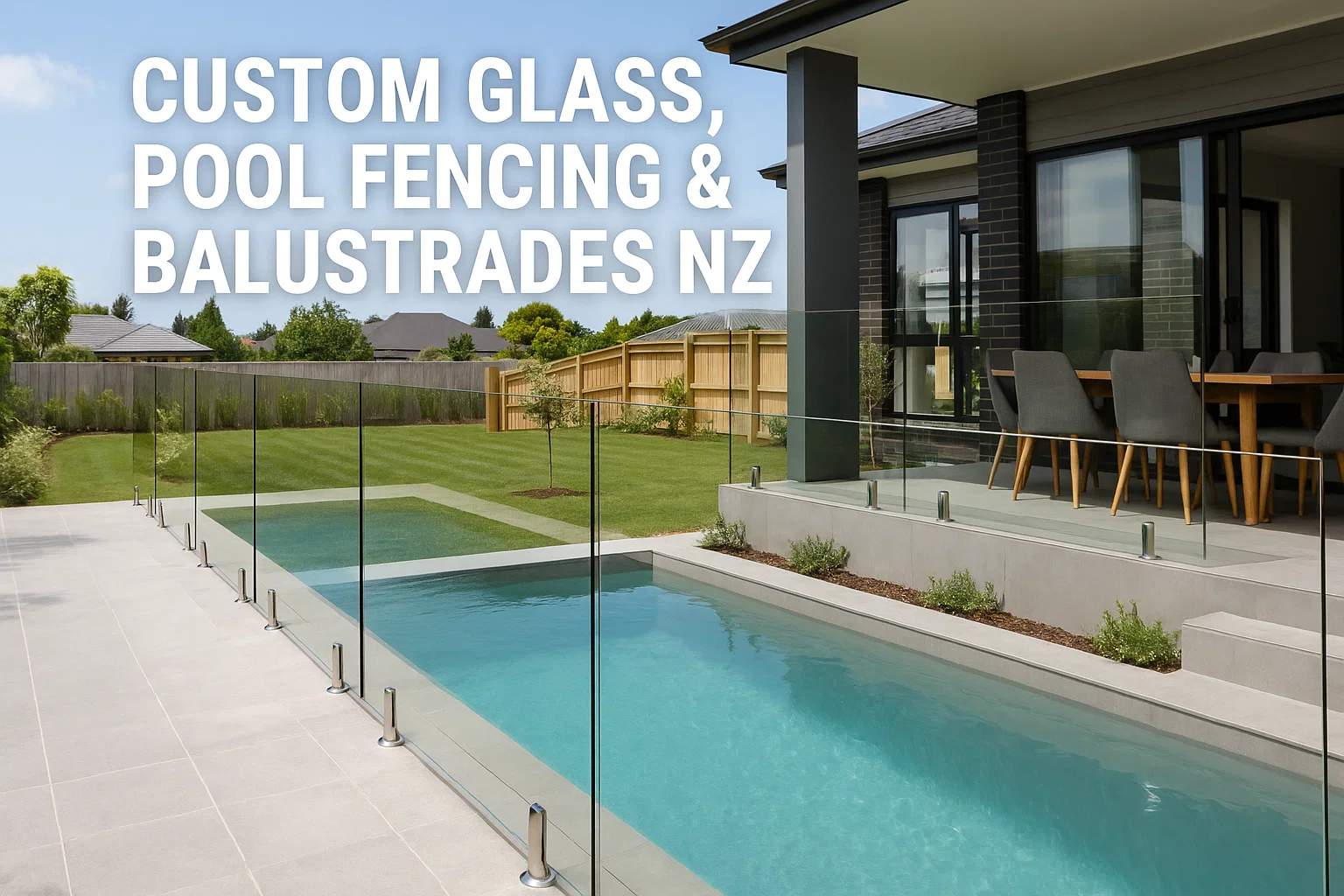

Read more

NZ Glass Balustrades & Pool Gates Experts

NZ Glass Balustrades & Pool Gates Experts

28/Oct/2025

Enhance your home or business with stylish, durable, and custom glass solutions from Grand Glass. We provide a full range of glass balustrades, pool fences, shower fittings, and bespoke glass options for customers across New Zealand.

1. Glass Balustrades for Modern Living

Glass balustrades create an open and elegant feel while maintaining strength and safety. Our Glass Balustrade Systems offer a perfect combination of minimal design and functionality. To achieve a clean finish, pair your installation with the Square Top Capping Rail System or the End Cap for Square Top Capping Rail Matte Black. You can also explore our SF Channel Glass Balustrade System and Channel Cover options for a seamless modern look.

2. Pool Fences and Glass Gates

Safety and design go hand in hand with our premium pool fencing products. The Hydraulic Hinge for Pool Fence Gate ensures smooth movement and self-closing functionality, while the Magnetic Latch Lock for Glass Pool Gate provides excellent reliability and security — perfect for family pools.

3. Shower Channels and Bathroom Glass

Transform your bathroom with durable and elegant shower fittings. The Satin Brass 25×18 Shower Channel adds a luxurious touch, and the Walk-in Shower Unit brings a modern, clean look to your bathroom design. Each product is engineered for easy maintenance and long-lasting performance.

4. Glass Clamps, Fittings, and Hardware

Discover our range of high-quality hardware in the Glass Clamps Category. Built for strength and subtlety, these fittings ensure your glass installation remains secure and visually appealing. We also feature popular items such as Product 1551, Product 2008, and Product 1950FP-700 Coated — all ideal for custom glass applications.

5. Custom Glass Orders

Looking for something unique? Our Custom Order Page and Custom Order Form make it simple to order bespoke glass panels for showers, balustrades, or other projects. Our experienced team manages everything from measurement to installation, ensuring a perfect fit every time.

6. Get in Touch

If you’re unsure which glass product best suits your project, our experts are ready to help. Visit the Contact Us page or send us an enquiry to get professional guidance and accurate quotes for your home or business.

7. Why Choose Grand Glass?

  • New Zealand-wide delivery and installation
  • Custom glass cutting and design services
  • Affordable pricing and exceptional durability
  • Trusted by homeowners, architects, and builders across NZ

Visit our main site — GrandGlass.co.nz — to explore our full range of products, from glass balustrades to pool gates and shower fittings.

Summary

From balconies to bathrooms, Grand Glass provides everything you need for safe, stylish, and long-lasting glass installations. Explore our custom order options today and bring your vision to life.


Read more

Laminated vs Toughened Glass Differences

Laminated vs Toughened Glass Differences

A clear guide to safety, strength, and use cases in NZ homes.

18/Sep/2025

Laminated glass and toughened glass are two common types of safety glass used in New Zealand homes. Both are designed to reduce injury risk, but they differ in how they are made and how they behave.

When choosing glass for your home – whether for windows, shower units, glass balustrades, or glass pool fencing – it’s important to understand the differences.


Laminated Glass

Laminated glass is made by bonding two or more layers of glass with a plastic interlayer (usually PVB). Even if it breaks, the fragments stick to the interlayer and the pane usually stays in place.

Advantages:

  • Holds together when cracked (spider-web pattern).

  • Blocks up to 99% of UV radiation.

  • Provides sound insulation – great for homes near busy roads.

  • Offers extra security since intruders must cut through the plastic layer.

Common uses in NZ: skylights, overhead glazing, security windows, and large shopfronts.


Toughened Glass

Toughened glass (also called tempered glass) is a single pane heated and rapidly cooled to make it 4–5 times stronger than normal glass.

Advantages:

  • Very high impact strength.

  • Withstands thermal stress (hot/cold changes).

  • If it breaks, it shatters into small blunt granules, reducing injury risk.

Common uses in NZ: frameless shower screens, pool fences, sliding doors, and many balustrades.


Key Differences

  • Strength: Toughened glass is stronger. Laminated glass focuses on retention and extra features.

  • Breakage: Toughened shatters into small cubes; laminated cracks but stays intact.

  • Safety: Both are Grade A safety glass. Laminated is better overhead; toughened is better for impacts.

  • Sound/UV: Laminated reduces noise and blocks UV. Toughened does not.

  • Cost: Laminated is more expensive due to its multi-layer structure.

For official compliance info, see the NZ Building Code – Hazardous Building Materials (Clause F2) and NZS 4223 Glazing Standards.


Applications in Kiwi Homes

  • Bathrooms: Toughened glass is used in showers and bath enclosures.

  • Pools: Toughened glass panels are standard for fences, meeting NZ pool safety rules.

  • Balustrades: Framed systems may use toughened; frameless must use toughened laminated to meet NZS 4223.

  • Skylights: Laminated is recommended to prevent glass falling inside and for UV/sound protection.


Summary

  • Choose toughened when you need strength and safe shatter – like showers, pool fences, and doors.

  • Choose laminated when you need the glass to stay in place, plus UV and sound benefits – like skylights, windows facing busy streets, or security glazing.

  • In some cases, use both together (toughened laminated).

Both types are compliant and safe. The “right” choice depends on your project.

Need advice for your home? Contact our team for expert help and a free quote: Get in touch.


FAQ

Which is stronger, laminated or toughened glass?
Toughened glass is generally 4–5 times stronger than ordinary glass. Laminated is not inherently stronger, but it stays intact when cracked.

Is laminated safer than toughened?
Both are safe (Grade A). Laminated holds glass in place; toughened shatters into harmless pieces.

Where is safety glass required in NZ homes?
In doors, bathrooms, low-level glazing, balustrades, and overhead windows. See NZ Building Code F2.

Does laminated provide better sound and UV protection?
Yes. The interlayer reduces noise and blocks most UV rays.

Which is more expensive?
Laminated usually costs more. Toughened is cheaper for standard applications, laminated is worth it where noise, UV, or security are priorities.


Read more

Is Frameless Shower Glass Easy to Break?

Is Frameless Shower Glass Easy to Break?

15/Sep/2025

Frameless shower screens are popular across New Zealand for a clean, modern look that opens up the bathroom. A common concern is whether the glass is fragile without a frame. The short answer: when you use properly specified glass and a professional install, it’s built to handle daily life.

How frameless shower glass is made

Most quality shower units use 10–12 mm toughened (tempered) glass. During manufacturing, the glass is heated and rapidly cooled to increase strength to around four to five times that of ordinary glass. Some projects opt for laminated or toughened-laminated panels where retention (the glass staying in place if cracked) is important.

  • Toughened glass: high impact resistance; if failure occurs, it crumbles into small blunt particles rather than sharp shards.

  • Laminated glass: multiple layers bonded with an interlayer; if cracked, the panel holds together instead of falling away.

Is it really safe?

Yes—provided the system is specified and installed correctly. That means compliant glass, quality hardware, and correct fixing points. A professional installation prevents point-loading or uneven pressure that can stress a panel over time.

  • Gate and hinge quality matters in wet areas too. We use hardware systems on our glass gate system range that are built for repeated use and smooth operation.

When can problems happen?

Even strong glass can be compromised by avoidable issues:

  • Edge impacts: the most vulnerable area of any glass panel is the edge or corner.

  • Incorrect installation: misaligned fixings or poor waterproofing can create stress points.

  • Damaged or low-quality hardware: worn hinges or brackets may transfer uneven loads.

  • Existing chips or cracks: any visible damage should be assessed and remedied promptly.

If you’re unsure whether a panel or hinge is still sound, contact us for a quick check: Get in touch.

Care and cleaning

  • Wipe down with a soft cloth and mild cleaner; avoid abrasives and sharp tools.

  • Check hinges and support brackets occasionally to keep them tight and true.

  • Consider a glass coating solution if you want easier cleaning and less spotting.

Choosing glass for the rest of your home

If you like the clear, modern look in the bathroom, you can carry the theme through the home:

Keeping materials consistent often lifts overall value and makes spaces feel bigger.

Compliance and good practice (external references)

For general guidance on safety glazing and compliance in New Zealand, you can refer to:

Your local council may have additional guidance for residential bathroom work. We’re happy to help you interpret what applies to your project: How to order.

FAQ

Will frameless shower glass shatter easily?
No. 10–12 mm toughened panels are engineered to withstand everyday impacts when fitted correctly.

If it breaks, is it dangerous?
Toughened glass is designed to crumble into small blunt pieces. Laminated and toughened-laminated options add retention if that’s a priority.

Can I DIY the installation?
We don’t recommend it. Waterproofing details, correct fixings and level alignment are critical. Use a professional installer.

What thickness should I choose?
Most frameless showers use 10–12 mm. We’ll recommend a spec based on layout, openings and hardware.


Read more

Are Glass Pool Fences Really Safe?

Are Glass Pool Fences Really Safe?

14/Sep/2025

If you’ve got a pool at home in New Zealand, you’ll know how important it is to keep it safe – especially if there are kids around. By law, most backyard pools need to be fully fenced, and over the last few years, glass pool fencing has become the go-to choice for a lot of Kiwi families.

It ticks the boxes for safety, but also looks clean, modern, and keeps your backyard feeling open. Still, plenty of people ask the same questions: Isn’t glass a bit risky? What if it breaks? Is it a pain to keep clean?

Let’s run through the facts and clear up some of the common worries.


How Glass Pool Fencing Works

A standard glass pool fence is made from toughened (tempered) glass or laminated glass, usually around 10–12mm thick.

  • Toughened glass is up to five times stronger than normal glass. If it ever does break, it shatters into blunt little pieces rather than sharp shards.

  • Laminated glass has a safety layer in the middle, which means even if it cracks, it stays in place instead of falling out.

Your gate system is just as important – that’s where a solid glass gate system with proper stainless steel or aluminium hardware comes in. It keeps the entry sturdy and makes sure little ones can’t just wander into the pool area.


But Is It Really Safe?

The short answer – yes, as long as it’s done right.

Glass fences that meet the NZ Building Code are designed to handle knocks, bumps and years of Kiwi weather. Here’s why they’re safe:

  • Super strong panels – 12mm glass can handle serious pressure.

  • Meets NZ standards – every pool fence has to comply with NZS 8500, which is all about child safety.

  • No climbing points – height and spacing rules stop kids from getting over.

  • Quality fittings – strong hinges, posts and latches keep everything locked in tight.

So really, it’s not the glass you need to worry about – it’s making sure you buy from the right place and get it installed properly.


How It Stacks Up Against Other Options

  • Wooden fences – cheaper upfront but can rot, warp, or need painting.

  • Metal fences – solid but block your view and can rust.

  • Glass fences – crystal clear, modern, low-maintenance and add value to your place.

If you’re also doing up a deck or balcony, you might want to check out our glass balustrades or handrails for a matching look.


Cost vs Value

Sure, glass fencing costs a bit more than timber or steel at the start. But with almost no upkeep, it pays off in the long run. Plus, it makes your property look sharper and can bump up the resale value.

Plenty of our customers also tie in matching shower units or DIY accessories to keep their home looking consistent.


FAQs – Straight Answers

Do kids get hurt if they run into the glass?
Not likely – toughened glass is built to take a hit. And if it ever breaks, it crumbles safely.

Doesn’t glass get dirty all the time?
You’ll get some water spots, but a quick wipe-down every now and then keeps it clear.

Do I need council sign-off?
Yep – every pool fence in NZ needs to comply with council rules.

Can I DIY it?
Honestly, don’t. Pool fencing is about safety and compliance. Best to get the pros in.

For more answers, check out our full FAQ page.


Read more

GrandGlass Wind-Resistant Glass Solutions: Ensuring Safety and Stability for Your Home

GrandGlass Wind-Resistant Glass Solutions: Ensuring Safety and Stability for Your Home

27/Aug/2025

In New Zealand, extreme weather and strong winds are common occurrences, especially in coastal and mountainous areas. With the increasing frequency of storms and high winds due to climate change, wind resistance has become a crucial consideration for buildings and homes. As New Zealand’s leading glass supplier, GrandGlass.co.nz offers a range of wind-resistant glass solutions to help protect your home from the impact of harsh weather.

The Importance of Wind-Resistant Glass

Strong winds often impact buildings through the damage of windows and glass doors. Regular glass is vulnerable to breaking during storms, especially if it has not been specially reinforced. Wind-resistant glass, however, is specially treated to provide greater resistance to pressure and wind forces, making it ideal for withstanding the impact of storms.

The wind-resistant glass offered by GrandGlass uses tempered glass technology, significantly enhancing the glass's impact resistance and ensuring that it can endure greater pressure, keeping it intact in extreme weather conditions and reducing the risk of breakage.

Wind-Resistant Glass for Different Environments

  1. Wind-Resistant Windows
    Installing high-quality wind-resistant windows is essential, especially during storm seasons in New Zealand. GrandGlass's windows are made from enhanced tempered glass, which ensures the windows remain stable and secure even during strong winds and storms.
    Explore our wind-resistant glass windows for more information.

  2. Wind-Resistant Glass Door Systems
    Glass doors, particularly sliding or folding doors, are more vulnerable to damage during strong winds. GrandGlass offers glass door systems designed with stronger frames and tempered glass for greater stability and safety.

  3. Glass Balustrades and Fences
    If your home is located near the coast or on a hill, wind resistance is even more important. The glass balustrades and glass fencing provided by GrandGlass are specially designed to withstand the impact of strong winds while maintaining a modern and stylish look.

  4. Glass Pool Fencing
    For homes with pools, installing glass pool fencing is another effective way to ensure safety. Reinforced tempered glass fencing can withstand extreme weather conditions while keeping your pool area secure and stylish.

Advantages of GrandGlass’s Wind-Resistant Glass

  • High Strength and Pressure Resistance: All of our glass products are made using high-strength tempered glass, reducing the risk of breakage during storms.
  • Increased Building Stability: Installing wind-resistant glass improves the overall structural stability of your building.
  • Enhanced Safety: Prevents glass shattering and reduces the risk of injuries during high winds.
  • Perfect for New Zealand's Climate: Specifically designed to handle New Zealand’s extreme weather conditions.

Conclusion

With the changing weather patterns in New Zealand, strong winds continue to pose a threat to buildings and homes. Choosing the right wind-resistant glass solution will significantly enhance your home’s ability to withstand harsh weather. GrandGlass.co.nz offers top-quality products, ensuring safety and durability.

If you are looking for reliable solutions, visit GrandGlass.co.nz today and explore more glass options for your home or business!


Read more

Auckland’s Leading Local Glass Supplier – GrandGlass for Frameless Glass, Pool Fencing & More

Auckland’s Leading Local Glass Supplier – GrandGlass for Frameless Glass, Pool Fencing & More

15/Aug/2025

If you are looking for a trusted Auckland glass supplier that can provide premium frameless glass fittings, stylish glass pool fencing, secure glass gate systems, and durable glass balustrades, GrandGlass is the local expert you can rely on. Choosing a company that offers both local Auckland service and NZ-wide delivery is essential to ensure your frameless glass project is completed on time and to the highest standards.

Whether you are upgrading your home with frameless glass fittings Auckland residents love, installing safe and modern glass pool fencing with a matching glass gate system, or adding value to your property with an elegant glass balustrade, GrandGlass combines local expertise with nationwide reach. An experienced Auckland glass supplier will not only make sure your products meet all NZ Building Code requirements but will also provide faster response times, flexible customisation options, and expert advice to make your project run smoothly from start to finish.

1. GrandGlass – Your Local Glass Supplier in Auckland

If you are looking for a local glass supplier in Auckland that offers both style and durability, Grand Glass & Hardware Ltd (GrandGlass) is the name you can trust. We’ve built our reputation on delivering frameless glass fittings, glass pool fencing, glass gate systems, and glass balustrades to projects across Auckland and New Zealand.
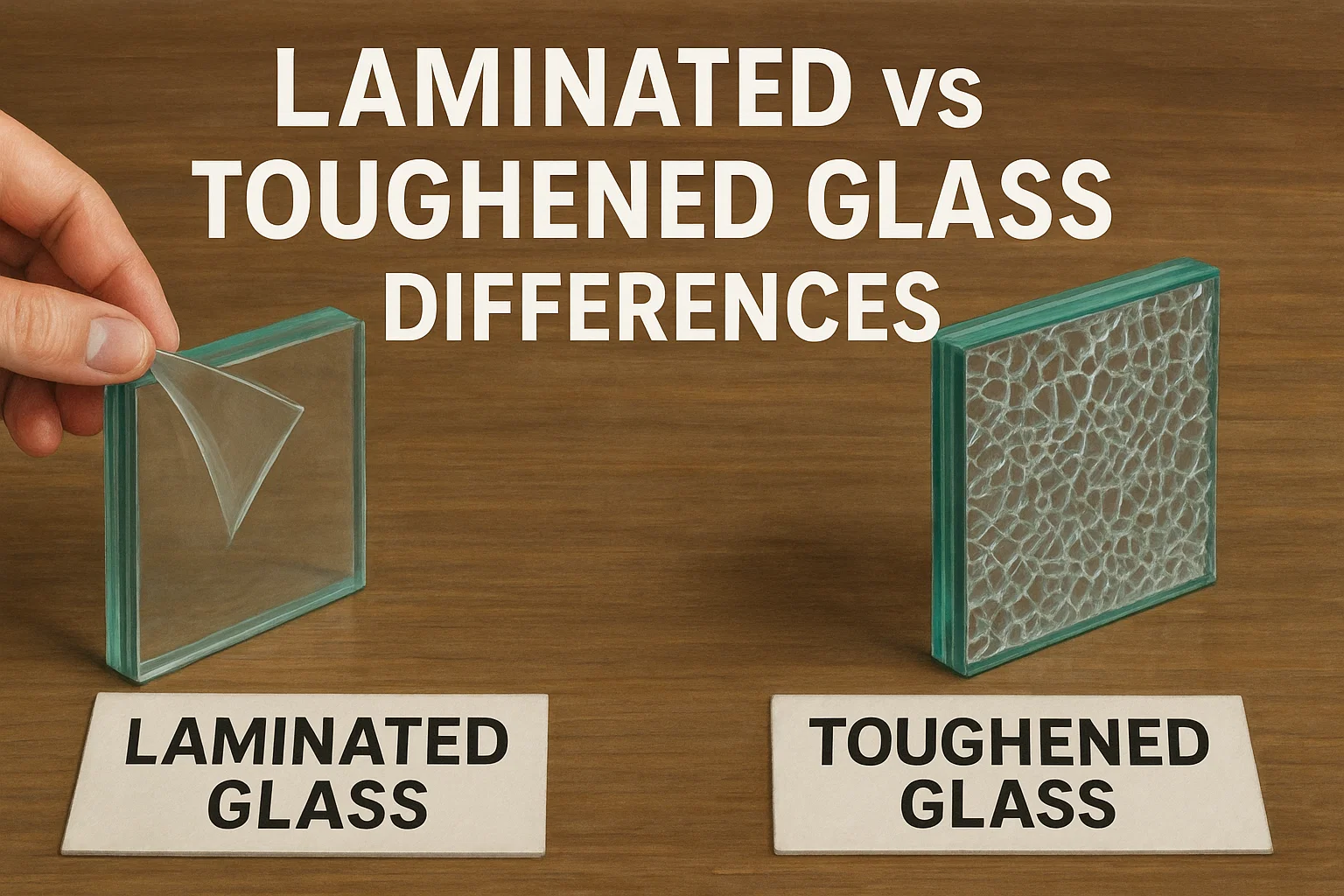
Since establishing New Zealand’s first and largest online glass store, GrandGlass has become the go‑to choice for frameless glass Auckland customers who value premium quality, competitive pricing, and fast delivery. From small home renovations to large-scale developments, we deliver frameless glass fittings NZ-wide.

2. Comprehensive Frameless Glass Solutions in Auckland

When it comes to frameless glass solutions in Auckland, GrandGlass offers one of the widest and most reliable product ranges on the market—covering glass pool fencing Auckland, glass gate systems, and glass balustrades.

Glass Balustrades Auckland

Our frameless glass balustrades balance style and safety for balconies, staircases, and decks, using toughened safety glass and premium stainless‑steel fittings.

Glass Pool Fencing Auckland

Create a safe and elegant outdoor area with frameless glass pool fencing. Pair it with a durable glass gate system to meet NZ safety standards while preserving uninterrupted views.

Frameless Shower Glass Auckland

Hinged, sliding, and walk‑in frameless shower glass options deliver a clean, modern look and long‑term performance for Auckland homes.

Frameless Glass Fittings & Hardware

A full range of frameless glass fittings—hinges, clamps, mini‑posts, and channel systems—for seamless installation and a professional finish.

3. Why Auckland Chooses GrandGlass

  • Local expertise – We understand Auckland’s building codes and climate conditions.
  • Full product range – From glass balustrades to frameless glass fittings.
  • Fast NZ‑wide delivery – Same‑day pickup in Auckland, speedy nationwide shipping.
  • Custom advice – Tailored recommendations for your specific frameless glass project.
  • Competitive pricing – Affordable glass pool fencing Auckland without sacrificing quality.

4. Local Service, Nationwide Reach

Based in Rosedale, Auckland, we offer same‑day pickup for local orders and fast delivery across New Zealand—combining local convenience with NZ‑wide logistics.

5. How GrandGlass Works with You

  1. Consultation – Talk to our Auckland glass team about your project.
  2. Product selection – Choose frameless glass fittings, glass pool fencing, or glass gate systems.
  3. Delivery or pickup – NZ‑wide shipping or local pickup in Auckland.
  4. Installation support – DIY guidance or referral to trusted local installers.

Frequently Asked Questions (FAQ)

Does GrandGlass offer installation in Auckland?
We focus on supplying frameless glass fittings Auckland customers trust, and work with reliable local installers to fit your glass pool fencing and glass gate systems.
Are your products compliant with the NZ Building Code?
Yes. Our frameless glass fittings, glass pool fencing Auckland, glass balustrades, and glass gate systems meet or exceed NZ standards for safety and durability.
Can I order custom sizes?
Absolutely—custom frameless glass fittings Auckland homeowners need, plus tailored pool fence panels and glass gate systems for unique layouts.
How fast is delivery in Auckland?
Many items are available for same‑day pickup in Rosedale. Delivery to most Auckland suburbs takes 1–2 business days.
Do you supply outside Auckland?
Yes—we are a local glass supplier Auckland customers trust, and we also ship NZ‑wide to North and South Islands.
What’s the difference between glass pool fencing and a glass gate system?
Glass pool fencing is the transparent safety barrier; a glass gate system provides safe, compliant access to the pool area.
Why choose frameless glass?
Frameless glass—whether in glass pool fencing or a glass balustrade Auckland installation—delivers unobstructed views, modern style, and strong compliance.

Ready to start? Explore products and talk to our team:


Read more

Battling NZ’s Wild Weather with Quality Glass Pool Fencing & Shower Units

Battling NZ’s Wild Weather with Quality Glass Pool Fencing & Shower Units

08/Aug/2025

New Zealand is no stranger to wild winter weather – in early August 2025, heavy rain was sweeping across the country, followed by strong southerly winds and bone-chilling temperatures. Such conditions not only chill us to the bone but also test our homes and outdoor structures. For homeowners, a big question arises: How will features like glass pool fencing, glass balustrades, and even indoor glass shower units hold up against harsh winter weather?

Winter Wind & Rain: A Test for Outdoor Glass Fencing

Winter in NZ brings powerful gusts, torrential rain, and frosty cold snaps. These elements can wreak havoc on poorly made structures. Glass pool fences and balustrades, however, are designed to withstand such punishment. High-quality glass fencing is engineered with toughened safety glass and marine-grade stainless steel components, making it resilient against wind, rain, and corrosion.

High-Quality Glass Fencing Shines in Harsh Conditions

Quality installations use 12mm NZ-certified toughened glass and marine-grade stainless steel spigots. This combination resists rust, withstands high wind zones, and complies with NZ building codes. The safety glass shatters into small, blunt pieces if broken, reducing injury risk. Gates with self-closing and self-latching mechanisms add further safety, especially during windy conditions.

Quality Glass Shower Units: Cozy & Safe in Winter

High-quality shower enclosures made with 8-10mm toughened glass offer excellent durability and safety. They prevent leaks, retain warmth, and withstand temperature fluctuations. Coatings like nano or water-repellent treatments help maintain clarity and hygiene, especially important in winter when mold and moisture are more prevalent.

Grand Glass: Built for NZ Weather, Focused on Safety

Grand Glass products are tailored for New Zealand’s environment. All their fencing and shower systems use certified safety glass, marine-grade hardware, and optional anti-corrosion or easy-clean coatings. Their team ensures compliance with NZ standards and provides professional support and delivery nationwide.

Tips for Choosing & Maintaining Glass Fences and Showers

  • Use NZ-certified toughened safety glass (12mm for fences, 8-10mm for showers)
  • Opt for marine-grade stainless steel hardware
  • Choose self-closing gates for pool safety
  • Clean regularly and apply nano coatings if possible
  • Check fixtures after storms for tightness and wear

Conclusion

Despite NZ's harsh winters, quality glass installations offer durability, safety, and style. Grand Glass delivers weather-resistant, certified, and low-maintenance solutions. Contact them today for expert advice or a free quote. Stay warm, safe, and stylish – no matter the weather!


Read more

NZ Glass Balustrade Guide: Auckland & Christchurch

NZ Glass Balustrade Guide: Auckland & Christchurch

20/Jul/2025

If you’re planning to upgrade your deck, balcony, or staircase, few additions offer the same sleek finish and safety as a quality glass balustrade NZ system. Across Christchurch, Auckland, and other parts of New Zealand, homeowners and builders are turning to frameless glass for its clean look, durability, and compliance with modern building codes.

Unlike timber or steel rails that can block your view and require ongoing maintenance, glass balustrades allow uninterrupted visibility and create a more open feeling — especially important for small decks or coastal homes that embrace natural light.

In glass balustrade Auckland projects, frameless systems are especially popular for contemporary homes. Whether you’re enclosing an upper-level balcony or creating a safe stairwell barrier, the simplicity of toughened safety glass supported by minimal hardware makes the whole structure feel seamless. For homeowners in Auckland suburbs like Remuera, Mission Bay, or Mt Eden, a minimalist glass finish pairs perfectly with modern cladding and landscaping.

Down south, glass balustrade Christchurch installations often face more variable weather conditions — but Grand Glass systems are built to endure. Using 12mm toughened glass and marine-grade stainless steel fixings, our balustrades are engineered to withstand both wind and time. All installations meet NZS4223 and NZS1170 standards, meaning you can enjoy the view with total peace of mind.

Looking for something with more texture or privacy? Reeded glass is a stylish option for areas where a little obscurity is preferred — such as bathroom balconies or side-facing stairs. It filters light beautifully while still providing a glass finish that feels high-end and custom. Reeded options are becoming popular in both North and South Island renovations, especially when blending traditional features with modern touches.

Our balustrade systems are designed for both residential and commercial applications. Whether you're fitting a glass stair rail in a suburban home or enclosing a mezzanine in a café or office building, our systems scale beautifully. Glass provides a timeless, neutral visual that suits modern interiors just as well as rustic or industrial ones.

We also supply modular kits that make DIY installations more accessible. Each kit includes safety glass panels, pre-drilled hardware, and detailed instructions. This is especially popular among Kiwi homeowners who enjoy hands-on home improvement projects but want a professional finish without the full custom cost.

And if you’re completing a full outdoor area, don’t forget your pool fencing. Many of our clients who opt for balustrades also explore pool gate packages — creating visual harmony across decks, patios, and pool zones. Using the same quality glass and marine-grade fittings ensures consistency throughout the property.

Our balustrade systems are fully compatible with a range of hardware options, including frameless glass door hardware for gates or glass access points. Whether you need a hinged entry system or fixed return panels, we’ve got the fittings to suit. We can also advise on channel options, spigots, and corner clamps to suit your specific installation surface.

Shower glass is another area where many homeowners look for consistency in design. If you’re integrating a balustrade system with a shower glass enclosure, we offer matching styles, ensuring that your bathroom or poolside areas are both stylish and cohesive. Our glass shower doors can seamlessly match the visual aesthetic of your glass balustrade systems, whether it’s for a bathroom in Auckland or a balcony in Wellington.

Glass balustrades are also surprisingly low-maintenance. Unlike timber or powder-coated aluminium, glass won't rot, fade, or peel. A quick wipe-down with mild detergent is all it takes to keep your balustrade looking as good as new. For homes in exposed or coastal areas, we also recommend anti-corrosion treatments for metal fittings — which we can apply prior to dispatch.

Safety is always a top priority. All glass balustrade systems supplied by Grand Glass comply with New Zealand Building Code requirements, including NZS 4223 for glazing and NZS 1170 for structural loading. Whether you’re working with a licensed builder or managing a DIY install, we provide producer statements and documentation to support your council approval.

Our team is also happy to liaise with your architect or project manager to make the consent process as smooth as possible.

We supply balustrade systems in both face-fixed and top-mounted styles, suitable for timber, concrete, and steel surfaces. The most common panel sizes range from 1000–1200mm high and are available with square or rounded corners. Custom finishes include polished edges, sandblasted patterns, and yes — reeded glass.

In recent years, more Kiwis are choosing frameless balustrades for their ability to blend into any setting. Whether it’s a cedar-clad home in Arrowtown, a modern build in Hobsonville Point, or a café fit-out in downtown Wellington, these systems create a clean, safe barrier without taking away from the surrounding design.

At Grand Glass, we’ve worked with thousands of homeowners, builders, and architects across New Zealand. We supply nationally, with fast dispatch from our Auckland warehouse and click & collect available. Our team provides personalised advice, professional support, and everything you need to complete your project with confidence.
Get in touch today for a free quote or to explore options for your space.


Read more

Choosing the Right Shower Glass in NZ

Choosing the Right Shower Glass in NZ

20/Jul/2025

When it comes to upgrading your bathroom, few features make as much of an impact as a well-designed shower enclosure. Whether you're renovating in Christchurch or fitting out a new build in Auckland, choosing the right shower glass NZ can elevate the entire space.

For many Kiwis, a walk-in shower with a fixed glass panel offers the perfect balance of open space and functionality. In tighter areas like inner-city Wellington apartments or compact ensuites in Christchurch homes, this design helps maximise both light and movement.

If you have more space, glass shower doors — whether hinged or sliding — can offer additional coverage while keeping the room feeling fresh and modern. Choosing a shower glass panel with quality sealing is key to reducing water leakage and maintaining a clean look.

For those after a sleek, minimal aesthetic, frameless shower NZ options are a top pick. Frameless panels use discreet clamps or a shower glass U channel, giving you a near-invisible enclosure that lets tile and hardware shine. In Christchurch, frameless styles are especially popular in new builds and architecturally designed homes.

All shower glass NZ products supplied by Grand Glass meet national safety standards and are made from 8–10mm toughened glass. If you're searching for “shower glass installation near me,” rest assured we supply to both professionals and DIYers nationwide — with fast delivery and detailed guidance included.

Want your shower to match the rest of your home’s style? Many of our clients also install glass balustrade NZ systems on staircases or balconies and pool fencing NZ around outdoor spaces — using the same clean glass lines for a consistent finish. If you're in Auckland and working on a full renovation, we can help you coordinate materials for both indoor and outdoor zones.

Maintenance-wise, our glass shower doors NZ are simple to keep clean. A quick spray and wipe-down with a microfibre cloth are usually enough to prevent soap scum and water spots. We also offer water-repellent coatings for even easier care, which is ideal in humid areas like Wellington.

Not sure where to start? The team at Grand Glass is here to help. We offer expert advice, direct-to-site delivery, and competitive pricing for shower glass, balustrades, and pool fencing NZ. With over 10 years of experience and thousands of happy customers across Auckland, Christchurch, and Wellington, we know how to make your bathroom project simple, stylish, and stress-free.

Get in touch today for a free quote or to discuss the right shower glass option for your home.


Read more

Complete Guide to Pool Fencing in NZ

Complete Guide to Pool Fencing in NZ

20/Jul/2025

Pool fencing isn’t just about ticking a legal box — it’s about protecting your family, adding value to your property, and achieving a clean, stylish look that blends safety with design. Whether you're in Auckland, Wellington, or anywhere across New Zealand, investing in the right pool fencing system is crucial. In this guide, we’ll walk you through everything from compliance and glass options to why Kiwis choose Grand Glass.

  1. Clean, Modern Aesthetic
    Glass pool fencing provides a sleek and elegant look that complements any style of home — from contemporary villas to classic family houses. Unlike timber or metal fencing, glass allows uninterrupted views of your pool area and beyond. This makes your backyard feel more open, airy, and premium.

  2. Uncompromised Safety
    All our glass pool fences are made from 12mm toughened safety glass, manufactured to meet New Zealand building standards. With no footholds for climbing, and fitted with self-closing, self-latching gates, these systems offer total peace of mind — especially for families with children or pets.

  3. Zero Compromise on Space
    Frameless or semi-framed glass fencing doesn’t create visual bulk, making even small pool areas feel more spacious. And since there are no wide posts or opaque panels blocking light, your pool becomes the feature, not the fence.

  4. Durable & Coastal-Ready
    All hardware used with our fencing systems — from spigots to latches — is made from marine-grade stainless steel, built to withstand NZ’s coastal weather. No warping, rusting, or fading. Just reliable performance year after year.

  5. Easy to Clean & Maintain
    Glass fencing doesn’t need repainting or oiling. A quick wipe-down with mild cleaner and a cloth is all it takes to keep it looking sharp. For added protection, water-repellent coatings are available to resist spots and scum buildup.

  6. Full Range of Configurations
    Whether you prefer frameless panels for a luxury look or semi-framed options for added structure, we’ve got it all. Choose from:

TM Square Mini Post System PF
TM Round Mini Posts System PF
SF Mini Post System PF
Channel System PF
Glass Gate System

  1. Trusted NZ Supplier
    Grand Glass is trusted by homeowners, builders, and landscapers throughout Auckland, Wellington, Christchurch, and beyond. We manufacture and supply direct, with fast shipping NZ-wide and local pickup available from our Auckland base.

Looking for quality glass pool fencing that’s built to last? Explore our full range here or get in touch for a free quote. We’re here to help!

Grand Glass is proudly 100% New Zealand owned and operated. We’ve been delivering high-quality glass solutions for over a decade, with thousands of satisfied customers nationwide. From residential homeowners to professional builders, our team is trusted for expert service, fast delivery, and reliable after-sales support.

We don’t just sell parts — we help you build safe, beautiful outdoor spaces. Our Auckland warehouse keeps most products in stock and ready to ship. Prefer to pick up? Click & collect is available too.

Need advice on selecting the right system? Want a quote for a custom project? Give us a call at 09-47897789 or email sales@grandglass.co.nz.


Read more

Download

Download

19/Jun/2025

Downloads

Need a Producer Statement for a building permit? We can help.

Are you an architect? We provide CAD drawings. A builder? We have the fixing details you need.

A DIYer? Access our installation guides and phone support.

For special situations like extra high wind zones, waterproof decks,

or projects that need to comply with both balustrade and pool fence regulations,

we have the documentation to support you.

No matter your role, we've got you covered!


09-4789778 or sales@grandglass.co.nz


-  Brochures -

Card image


- Installation Guide -

Card image

Hinged Shower Unit

Card image

Angled Shower Unit

Card image

Sliding Shower Unit

Card image

Walk-In Shower Unit

Card image

Double Pin Glass System 

Card image

Side Fixing Mini Post Glass System

Card image

Square TM Mini Post Glass System

Card image

Round TM Mini Post Glass System 

Card image

Channel Glass System

Card image

Handrail


- PDF Fixing Drawings - 


- CAD Fixing Drawings - 


Read more

Glass Coating

Glass Coating

10/Jun/2025

Glass Coating

Card image
Our glass coating is highly abrasion resistant, 100% UV stable and chemical resistant. It is also incredibly durable and is suitable for both interior and exterior applications. The glass coating protects external windows, commercial facades, rooftops, pool surrounds, and balconies.
Card image
Grand Glass provides 10-year warranty for the coating service. Our coating technicians are professional and experienced.


Card image
Grand Glass offers a surprising price to the coating service. If you choose our glass and materials, we will provide at least 30% off to your coating service.


Card image
Our glass coating is highly abrasion resistant, 100% UV stable and chemical resistant. It is also incredibly durable and is suitable for both interior and exterior applications. The glass coating protects external windows, commercial facades, rooftops, pool surrounds, and balconies.
Card image
Grand Glass provides 10-year warranty for the coating service. Our coating technicians are professional and experienced.


Card image
Grand Glass offers a surprising price to the coating service. If you choose our glass and materials, we will provide at least 30% off to your coating service


Check the maintainance guide for your Coated Glass: 

https://www.showercleaner.com.au/


Read more

Glass Pool Fencing, Balustrades & Accessories in New Zealand | Grand Glass

Glass Pool Fencing, Balustrades & Accessories in New Zealand | Grand Glass

06/May/2025

Grand Glass is New Zealand's trusted supplier of high-quality glass pool fencing, balustrades, and accessories. We can provide elegant and durable glass solutions tailored to your needs.

They offer beautiful glass pool fencing and balustrades, which are good for creating a sleek, stylish vibe for any home. Grand Glass uses tempered glass and robust stainless steel.

What is a Glass Balustrade?

Glass balustrades are the glass materials you see on a hotel balcony. You can hang it around stairs, balconies, or terraces. They look modern and keep people safe.

If you wish to have something special for your home, Grand Glass will make balustrades that fit your needs. You can have them with or without frames, depending on your preference.

Premium Glass Pool Fencing

Using glass to enhance the outdoor space will make your outdoor view amazing. Grand Glass offers frameless glass pool fences that are safe and stylish. These fences keep your family safe around the pool.

Being able to stand up to wear in New Zealand weather, the glass of the product is tough and has sturdy metal supports, fusing together beauty and utility into one great addition to the pool area.

SF Channel Glass Pool

The SF Channel Glass Pool Fence System from Grand Glass gives your pool a clean, modern look with a smooth finish. The strong and secure fence lets you see your pool clearly from any angle.

At Grand Glass, we know that every pool is a little different, so we will offer you a range of glass panel sizes to be able to meet your own needs. Whether it is for added elegance or added safety, our customised options will make your area look great and stay safe.

Why Choose SF Glass?

If you're looking for a pool fence that looks good and is modern, the SF Channel Glass Pool Fence is the best option. It's simple and stylish. Let's talk about what makes it stand out.

Sleek Design

The glass panels sit perfectly, which means it looks smooth and clean with no messy frames. It gives a really nice minimalist vibe.

Safety and Stability

This may look elegant, but the glass is strong, and the frames are tough. You will not have to worry about it breaking easily.

Clear View

With this type of glass, you can see all around the pool without obstruction. It helps keep the area open and spacious. It is also a form of protection for everyone so that no one will fall into the pool by chance.

Customisation Options

Have it your own. You can customise your pool fence with what you want your SF Channel Glass Pool Fence to look like. There are options; therefore, it will definitely suit your best space.

Different Sizes

They provide glass panels of different sizes so that you can have one that fits the size of your pool. Whether it's big or small, they have a pool for everyone.

NanoKote Coating

You can also get a special coating called NanoKote, which helps the glass stay clean and makes it last longer. You don't always need to always clean it.

Decorative Channel Covers

For an extra touch, you can choose a decorative cover for the channel. It gives your fence a unique style that matches your vibe.

What Are the Other Features?

SF Glass is the best glass for swimming pools and outdoor areas. The glass is tough and can withstand several uses. It also keeps the area of the pool safe and secure. Other features are:

Easy Maintenance

This is a pool glass one which, unlike some fences, needs no constant cleaning or repairs; thus, it is very easy to maintain and can be washed by mild chemicals, making the glass continue looking good through the years. It is also rust-resistant.

Stylish and Modern

It gives your pool area a modern look. If you want your pool area to look cool and fresh, this fence will do the trick.

What Other Products Are Available?

The company offers many products aside from glass pool fencing. Below are other products available at Grand Glass.

Premium Shower Solutions

Grand Glass also has beautiful shower panels for your bathroom. The glasses are thick and made from tempered glass, which is easy to clean and gives your bathroom a simple, classy look that's easy to maintain.

Custom Designs for Every Bathroom

They can make the shower panels any way you want them. You can have various patterns or designs to match your bathroom. Whatever, the quality is always of the best.

Quality Hardware

For balustrades and pool fences, Grand Glass ensures that all parts are of good quality. They have clamps, pins, and other bits to ensure that everything remains in place and lasts.

Stainless Steel and Aluminium Components

The stainless or aluminium steels used in Grand Glass are really solid materials. They will withstand New Zealand's weather, won't rust, and stay good-looking for a much longer time.

Free Quote and Custom Orders

Grand Glass will give you a free, no-obligation quote about your pool fencing or balustrade project. They may also assist you in the design phase.

The team is an expert in delivering customised glass solutions. They make sure that the product is tailored to your exact specifications.

They can do it for frameless glass pool fencing or bespoke glass balustrades. Grand Glass works closely with its clients to understand their wants.

Trust Grand Glass

Grand Glass is dedicated to providing the best glass products by being safe, classy, and strong. We will bring frameless pool fencing, elegant glass balustrades, and first-quality shower panels, so look no further. Call 09 478 9778 or 027 755 7705 in Auckland or contact us about a quote.


Read more

Elevate Your Home with Glass Balustrades and Shower Doors

Elevate Your Home with Glass Balustrades and Shower Doors

16/Apr/2025

When it comes to giving your home a modern, stylish makeover, glass is the go-to material that just works. From gorgeous balconies to stunning bathrooms, glass balustrades and shower doors are taking Christchurch homes to the next level - and yours could be next. Not only do they look incredible, but they’re also highly practical, adding a sense of openness and elegance that other materials just can’t match - plus, they fit perfectly with all kinds of architectural styles, so if you’re thinking of upgrading your home, keep on reading to find out why glass balustrades and shower doors might be just what you need.

Glass Balustrades in Christchurch: Enhancing Safety and Style

We’ll begin with glass balustrades - a fantastic option for any home. These balustrades aren’t just for show (although they do look beautiful); the fact is that if you’re adding them to your balcony, deck, or staircase, glass balustrades bring a mix of modern design and practicality that you won’t get anywhere else. In Christchurch, homeowners are turning to glass balustrades on balconies and decks to enhance their outdoor spaces, and it’s easy to see why.

Firstly, they’re a great way to open up your view - with glass, there’s no obstruction, which means you get to enjoy those stunning Christchurch views and landscapes without anything in the way. No matter whether your view is the city or the countryside, or perhaps even the coastline, a glass balustrade gives you that open, uninterrupted view you’ll want.

And we can’t forget about safety either - that’s the other great thing about glass balustrades in NZ; they’re built to comply with building codes, so you’re never going to sacrifice safety for style (or vice versa, come to that). You can choose from frameless, semi-frameless, and fully framed options, depending on the look you’re going for, and although each style might look different, they’ll all give your home a modern, gorgeous feel.

Shower Doors in NZ: Modernising Your Bathroom

But what about shower doors? Can they look as good as glass balustrades? Of course they can! If you want to upgrade your bathroom, nothing screams ‘luxury’ quite like sliding glass shower doors NZ. These doors have really become the chosen option for homeowners who want to modernise their bathrooms without a massive renovation project (and it’s likely you’ll fall into that category too).

Sliding glass shower doors aren’t just space-saving, but they’re super easy to use as well, and you don’t have to worry about a swinging door taking up valuable space in your bathroom, which is a major plus if you’re working with a smaller area. Plus, they just look so good! Frameless or semi-frameless options give your bathroom that clean, minimal look that’s perfect for creating a spa-like retreat or just brightening things up and making it all look amazing.

And if you’re wondering, are sliding shower doors better than hinged, well, that depends on your space and styling - sliding shower doors save room and give you a sleek, chic, modern look, while hinged doors give a more traditional feel. Both have their pros and cons, but if you want modern, sliding doors might be the way to go.

As for the glass itself, you’ve got plenty of choices. Clear glass is the classic option, of course, especially if you want a fully open, airy feel, but don’t overlook frosted or patterned glass for a bit of privacy and design flair. In the end, it’s all about making the space feel like yours, so your choice will always be the right one.

Choosing the Right Glass Balustrade and Shower Door

Picking the perfect glass balustrade or shower door for your home can feel a bit overwhelming, but it really doesn’t have to be. It’s a case of planning ahead and knowing what you want, and the following ideas should help:

  • Style and design

Are you going for a modern look or something a bit more classic? The design you choose should match your home’s style, or at least the rest of your bathroom or outside space.

  • Glass type and thickness

Different types of glass are better suited for different uses - thicker glass might be better for high-traffic areas or outdoor spaces, for example.

  • Hardware and finishes

Don’t forget about the details! The hardware (like handles and hinges) can make a huge difference to the overall look, so you’ll need to factor them into your choices too.

  • Budget and installation costs

Glass features can be an investment, so make sure you know what fits into your budget and keep in mind that installation can vary when it comes to cost depending on the project itself and how much work is involved.

Grand Glass: Your Trusted Glass Specialists in Christchurch

When it comes to finding the right team to install your glass balustrade Christchurch or those lovely sliding glass shower doors, you’ll want to go with a company that knows their stuff - and that’s Grand Glass to a tee. We’ve been providing excellent glass solutions to homeowners in Christchurch for years, and our reputation speaks for itself.

If you’re dreaming of a glass balustrade on your deck or you need new shower doors to give your bathroom that luxury feel, Grand Glass can help. We offer a wide selection of glass types and customisation options to make sure you get exactly what you’re looking for, and our team is all about quality craftsmanship and customer satisfaction, so you know you’re in good hands with us.

Upgrading your home with glass balustrades and stylish shower doors is one of the best ways to enhance its beauty and keep it practical, so choose the right glass specialist to get the job done. With Grand Glass, you’re working with experts who are committed to delivering the best results, so why go anywhere else? Contact us today to find out more, and let’s discuss your personalised quote. We offer in-depth consultations, so come along and let’s work together to make your dream a reality and give you the home you’ve been waiting for. 


Read more

Which Pool Fencing Material Should You Choose?

Which Pool Fencing Material Should You Choose?

03/Mar/2025

Choosing the right pool fencing can be tricky because it’s not just about safety (although that’s crucial!); it’s also about finding a material that complements your space and meets your budget. So just what are your options? Let’s take a look and compare a few different pool fencing materials so you can decide which is best for you. Read on to find out more so you can make the right choice and ensure your pool looks great and is completely safe.

Glass Pool Fencing

Glass pool fencing is a real favourite for homeowners who want something elegant, modern, and beautiful - glass is all of the above! With frameless or semi-frameless options, glass fencing offers an unobstructed view of your pool and surrounding area, plus it’s durable, easy to clean, and adds a gorgeous touch to any outdoor space.

For pool fencing in Christchurch, homeowners who want both safety and style will often opt for glass because it ticks so many boxes.

Aluminium Pool Fencing

Aluminium is a popular choice for those wanting a cost-effective, low-maintenance option - it’s lightweight, resistant to corrosion, and it can be powder-coated in various colours to match your style. And while it might not give you the same level of transparency as glass, it’s durable and gets the job done.

If you’re looking for a practical and budget-friendly option for pool fencing in Christchurch, aluminium is worth considering.

Wooden Pool Fencing

For a more natural or rustic look, wooden pool fencing can add charm to your outdoor space, and while it’s not as long-lasting as glass or aluminium, it can be treated to withstand the elements, which is bound to help. Just keep in mind that wood needs more maintenance than some other materials if you want to keep it looking good and prevent rot.

Grand Glass Can Help You Choose

The right pool fencing depends on your priorities - do you want looks, budget, or ease of maintenance to come first? No matter what your answer is, Grand Glass can help you, so contact us today and we can answer all your questions and guide you through the process of choosing the ideal pool fencing in Christchurch for you. 


Read more

Balustrades vs. Handrails: What’s The Difference?

Balustrades vs. Handrails: What’s The Difference?

02/Feb/2025

If you’ve ever stood on a staircase or balcony, you’ve likely leaned on a balustrade or handrail without giving it too much thought. But that doesn’t mean you won’t ever have to think about them, and if you’re in the market for a new one, it’s important to know the difference between the two. Read on to find out more.

What Is A Balustrade?

A balustrade is a barrier system that’s designed to stop people falling from staircases, balconies, decks, and so on. They’re usually made up of vertical posts (balusters) and they can be made from all kinds of things, including glass. They’re great because they add both safety and style to wherever they’re installed.

If you’re looking for balustrades in Tauranga, you can find something to match any style, complementing what’s already there, whether that’s your interior design or the view outside. Glass balustrades can also give you a lovely, airy feel, so they can definitely be worth considering.

What Is A Handrail?

So you might not quite know what the difference between a handrail and a balustrade is, but when we tell you that a handrail is basically a long, horizontal bar you grip onto for support, you’ll probably know exactly what we mean.

Handrails are there for function, although they can certainly look good at the same time, and they’ll be handy for making stairs easier and safer to get up and down, for example.

Which Is Right For You?

So the question is, which is better? Balustrades are ideal if you want to combine safety with style, and they’re a must-have for any elevated surface, whereas handrails are a necessary feature for staircases and ramps, providing extra support. They’ve both got their place, but balustrades go one step further and give you something great to look at too.

Contact Us Today

When you want stylish high-quality balustrades in Tauranga, you can count on Grand Glass to give them to you - just take a look at our website and you’ll see what we mean. Get in touch with us today to find out more and we can start designing your dream balustrades in Tauranga. 


Read more

How to Clean and Maintain Your Shower Doors for Long-Lasting Shine

How to Clean and Maintain Your Shower Doors for Long-Lasting Shine

01/Jan/2025

So, you love the shine of the shower doors in your NZ home, but are concerned about preserving this shine in the long term – after all, regular use and wear can easily dull their lovely appearance. What do you do to prevent this?

At Grand Glass, we have the answers.

This article explains exactly how to clean and maintain your shower doors to achieve a long-lasting shine, so you don’t have to worry about their condition ever again! Read on for more.

1. Apply a protective coating to the glass

Shower doors in NZ are generally made of glass. As a result, the best way to maintain the shiny ‘newness’ of your shower doors is to apply a protective coating to the glass panels upon installation. This protective coating could be water-repellent, or act much like a sealant, preventing water spots and soap scum from adhering to the glass. This makes cleaning your shower doors a lot easier, enabling you to keep that long-lasting shine.

2. Start a weekly deep cleaning schedule

However, a protective coating isn’t exactly enough to keep the glass pristine. We also recommend starting a weekly deep cleaning schedule, which should involve the use of a mild glass cleaner to thoroughly clean the shower doors. This mild cleaner should be spritzed directly onto the glass, left alone for a few minutes to sit, and then wiped down with a soft cloth. You don’t want to abrade or damage the glass by scrubbing – be gentle! Rather than scrubbing at the glass if stains are stubborn, we recommend making a homemade baking soda paste – just baking soda and water mixed! – to remove these pesky spots.

3. Clean the hardware and lubricate the hinges

There’s more to the long-lasting shine of your shower doors than the glass panels themselves. The cleanliness of the hardware also matters – including the tracks, handles, rollers and hinges. You can clean the handles and tracks of your shower with a brush to remove any built-up debris, and remember to regularly lubricate the rollers and hinges so they function smoothly and retain their beautiful condition!

The first step to ensuring that your shower doors retain their long-lasting sparkle is by purchasing the glass panels for these doors from a reputable provider – like Grand Glass. Our shower doors in NZ are notorious for their high quality and durability, whilst maintaining that long-lasting shine every homeowner craves. For more information about our products, please reach out to us today.


Read more

Choosing the Right Pool Fencing: A Guide to Materials and Styles

Choosing the Right Pool Fencing: A Guide to Materials and Styles

04/Dec/2024

In New Zealand, choosing the right pool fencing isn’t only essential for the safety and appearance of your garden – it’s required by law! Pool fencing is legally mandatory for residential pools at a depth of 400mm or more. The Building (Pools) Amendment Act of 2016 further outlines these fences must be at least 1.2 metres high, with no gaps exceeding 100m. Needless to say, homeowners often face a complex and difficult choice when it comes to their pool fencing!

Even so, there’s no need to worry. At Grand Glass, we’ve compiled a guide that lists a number of compliant, attractive and safe materials and styles for you to choose from for your pool fencing – in Tauranga, and across wider New Zealand. Read on for more.
1. Glass Fencing

Glass fencing is popular for its sleek, unobtrusive look that doesn’t obscure the views of your pool area. It’s also extremely customisable to meet the size requirements of your garden, and the parameters defined by law. At Grand Glass, we often provide glass pool fencing in Tauranga – but, don’t be mistaken. The glass used in these pool fences is made from toughened safety glass, which doesn’t crack easily! It’s highly resistant to the wear and tear expected of a household pool and withstands the most severe weather conditions to hit New Zealand.
Glass pool fencing can come in frameless and semi-frameless styles, which offer a sophisticated and contemporary look for New Zealand’s most modern homes.

2. Aluminium Fencing

Aluminium fencing is another option to make your pool as safe and compliant as possible. This material is a durable, rust-resistant option that many New Zealand homeowners find appealing, particularly as the aluminium itself can be powder-coated in various colours to complement your outdoor décor. As with glass pool fencing, it’s low maintenance, and comes at a slightly more affordable cost, although the style of your back garden will be different. Aluminium has a more industrial appearance and stands out against the natural landscape.

3. Timber Fencing

Timber fencing has been used for years, in and around pool areas in New Zealand. It brings a more traditional, rustic aesthetic to your home – perfect for recreating a ‘farmhouse’ vibe, or simply blending more into the garden landscape. This fence is also customisable; the wood you choose can be stained or painted in any colour to match your home’s exterior, which makes it a versatile option for any pool owner. Nevertheless, be aware that timber fencing is more of a long-term investment – it should be sealed regularly to protect against weathering.
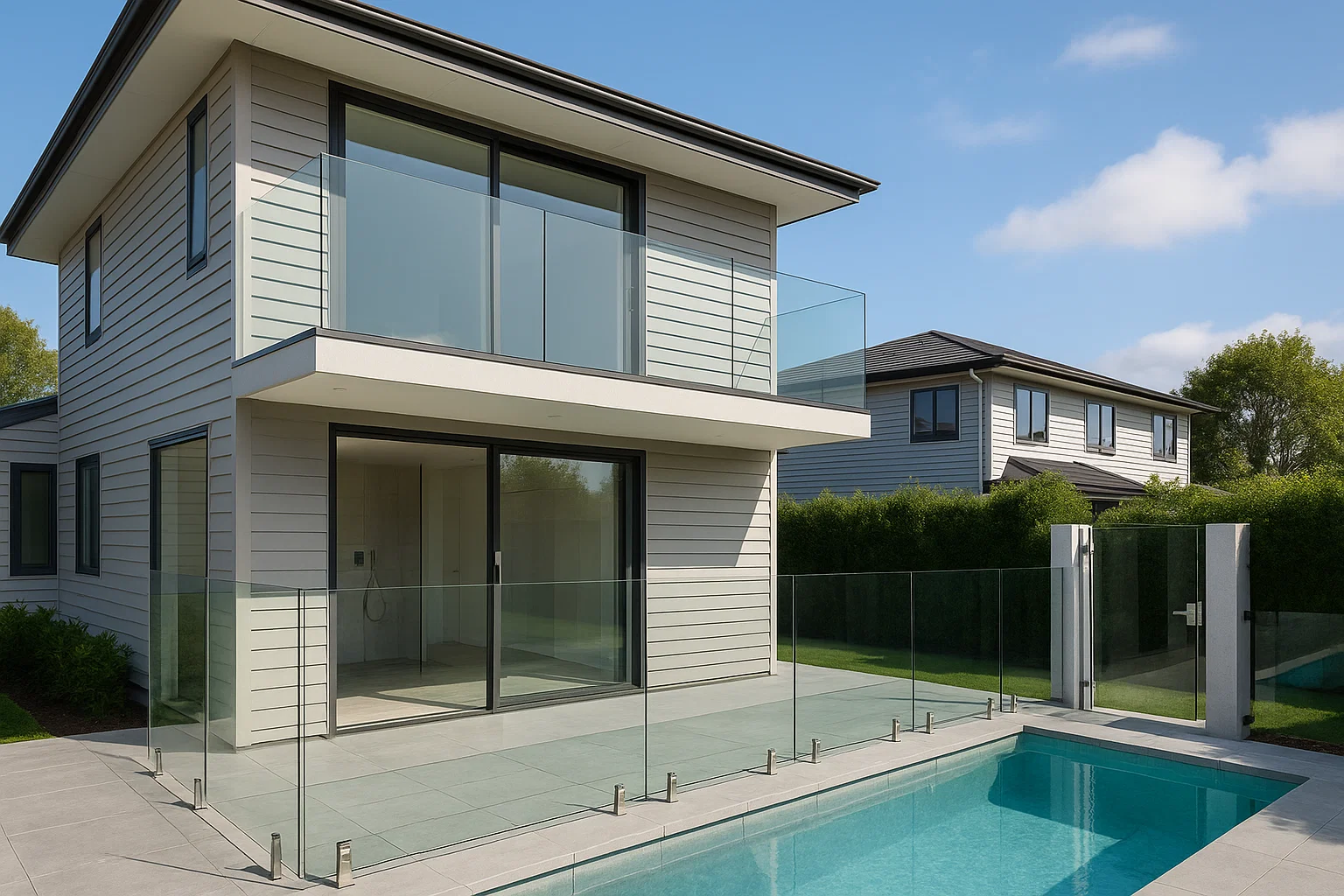
For contemporary pool fencing in Tauranga, made of the highest quality glass, contact Grand Glass. Every New Zealand home can benefit from glass fencing around their pool – not only is this material attractive and more durable than you might think, but glass fencing is extremely difficult to mount or climb over, protecting any children or pets in the home. For more information on Grand Glass’ pool fencing in Tauranga, contact us at your earliest convenience. 


Read more

Budgeting for Style How Much Do Glass Balustrades Cost in NZ?

Budgeting for Style How Much Do Glass Balustrades Cost in NZ?

13/Nov/2024

On a budget but want a stylish fencing or railing system? Don’t overlook glass balustrades!

While it is easy to assume that a glass balustrade is expensive—and there are certainly costly glass balustrades on the market—this is not always the case. Here at Grand Glass, you can easily find affordable glass balustrades and even custom-made glass balustrades.

In fact, in this blog, we will explore how much glass balustrades cost in NZ and the factors that might influence the price.

Let’s get to it.

Factors that Influence Glass Balustrade Cost

While there are many factors that can influence the cost of glass balustrades, here are several to take note of:

  • Dimensions – the size of the required balustrade panels will directly affect the price; you can expect the larger the size (and the thicker the glass), the more expensive the panel will be.
  • Extras – any extras that you opt for, such as decorative covers and/or coating, will influence the price of your glass balustrades; the more extras, the more you will end up paying.
  • Installation – if you choose to have professionals install your glass balustrade for you (which we recommend!), then this will also add to the overall cost of your glass balustrades; it’s important to note that this is often a good return on investment as professional installation is more reliable than DIY.
  • Location – glass balustrades installed on a flat surface are more likely to cost less compared to ones that will need to be installed on stairs.

Where to Find Affordable Glass Balustrades

If you are looking for cost-effective glass balustrades, look no further than Grand Glass and our wide selection of glass balustrades! No matter if you are looking for a glass balustrade for your decking or balcony, you are bound to find affordable glass balustrades—that are also DIY-friendly (if needed) and without compromising quality and durability.

Interested in installing a glass balustrade for your NZ home? From patios to balconies, glass balustrades can add a modern touch to your home—and they don’t have to cause a dent in your budget. With our affordable glass balustrades in Christchurch, easily elevate the look and feel of your home. Contact us today for more information or for any further enquiries. We can also provide a free, no-obligation quote! 


Read more

Top Reasons to Install Sliding Shower Doors in Your Home

Top Reasons to Install Sliding Shower Doors in Your Home

08/Oct/2024

Modernise your bathroom with contemporary shower doors—and if you are wondering, “How?”, have you considered glass sliding shower doors?

Still undecided? Don’t worry, you have come to the right place. Grand Glass can help you decide—keep reading to find out why sliding shower doors might be the best choice for your home.

So, what are the top reasons to install sliding glass shower doors for your NZ home?

Accessibility

Sliding shower doors are the easiest to use as you only have to slide the door left or right to open and/or close the shower. Sliding shower doors offer ease of accessibility and use that make them ideal for a wide range of people, from children to individuals with poor mobility.

Low Maintenance

Glass sliding shower doors are actually very easy to clean—there is no need to wash and replace shower curtains; all you have to do is wipe down your glass shower doors with a glass cleaner, and they are good to go! For the most part, there is no scrubbing involved, and glass shower doors are unlikely to stain from soap, grime, or hard water.

Stylish

Sliding glass shower doors are understated—they can revitalise the look and feel of the bathroom, adding a contemporary touch that can make your bathroom more stylish and sleek in an instant. Thanks to their timeless design, they can suit and complement any existing bathroom theme or aesthetic.

Space-Saving

Compared to hinged shower doors, sliding shower doors save space, allowing you to place a cabinet or other into the space that would otherwise have been used for the shower door swinging open. Or you can keep the space empty—either way, you have more space! As a result, sliding shower doors are ideal for smaller bathrooms where space is limited, making your bathroom look and feel bigger than it actually is.

Now that you know the top reasons for installing sliding glass shower doors for your NZ home, why not make the investment yourself? Here at Grand Glass, we supply a wide range of glass shower doors, including sliding shower doors. Take advantage of the many benefits of sliding shower doors listed above! Get a free, no-obligation quote by giving us a call on (09) 4789778 / 027 7557705 or emailing us at sales@grandglass.co.nz


Read more

3 Benefits of Sliding Glass Shower Doors for Your Bathroom

3 Benefits of Sliding Glass Shower Doors for Your Bathroom

04/Sep/2024

Why Kiwis Choose Glass Pool Fencing | Grand Glass

Why Kiwis Choose Glass Pool Fencing

Whether you're upgrading your backyard or building a new home, installing a pool fence is about more than just ticking off regulations — it's about comfort, lifestyle, and safety. Here’s why so many homeowners across New Zealand are choosing glass pool fencing for their outdoor spaces.

1. Clean, Modern Aesthetic

Glass pool fencing provides a sleek and elegant look that complements any style of home — from contemporary villas to classic family houses. Unlike timber or metal fencing, glass allows uninterrupted views of your pool area and beyond. This makes your backyard feel more open, airy, and premium.

2. Uncompromised Safety

All our glass pool fences are made from 12mm toughened safety glass, manufactured to meet New Zealand building standards. With no footholds for climbing, and fitted with self-closing, self-latching gates, these systems offer total peace of mind — especially for families with children or pets.

3. Zero Compromise on Space

Frameless or semi-framed glass fencing doesn’t create visual bulk, making even small pool areas feel more spacious. And since there are no wide posts or opaque panels blocking light, your pool becomes the feature, not the fence.

4. Durable & Coastal-Ready

All hardware used with our fencing systems — from spigots to latches — is made from marine-grade stainless steel, built to withstand NZ’s coastal weather. No warping, rusting, or fading. Just reliable performance year after year.

5. Easy to Clean & Maintain

Glass fencing doesn’t need repainting or oiling. A quick wipe-down with mild cleaner and a cloth is all it takes to keep it looking sharp. For added protection, water-repellent coatings are available to resist spots and scum buildup.

6. Full Range of Configurations

Whether you prefer frameless panels for a luxury look or semi-framed options for added structure, we’ve got it all. Choose from:

• Frameless glass panels
• Semi-framed aluminium systems
• Glass gates with magnetic latching
• Spigots, channels, and fixings in various finishes

7. Trusted NZ Supplier

Grand Glass is trusted by homeowners, builders, and landscapers throughout Auckland, Wellington, Christchurch, and beyond. We manufacture and supply direct, with fast shipping NZ-wide and local pickup available from our Auckland base.

Looking for quality glass pool fencing that’s built to last? Explore our full range here or get in touch for a free quote. We’re here to help!


Read more

Where Can Glass Balustrades Be Installed?

Where Can Glass Balustrades Be Installed?

06/Aug/2024

Glass balustrades in NZ tend to have a distinctive look – that is, modern, elegant and light. However, this doesn’t mean they’re limited in where they can be installed! Indoors or outdoors, contemporary and traditional – no location or design limits just how safe and functional glass balustrades can be.

Nevertheless, if you’re curious as to where glass balustrades may look their best, the experts at Grand Glass shed some light, below.

1. Staircases

As one of the most common examples of a glass balustrade installation, staircases are the primary architectural feature where glass balustrades really shine. Not only is glass surprisingly durable, but when installed as part of a staircase, it allows light and air to flow through a home or commercial property! Your property will surely feel more open, bright, airy and sleek. For commercial sites, glass balustrades also enable customers to freely appreciate the products and services stocked there – their entire view of the store is unobstructed, whatever floor they’re at.

2. Balconies

For balconies that open out onto beautiful and sprawling views of New Zealand, glass balustrades preserve the beauty of the scenery outdoors by also leaving it wholly unobstructed, without compromising on your safety and security. For this reason, most New Zealanders often see glass balustrade installations at deluxe high-rise apartments, hotels, and holiday homes.

3. Swimming Pools

Although swimming pools tend to be built without a barrier or fence for their ease of use, glass balustrades can – and, we would argue, should – be installed. This is because they create a secure perimeter that prevents children or small animals from falling into the water unnoticed, and thus becoming seriously hurt. Even when serving this important purpose, glass balustrades do not compromise on the desirable clean appearance of a swimming pool; they mesh form and function together seamlessly!

4. Mezzanines

Mezzanines can be bordered with glass balustrades to ensure the safety of everyone using this intermediate space.

Because mezzanines are an additional floor often situated above a ground-floor space, they tend to have a steep overhang; this reinforces glass balustrades as a must-have for safety and protection. However, they also allow light to pass into the mezzanine, preventing such a useful space from becoming too shadowy and dark. As a result, the usability of your mezzanine is increased!

5. Commercial Spaces

From shopping malls and atriums to office buildings and meeting rooms, glass balustrades are multi-purpose, fitting seamlessly into most commercial spaces across New Zealand. Glass balustrades are designed to be visually unobtrusive, so most people may never pay attention to them – apart from recognising the fact that they prevent you from falling! – but their contemporary appearance subtly elevates these corporate environments, regardless.
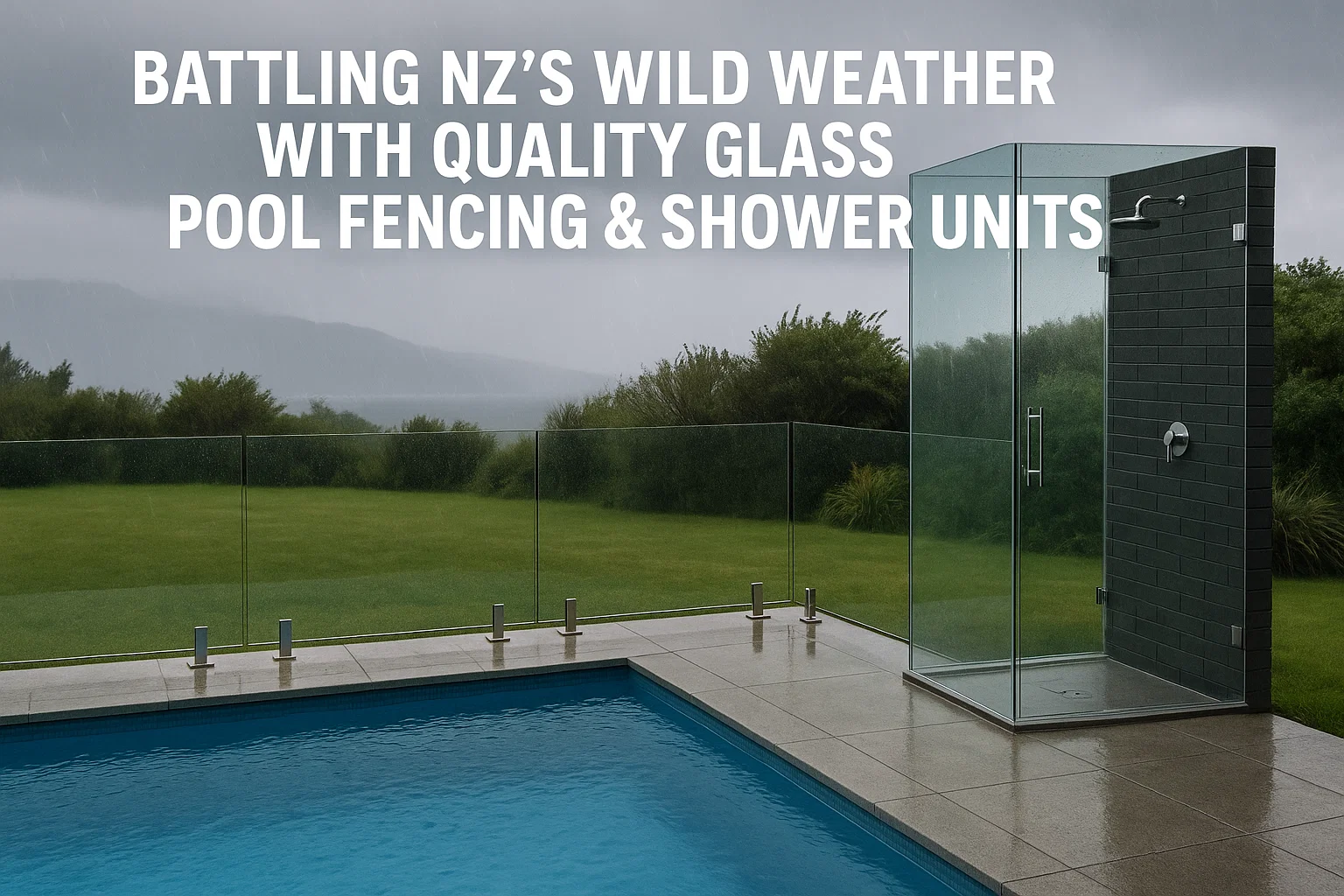
For glass balustrades in NZ made with the utmost care, quality material and craftsmanship, contact Grand Glass at your earliest convenience. The products that we sell are made to last for a lifetime. And, rest assured, they’re as aesthetically beautiful as they are functional.


Read more

What Are The Rules for Deck Balustrades In New Zealand?

What Are The Rules for Deck Balustrades In New Zealand?

10/Jul/2024

By assembling a deck in your garden, you can create a flat wooden surface where you can host BBQs and dinner parties, to entertain your guests. A garden deck is also elevated above the ground and so can afford you stunning panoramic views of the outdoors.

You will need a balustrade for the deck if it has a drop of more than a metre. This is just one of several deck balustrade regulations in the NZ Building Code (NZBC)…

A Closer Look at the New Zealand Building Code

The NZBC specifies that “a barrier is needed when someone could fall one metre or more”. Also, a deck balustrade must be “positioned between 900 and 1000mm above the pitch line” as per the NZBC.

Balustrades can come in many different forms. Many homeowners have chosen timber balustrades due to their charmingly traditional look, but they can also require regular painting. Metal-framed balustrades can be easier to maintain but can come across as inelegant.

So, you can strike a happy medium with the deck balustrades we offer in frameless glass. Often, dirt that does end up on this glass can just be wiped away with a cloth and cleaning solution.

Heed These Updates to Glass Balustrade Regulations

In 2016, New Zealand introduced new rules for frameless glass balustrades, requiring those with standard 12mm toughened glass to have a continuous top rail. This rail, in turn, has to be securely fixed to some form of support — e.g. a wall or post — at each end of the balustrade.

When we send you a frameless glass balustrade, it will come with a ‘PS1’ producer statement confirming that the structure complies with the Building Code.

We only install balustrades in the Auckland region. However, if you are based elsewhere in the country, we can give you instructions on how to not only install your balustrades but also subsequently issue a ‘PS3’ document verifying that this installation work, too, is in line with the NZBC.

If you have any remaining questions about our products or deck balustrade regulations in NZ, you can chat with us over the phone on (09) 4789778 or 027 7557705.


Read more

Should I Repair Or Just Replace My Shower Door?

Should I Repair Or Just Replace My Shower Door?

07/May/2024

Picture the scenario; you’ve just got out of the shower and the door has flown off its axis at the gentlest of pulls or pushes. Your first thought will inevitably be to panic at the thought of another expense, but it’s not the end of the world. It’s not ideal, but you can either repair or replace the door with relative ease.

What should I do?

More people than ever are choosing glass shower doors due to their aesthetic quality, as well as their ease in maintaining cleanliness. But they come with the potential to break, whether it’s a loose hinge or even breakage in extreme cases. Generally speaking, a high quality shower door will last a good few years, though there is always the possibility of an accident at any point in its life cycle.

Whether you repair or renew depends ultimately on the extent of the damage in question. If the glass is repairable, then chances are you’ll have no issues repairing the offending shower door. The vast majority of the time, glass is repairable - it turns out the glass isn’t always cleaner on the other side!

Ultimately, repairing is often the best option in terms of saving both time and money, as well as avoiding any delays to your morning routine - after all, you’ll ideally want to shower every day. Not to mention the expense - what if the new glass door breaks just as easily having been used as the replacement glass shower door?

There may of course be times when shower door glass replacement is necessary, in which case you need to ensure it is the best option. If the door is beyond repair, then replacement is the best bet going forward. But ultimately, if you look after your shower doors, they will look after you.

Whichever direction you decide to go in, there are countless options and experts you can speak to at Grand Glass, from repairs to new installations. Experts can help you decide what’s best at a budget that suits you. To get more information on glass shower doors, get in touch with us today.


Read more

How Thick Should My Frameless Shower Glass Be?

How Thick Should My Frameless Shower Glass Be?

01/May/2024

If you are building or renovating a home, there are good reasons for you to consider installing a shower instead of a bath. A shower would be more hygienic and easier to maintain, not to mention likely better for the environment, as showers tend to use less water than baths.

Though the glass panels of many showers are held in place with structural frames if you fear that this would look inelegant, rest assured that we can deliver frameless glass showers to NZ addresses nationwide. Still, if you go frameless, what thickness of glass should you select?

What Glass Thicknesses Can You Pick From?

In New Zealand, the available thicknesses for shower glass can range from 4mm to 12mm. Most often, though, the options you are likely to see are 6mm, 8mm and 10mm. (When we say ‘thickness’, we mean the depth of the glass when the sheet is seen from the side.)

Nonetheless, when ordering a frameless shower, there’s a limit to how thin you can go with the glass — as the thinner this glass, the more fragile it can be as well.

A shower frame can make up for this problem by helping to strengthen the overall structure. Conversely, you wouldn’t get this particular benefit were you to purchase a frameless shower.

Should You Choose the Thinnest Possible Glass?

For a frameless shower, the thinnest glass you should consider is 10mm, as this will provide the overall shower enclosure with sufficient stability. However, you might be tempted to go even thicker to further increase the sturdiness of the glass. Would this be a wise course of action?

The answer very much depends on your preferences, as the greater thickness could indeed enhance your peace of mind. Remember, though, that thicker glass can also be heavier and in turn threaten the shower’s stability by adding too much weight.
Given that thicker glass can be more expensive, too, you might want to strike a happy balance by going for the 10mm option. We can dispatch all of the necessary components for frameless glass showers to NZ homes; for a closer look at what we offer, please explore our website. 


Read more

Pool Fencing Rules: What Are The Fencing Requirements?

Pool Fencing Rules: What Are The Fencing Requirements?

10/Apr/2024

For parents the world over, safety is of paramount importance. Nowhere is this more evident than around the home and garden, especially when it comes to pool regulations. If you happen to be planning for a pool, you may have some questions. What are the fencing requirements? How deep can a pool be without a fence? How high do pool fences need to be? In this blog, we’ll look to answer those questions.

How to abide by the regulations

The first thing to do would be to search for the particular regulations that impact your region, as they may differ from region to region as far as New Zealand law is concerned. As a general rule, the fence should be a minimum of 1.2 metres high, with clearance beneath not exceeding 100mm, nor the width of the bars exceeding the same length.
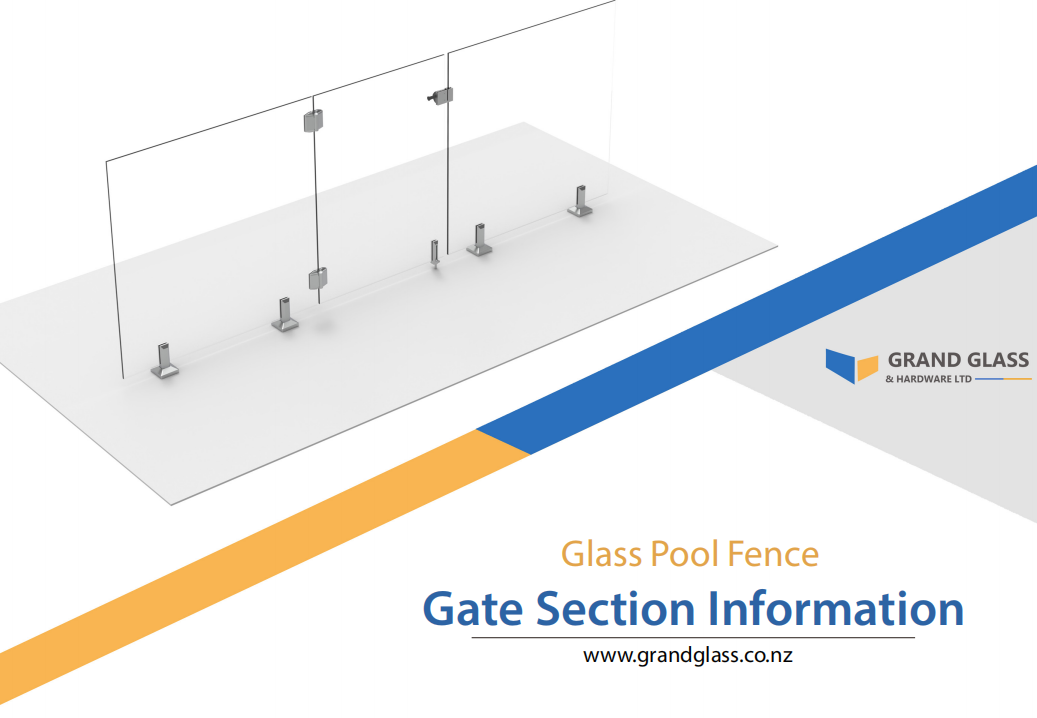
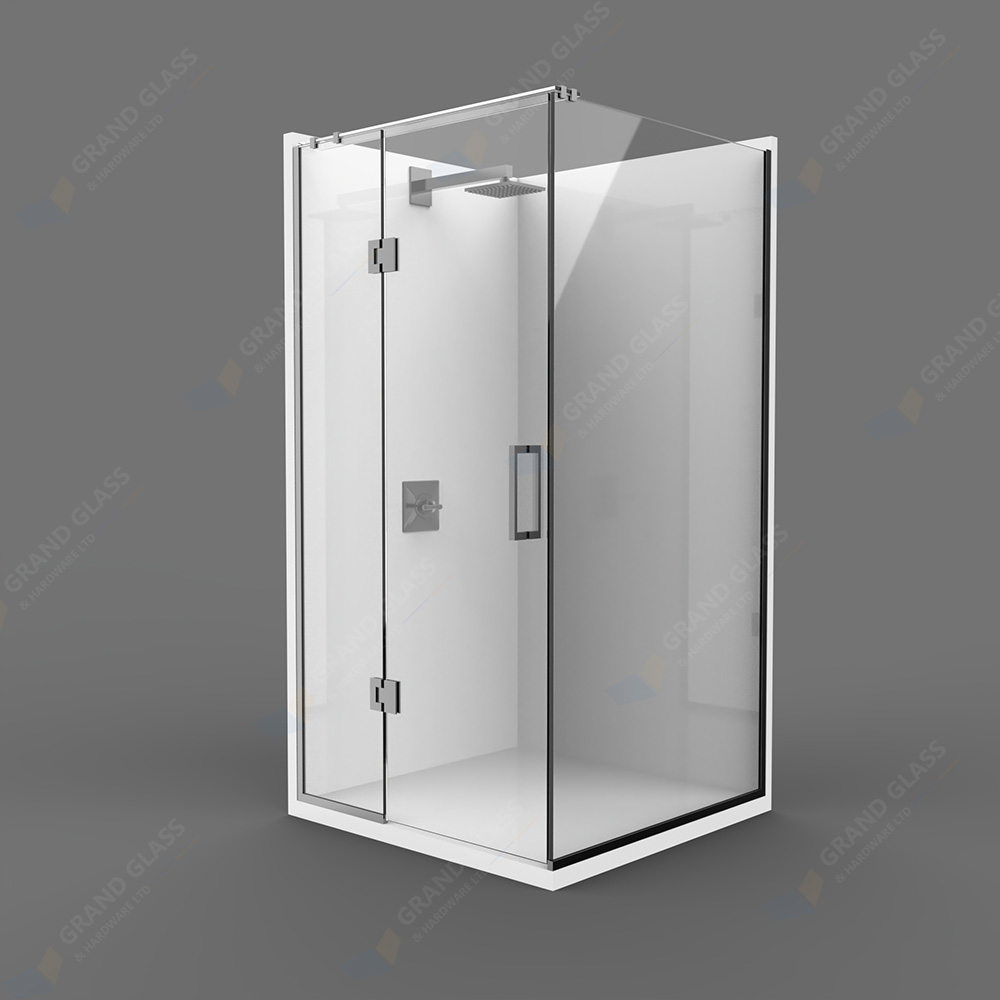
You also need to consider the gate regulations - first and foremost, they must open toward the person rather than the pool. They must be unobstructed and fitted with a device that automatically closes and latches the gate.

One other important consideration is that there must not be anything climbable within 1.2m from the fence - this could include trees, bushes, other fences, or anything that allows children the opportunity to breach the fence without adult supervision. Ultimately, countless factors need to be taken into consideration, but when it boils down to it, child safety should always be of the utmost importance.

With regard to options, you could go for glass panel fencing, which is a particularly popular choice in terms of its aesthetic and its practical purpose - safety. After all, why not consider appearance when making this decision? Mesh pool fencing is a cheaper and more versatile option, which won’t break the bank either.

Whichever direction you decide to go in, there are countless options and experts you can speak to at Grand Glass, whatever kind of fencing you are looking for. Experts can help you decide what’s best at a budget that suits you. Get in touch today to find out more about pool fencing.


Read more